
TORONTO — Canadian officials announced Wednesday they will provide $8 million Canadian dollars (approximately $6.7 million USD) in humanitarian food assistance to Cuba, as the Caribbean nation grapples with a deepening fuel shortage that has disrupted oil deliveries due to U.S. economic pressure.
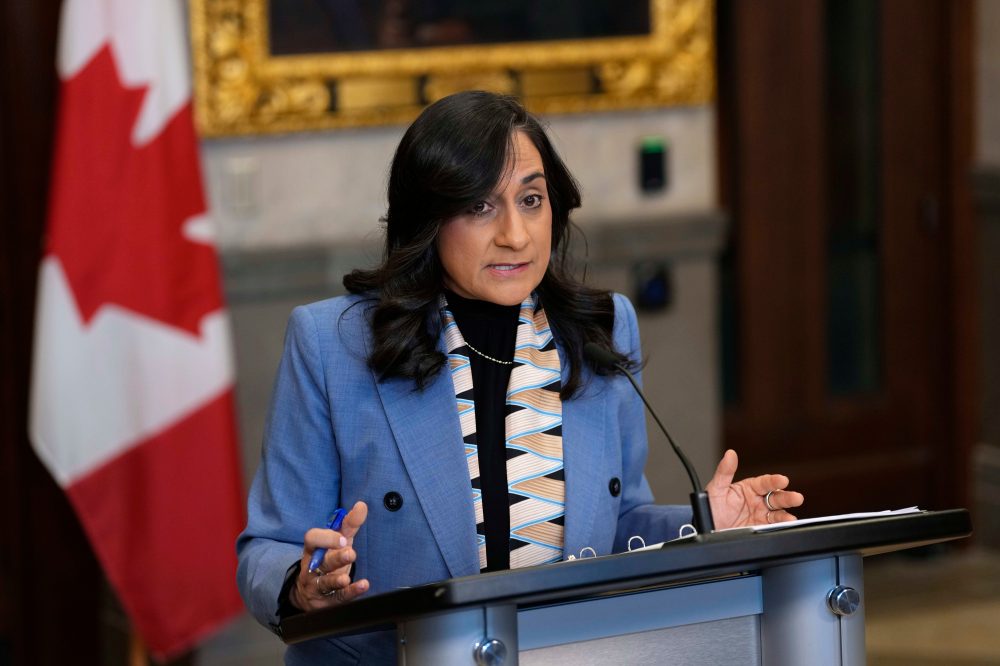
Canadian Foreign Affairs Minister Anita Anand stated she has not coordinated this aid decision with U.S. Secretary of State Marco Rubio or other American officials.
“This is Canadian foreign policy,” Anand explained. “We are focused on the humanitarian situation.”
The assistance will be distributed through United Nations organizations rather than directly to Cuban government officials.
For over a year, Global Affairs Canada has issued travel advisories warning of “shortages of basic necessities, including food, medicine and fuel” throughout most of Cuba.
The island nation is experiencing a worsening energy emergency that has intensified in recent weeks after oil deliveries from Venezuela, Cuba’s primary petroleum supplier, stopped when the U.S. took action against the South American nation in early January and detained its former leader. Mexico, another key oil provider, subsequently halted its shipments under American pressure.
Aviation fuel shortages on the island have forced Air Canada and other carriers to cancel flights to the Caribbean destination.
Cuban tourism depends heavily on Canadian visitors, and Canada ranks as the island’s second-largest source of foreign investment, especially in mining and tourism industries, according to Global Affairs Canada.
Mexico has dispatched a second round of humanitarian supplies to Cuba. Two Mexican naval ships carrying 1,193 tons of aid left the port of Veracruz on Tuesday and are scheduled to reach Cuba on Saturday, the Mexican Foreign Ministry reported.
The vessel Papaloapan is transporting 1,078 tons of beans and milk powder, while the Huasteco carries 92 tons of beans and 23 tons of additional food supplies. The remaining 23 tons of humanitarian goods were donated by various social groups with assistance from Mexico City’s government, according to ministry officials.
In February, Mexico delivered over 814 tons of food and hygiene items to Cuba while diplomatic discussions continued about restarting oil deliveries. These petroleum shipments ceased in mid-January, shortly before President Donald Trump announced a substantial strengthening of the economic embargo against Havana.
Cuba’s economic difficulties, ongoing since 2020, have been worsened by increased U.S. sanctions designed to pressure changes in the island’s government system. These restrictions have created critical supply shortages and widespread power outages that reached their worst point in early 2026.
Since Cuba only produces 40% of its fuel needs domestically, the nation remains extremely susceptible to external supply disruptions. Although strong allies including Russia and China have criticized the U.S. actions, their assistance has been mostly symbolic so far.