
TORONTO — Canadian officials revealed Monday they are developing assistance measures for Cuba as the Caribbean nation grapples with widespread power outages and critical fuel shortages intensified by U.S. oil sanctions.
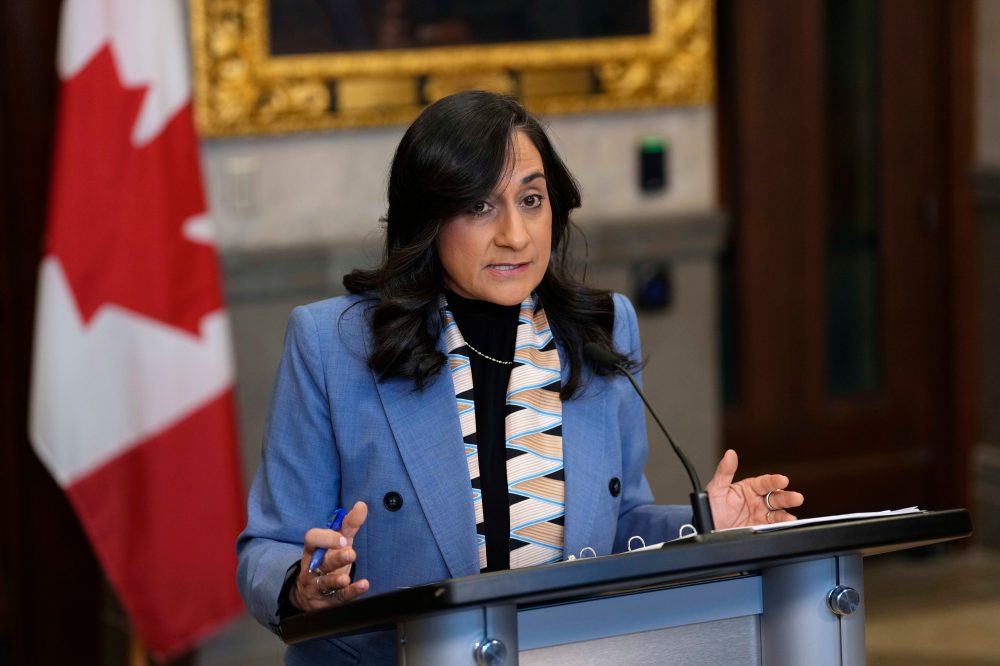
Foreign Minister Anita Anand refused to elaborate on specific details regarding the assistance package.
“We are preparing a plan to assist. We are not prepared at this point to provide any details of the announcement,” Anand stated.
The Caribbean island confronts a worsening energy emergency that has escalated in recent weeks following the suspension of oil deliveries from Venezuela, Cuba’s primary petroleum supplier, after U.S. actions against the South American nation in early January resulted in the arrest of its leader. Mexico, another key supplier, subsequently halted oil shipments following U.S. pressure.
Air Canada along with other carriers have suspended service to the Caribbean nation due to aviation fuel shortages on the island.
Tourism from Canada plays a crucial role in Cuba’s economic stability. Global Affairs Canada, a government department, reports that Canada ranks as Cuba’s second-largest source of direct investment, especially in mining and tourism industries.
Canada will be joining Mexico in offering assistance.
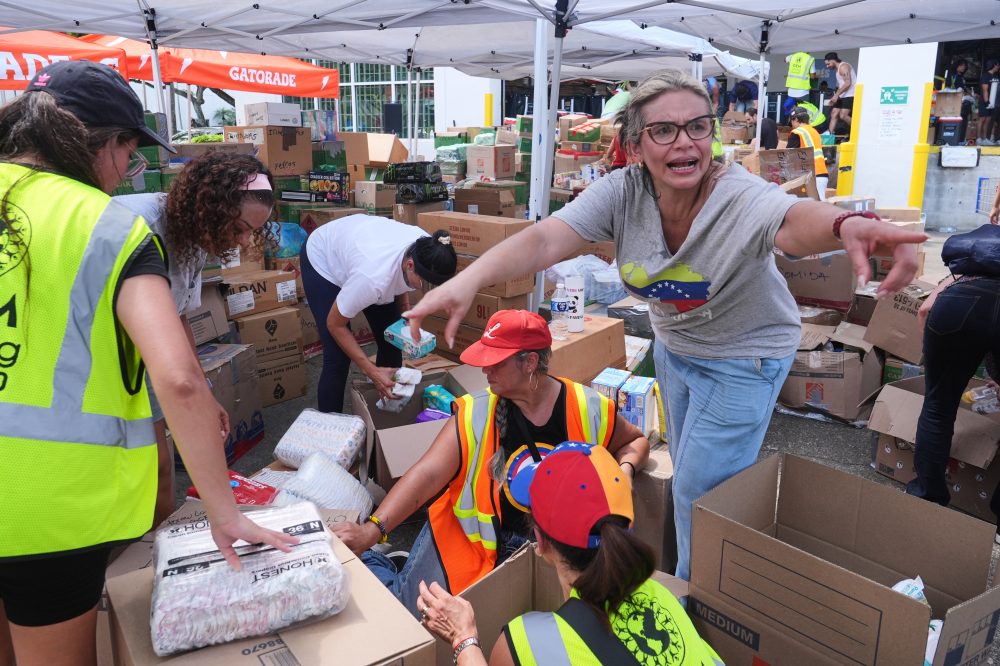
Earlier this month, two Mexican naval vessels carrying humanitarian supplies arrived in Cuba, occurring two weeks after U.S. President Donald Trump warned of imposing tariffs on nations selling oil to the island, further worsening an already critical economic and energy situation in the Caribbean country. The vessels delivered approximately 800 tons of supplies, plus an additional 1,500 tons of powdered milk and beans.
Cuba’s economic troubles that began in 2020 have been worsened by heightened U.S. sanctions designed to pressure changes in the island’s political system. These measures have created critical supply shortages and devastating blackouts that reached their worst point in early 2026.
Since Cuba only generates 40% of its needed fuel domestically, the nation remains extremely susceptible to external blockades. Although strong allies including Russia and China have criticized the U.S. actions, their assistance has been mostly symbolic to date.