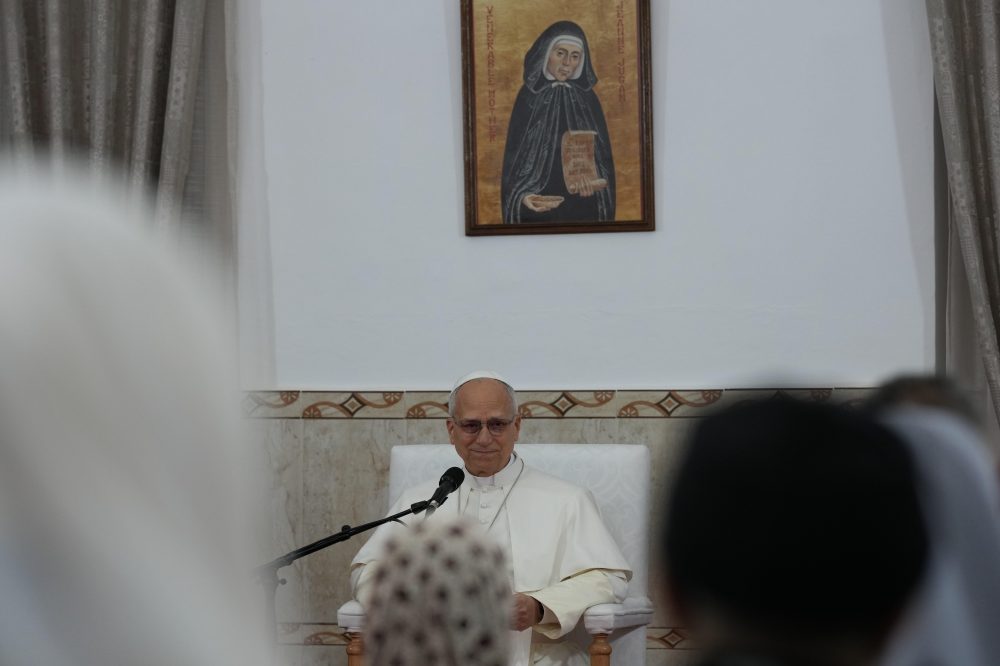

Armed rebels in Cameroon have declared a temporary ceasefire to coincide with Pope Leo XIV’s scheduled visit to the Central African nation this Wednesday.
The Unity Alliance, representing multiple English-speaking separatist organizations, issued a Monday evening statement announcing the three-day halt in hostilities to ensure “safe travel” during the papal visit. The group cited the “profound spiritual importance” of the pope’s arrival as justification for allowing civilians, religious pilgrims, and officials to move without threat.
Government spokesman René Sadi stated last week that “all necessary arrangements have been made” to guarantee a successful papal visit, though Cameroonian officials have not yet responded to requests for comment regarding the ceasefire announcement.
The western regions of Cameroon have experienced ongoing violence since English-speaking rebels began their uprising in 2017, seeking to establish an independent nation separate from the French-speaking majority. According to International Crisis Group data, this armed conflict has resulted in over 6,000 deaths and forced more than 600,000 people from their homes.
Pope Leo, currently conducting a four-nation African tour that began in Algeria, will touch down in Yaoundé, Cameroon’s capital city.
The pontiff plans to conduct a “peace meeting” Thursday in Bamenda, which serves as the central battleground between rebel forces and government troops.
Unity Alliance spokesman Lucas Asu stated the fighting suspension “reflects a deliberate commitment to responsibility, restraint, and respect for human dignity, even in the context of ongoing conflict.”
Asu emphasized that the papal visit should maintain its “spiritual” character without appearing to support any particular political faction.
While separatist violence has diminished somewhat in recent years, no resolution appears imminent. International mediation efforts have reached an impasse, with each side claiming the other negotiates dishonestly.
The roots of this conflict trace back to Cameroon’s colonial past, when France and Britain divided the territory following World War I. The English-speaking areas voted in 1961 to unite with French Cameroon through a U.N.-supervised referendum, but separatists maintain they have faced systematic political and economic discrimination ever since.