
Recovery operations for skiers who perished in the most fatal U.S. avalanche in nearly five decades continues to face delays due to what rescue specialists describe as a fundamental principle: never become a casualty yourself.
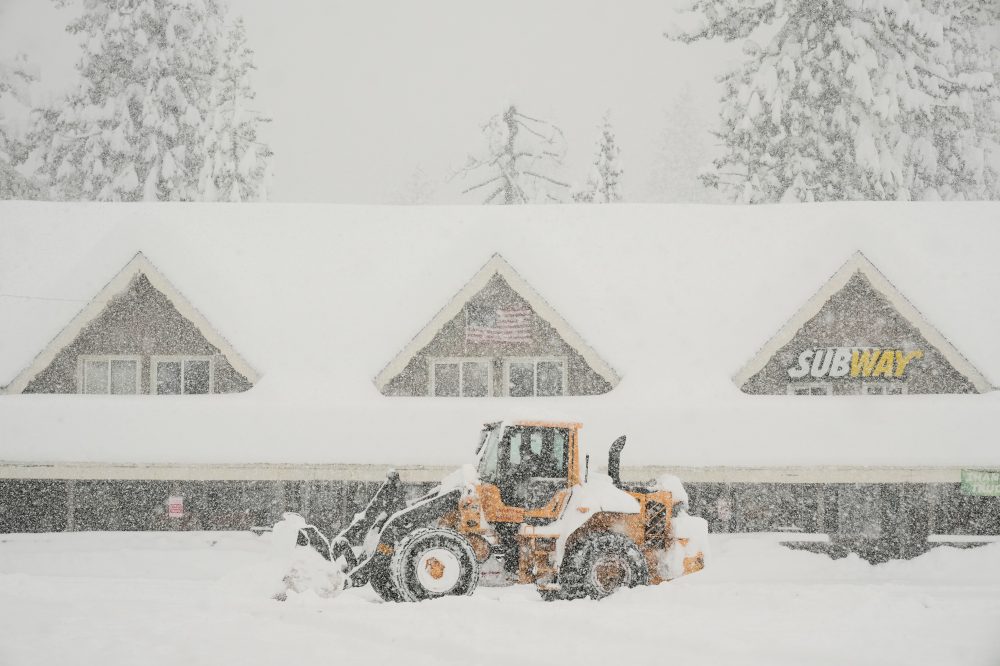
Ongoing storms continued to batter California’s isolated Sierra Nevada mountains on Thursday, creating conditions for additional avalanches in the wilderness area where officials confirmed eight fatalities and one person remains unaccounted for following Tuesday’s tragic incident. Six individuals from the group managed to survive.
Search teams confronted identical dangers that claimed the lives of the backcountry enthusiasts and expert guides, who were participating in an activity with natural hazards made worse by multiple feet of fresh snowfall. Recovery operations were scheduled to continue on Friday.
Winter backcountry enthusiasts, including skiers, snowboarders, snowmobilers and climbers, depend on avalanche predictions to assess potential dangers. However, conditions can change rapidly due to unpredictable mountain weather patterns.
To enhance forecasting information or when predictions aren’t available, seasoned skiers and guides will create snow pits to evaluate stability. They may also seek safer terrain, including gentler slopes or areas protected from known avalanche paths.
While snow accumulated from this week’s storm system affecting the Sierra Mountains, the 15-person skiing party caught in Tuesday’s slide was completing their final day of an extended backcountry expedition and traveling toward the exit point.
“It was, quite likely, very necessary for them to leave the backcountry so their hazard wasn’t increased further,” said Anthony Pavlantos of Utah-based Prival USA, who makes avalanche safety equipment and runs mountain safety programs.
“What’s really hard to say is like ‘why were they moving?’ You can’t ever start placing blame on events like this because we can all be there.”
It’s common for people to enter backcountry areas for skiing or snowboarding during periods of elevated risk: Dangerous weather systems also bring abundant fresh powder that many winter sports enthusiasts seek.
Since fatal incidents occur infrequently, those who take risks usually emerge unharmed, according to Dale Atkins, who has participated in mountain rescues and avalanche prediction and study in Colorado for fifty years.
“It’s not about not going; it’s about where and when you go,” Atkins said.
However, Atkins noted that emerging from backcountry adventures without injury can lead to overconfidence in an activity where chance – or insufficient luck – also influences outcomes.
“It’s really easy to be fooled by the snow and avalanches,” he said. “We keep going out even in the worst of storms because that’s what we did last time, and then our luck runs out.”
Generally, the greatest opportunity for avalanche burial survival involves self-rescue or assistance from fellow travelers. This is because slides frequently happen in isolated locations.
Rescue personnel required six hours to reach Tuesday’s avalanche victims after receiving the initial emergency call. In contrast, survival probability for someone buried for one hour drops to approximately 10 percent, Atkins explained.
The California survivors discovered three victims while waiting for professional rescue teams. Officials have not provided comprehensive details about locating the remaining casualties.
Debris from significant avalanches like California’s fatal slide spreads across vast areas, complicating efforts to determine where someone might end up if caught and pulled underground.
Initial search efforts focus on identifying clues like gloves or ski equipment that might indicate a victim’s position, explained Anthony Stevens, chief adviser for Teton County, Wyoming’s search and rescue unit, which serves Grand Teton National Park.
Guided skiing groups typically carry transceivers, called avalanche beacons, which transmit signals indicating their locations. These devices can also detect other signals, showing direction and estimated distance to victims.
When electronic methods fail, rescue teams form lines and use extended, thin poles to probe snow hoping to locate buried individuals, said Ethan Greene, director of the Colorado Avalanche Information Center.
Speed remains critical throughout rescue operations, and discovered victims must be excavated quickly. Average burial depth measures approximately one meter, or slightly more than three feet, Atkins stated. Because avalanche snow and ice become heavily compressed, extracting someone from that depth requires moving at least one ton of material, he added.
Long-term burial survival remains extremely rare. Atkins recalled two individuals who survived 22 and 24-hour burials respectively after a 1990s Washington state avalanche. A third group member did not survive.
“It’s very unusual for a rescue team to find a buried person alive. But it happens, and that gives us hope,” he said.