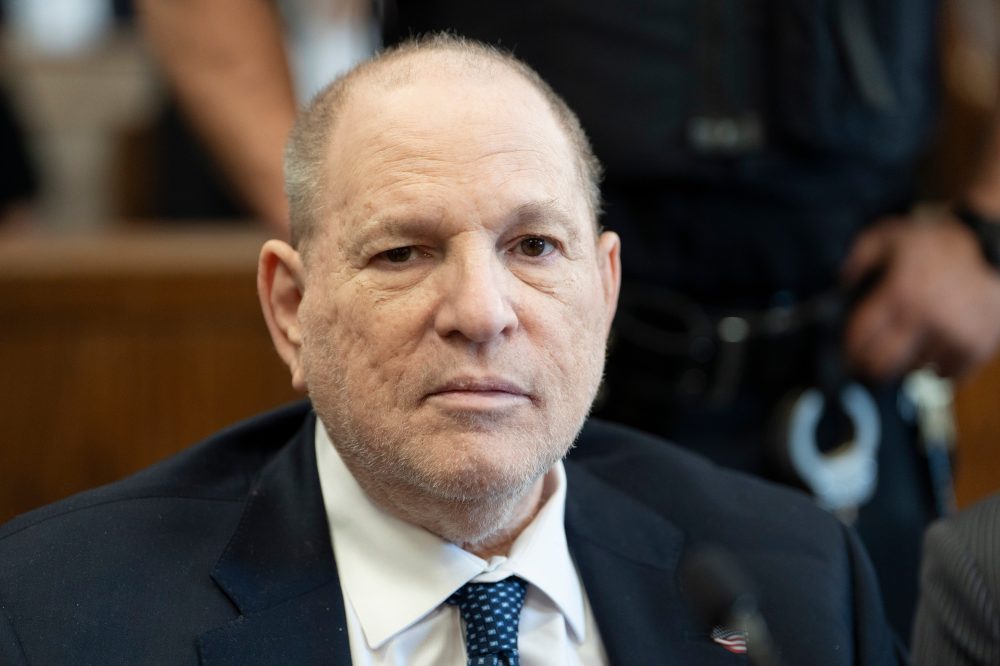

LOS ANGELES — A California appeals court on Friday let stand Harvey Weinstein’s 2022 rape and sexual assault conviction, though it directed the trial judge to issue a new sentence in the case.
The ruling was handed down unanimously by a three-judge panel from California’s 2nd District Court of Appeal.
A spokesperson for Weinstein, Juda Engelmayer, responded to the ruling via email, stating: “We are disappointed by today’s decision and respectfully disagree with the Court of Appeal’s conclusions regarding the fairness of Mr. Weinstein’s trial. At the same time, the court correctly recognized that his sentence cannot stand.”
The California decision arrived just one day after New York prosecutors announced they would not pursue a fourth trial against Weinstein in that state. The #MeToo-era New York case was dropped Thursday after the accuser stated she could not endure testifying once more.
Weinstein, the former Hollywood film producer, still has a separate sexual felony conviction in New York and continues to be held behind bars. However, the New York rape charge had remained unresolved following an overturned conviction and two trials that ended with hung juries.
In California, the 74-year-old was found guilty in December 2022 on one count of rape and two counts of sexual assault against an Italian model and actor who was referred to during trial proceedings as Jane Doe 1. He received a 16-year prison sentence following that conviction.
Weinstein’s legal team had argued on appeal that Superior Court Judge Lisa B. Lench unfairly restricted testimony from the head of a film festival during the Los Angeles County trial, and they had sought a completely new trial rather than just resentencing.
Meanwhile, in New York, Weinstein is awaiting a September sentencing on his standing assault conviction, which involves a different woman. Prosecutors there are seeking a 20-year prison term. His California sentence would only begin after his New York sentence is served.
Following the Los Angeles trial, Jane Doe 1 publicly revealed her identity as Evgeniya Chernyshova when she filed a civil lawsuit against Weinstein.
Chernyshova testified that Weinstein showed up uninvited at her hotel room during the 2013 LA Italia Film Festival and assaulted her.
The defense had argued that the trial judge wrongly blocked Weinstein’s attorneys from questioning Chernyshova about Facebook messages between her and festival director Pascal Vicedomini, which they claimed would have demonstrated the two had a romantic relationship.
The Associated Press has a standard practice of not identifying individuals who allege sexual abuse unless they choose to go public, as Chernyshova did. Her attorney also confirmed she gave her consent to be named.