
US Stocks Rise, Trimming June Losses
American stock markets closed higher on Tuesday, helping to soften what had been a difficult June. The S&P 500 climbed 0.8%, though it still ended the month in negative territory — its first losing month after two strong ones. The Dow Jones Industrial Average edged up 0.3% to reach another record high, while the Nasdaq composite surged 1.5%. Stocks tied to artificial intelligence performed particularly well after experiencing sharp volatility earlier in the month amid concerns about overvaluation. Treasury yields moved higher in the bond market, and oil prices dipped. Markets across much of Europe and Asia also advanced, though the Japanese yen slipped to near a 40-year low against the U.S. dollar.
Supreme Court Allows Fed Governor Cook to Stay, But Expands Presidential Firing Power
The U.S. Supreme Court ruled that Federal Reserve Governor Lisa Cook may keep her position for now, dealing a setback to President Donald Trump’s effort to gain control over the nation’s central bank. At the same time, the justices significantly broadened presidential authority on Monday by upholding Trump’s removal of leaders at other independent federal agencies. Trump described the decision as a “Historic and Unprecedented Ruling.” However, the court turned down Trump’s request to immediately remove Cook from her post based on allegations of mortgage fraud — claims she denies. Cook said the dispute was really about her refusal to let politics influence interest rate decisions. She was originally appointed by then-President Joe Biden, a Democrat.
What the Ruling Means for the Fed’s Independence
In a 5-4 decision, the Supreme Court declared on Monday that the Federal Reserve holds a unique level of independence from the White House and everyday political pressures — though the court stopped short of spelling out exactly how far that independence extends. The ruling is the latest chapter in an extraordinary conflict between the Fed and President Trump. Analysts warn that increased political meddling at the Fed could rattle financial markets worldwide, which pay close attention to its interest rate decisions. The court’s ruling protects the seven members of the Fed’s board of governors from being fired without clear cause, even as it eliminated similar protections for heads of other agencies, who can now be dismissed at the president’s discretion.
Egg Producers Settle Price-Fixing Claims for $3.3M and 53 Million Eggs
The U.S. Justice Department and 17 states have struck settlement deals with three large egg producers accused of illegally working together to drive up prices. The companies — Cal-Maine Foods, Versova, and Hickman’s Egg Ranch — are alleged to have coordinated between June 2022 and March 2025 to artificially inflate egg costs. Under the agreements, the three firms must collectively pay $3.3 million and donate 53 million eggs to resolve the states’ claims. They are also required to put antitrust compliance programs in place and cease sharing pricing information with competitors. The settlements are still pending court approval. Some critics have argued the terms are far too lenient given the scope of the alleged wrongdoing.
Iran War Pushes Asia to Rethink Energy Strategy
Countries across Asia, reeling from energy price shocks triggered by the Iran war, are scrambling to broaden and shore up their energy supplies — a shift that experts warn could undercut their pledges to fight climate change. In energy-hungry Southeast Asia, nations are exploring nuclear power and expanding renewable energy, while at the same time continuing to burn coal and pour investment into it. Analysts say this wide-ranging approach, driven by the pressures of the Iran war, is slowing the push to phase out coal-fired power across the region. While renewables still lead growth in regional electricity generation, the trend may slow progress on cutting carbon emissions and improving air quality in Asia’s heavily polluted cities.
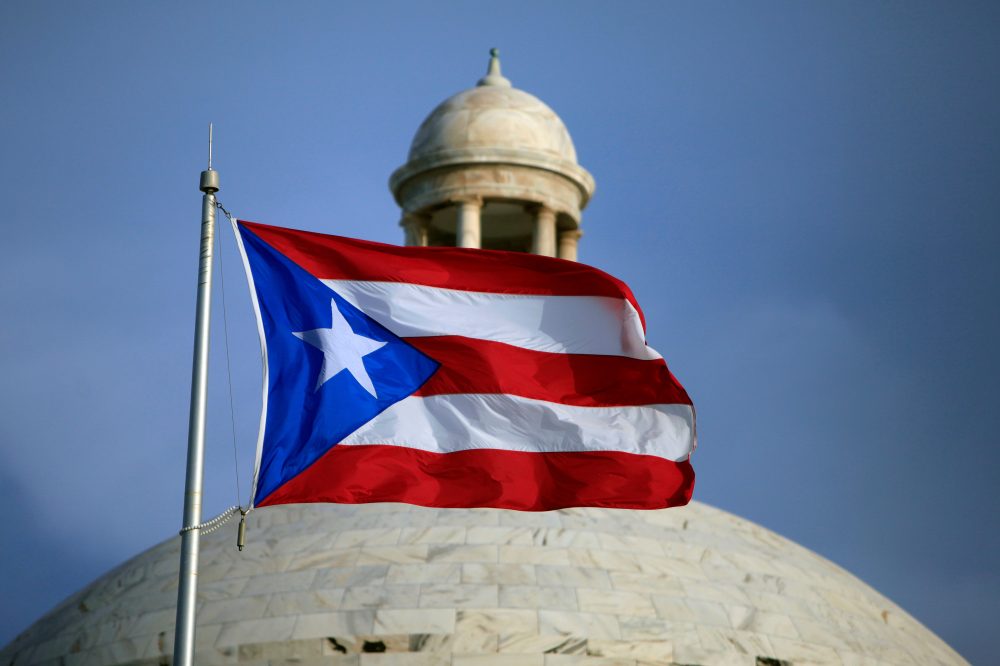
Puerto Rico Power Company Offered $3B Debt Restructuring Deal
A federal oversight board managing Puerto Rico’s finances has put forward a $3 billion settlement offer to bondholders in a renewed attempt to restructure more than $10 billion in debt carried by the territory’s electric utility. The board’s proposal involves a combination of cash payments and newly issued bonds for creditors who have not yet settled and are seeking roughly $8.5 billion in claims. The offer is $1.4 billion more than what was previously proposed. Puerto Rico’s Electric Power Authority has been working to sort out its debt load for close to a decade.
Job Openings Hold Steady at 7.6 Million in May
The number of available jobs in the United States remained at a surprisingly robust 7.6 million in May, signaling that the American labor market is holding up well despite economic turbulence from the Iran war. Economists had projected the figure would come in at just 7 million. Layoffs increased during the month, and the share of workers voluntarily leaving their jobs — typically seen as a sign of confidence in finding new work — edged up only marginally.
Consumer Confidence Nudges Up as Gas Prices Fall, But Pessimism Lingers
Americans are feeling slightly better about the economy this month, largely thanks to declining gas prices, but overall sentiment remains downbeat by historical measures. The Conference Board reported Tuesday that its consumer confidence index rose 0.6 point in June to reach 91.2 — still below the 95.2 reading from a year ago. Attitudes had soured after the Iran war sent oil and gas prices soaring, fueling inflation and eroding Americans’ purchasing power. Prior to the pandemic, the index routinely exceeded 120.
Brazilian Workers Demand Shorter Work Week
Hundreds of bus drivers went on strike and demonstrated in downtown Rio de Janeiro on Tuesday, calling for higher pay, improved working conditions, and an end to six-day work weeks. The action is part of a broader national movement pushing for a guaranteed two-day weekend for all Brazilian workers. A proposal to cap the work week at five days is currently being considered by the Brazilian Senate and has the backing of President Luiz Inácio Lula da Silva, who is running for reelection in October. If passed, the measure could transform the daily lives of millions of lower-income Brazilians and potentially give Lula’s campaign a significant lift. Approximately 14 million Brazilians currently work six days a week.
Tips for Talking to Your Kids About Money
Having money conversations with children can feel uncomfortable, especially for parents who aren’t entirely confident about personal finance themselves — but that’s beginning to change. Jennifer Seitz, director of education at Greenlight, a family personal finance app, notes that a growing number of financial tools are designed to help families navigate these discussions. Options include supervised debit cards for children and apps that turn money management into a game to make it more accessible for younger users. Financial experts recommend bringing up money regularly and openly, and finding creative ways to make those conversations enjoyable and engaging for kids.