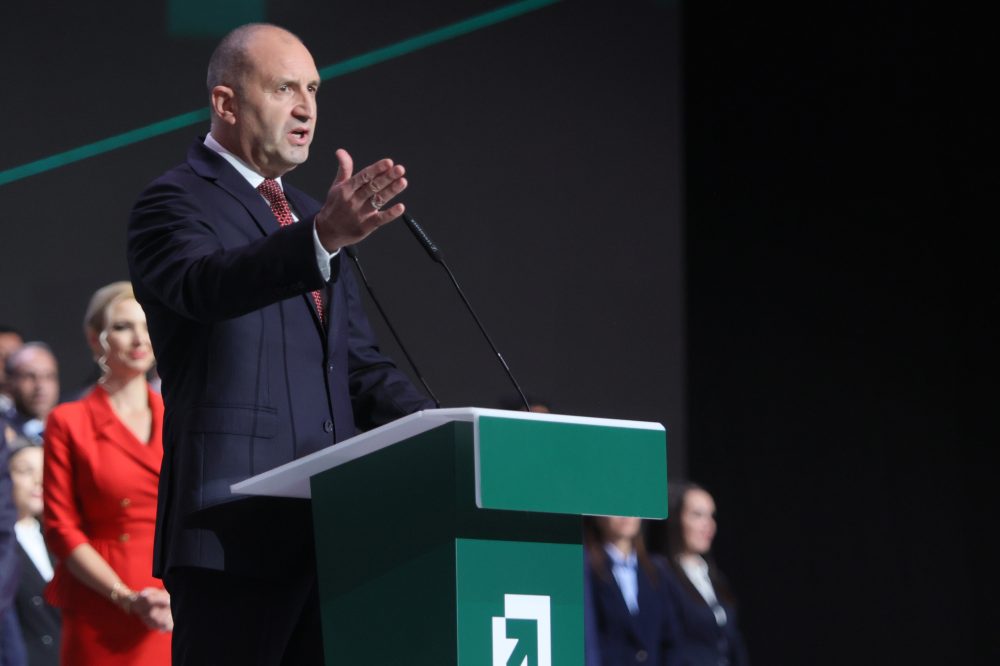

SOFIA, Bulgaria — Citizens across Bulgaria cast their votes Sunday in what marks the nation’s eighth parliamentary election within a five-year span, as the country seeks to break free from persistent political gridlock that has paralyzed this southeastern European nation.
The emergency election comes after a conservative government stepped down last December following massive demonstrations that brought hundreds of thousands of protesters, particularly young citizens, into the streets demanding judicial independence to combat rampant corruption.
The country of 6.5 million residents has endured a series of fractured legislative bodies since 2021, resulting in unstable administrations that have each collapsed within twelve months due to public demonstrations or legislative maneuvering.
This constant governmental turnover has created deep public skepticism, electoral disengagement, and declining participation rates in democratic processes.
Sunday’s election carries particular weight as it may elevate a leftist, Moscow-friendly former head of state to power — occurring just after Hungarian citizens rejected Viktor Orbán’s authoritarian agenda and far-right ideology, despite his close relationship with Russian leader Vladimir Putin.
Leading the race is Bulgaria’s ex-President Rumen Radev, who heads the recently established center-left Progressive Bulgaria alliance. The former president stepped down from his largely symbolic role in January, several months ahead of completing his second term, to pursue the prime minister position.
The 62-year-old former military aviator and air force leader enjoys widespread popularity and has pledged to deliver national renewal. His base includes both those seeking an end to oligarchic corruption and supporters drawn to his EU-skeptical and Russia-friendly positions.
Voting began at 7 a.m. and concluded at 8 p.m., with initial exit polling released immediately afterward. Official preliminary tallies are anticipated Monday.
Bulgaria maintains membership in both the European Union and NATO, adopted the euro currency on January 1st, and recently gained access to the Schengen borderless zone. Despite these achievements, political chaos has persisted since 2021, when three-term conservative leader Boyko Borissov stepped down amid massive demonstrations driven by public fury over systemic corruption and judicial failures.
Radev has positioned himself against the nation’s established criminal networks and their connections to senior political figures. During campaign events, he pledged to “eliminate the corrupt, oligarchic system of leadership from political authority.”
While Radev has formally condemned Russia’s military assault on Ukraine, he has consistently opposed providing weapons to Kyiv and supports renewed diplomatic engagement with Moscow to resolve the war.
Polling data suggests Radev’s alliance may capture over 30% of votes, placing him roughly 10 percentage points ahead of his primary competitor — Borissov’s center-right GERB organization. Survey margins of error range between 3 and 3.5%.