
LONDON (AP) — Nearly three dozen nations will convene Thursday in a diplomatic push to restore access to the Strait of Hormuz, a crucial maritime corridor that Iranian aggression has effectively closed amid the ongoing U.S.-Israeli conflict with Iran.
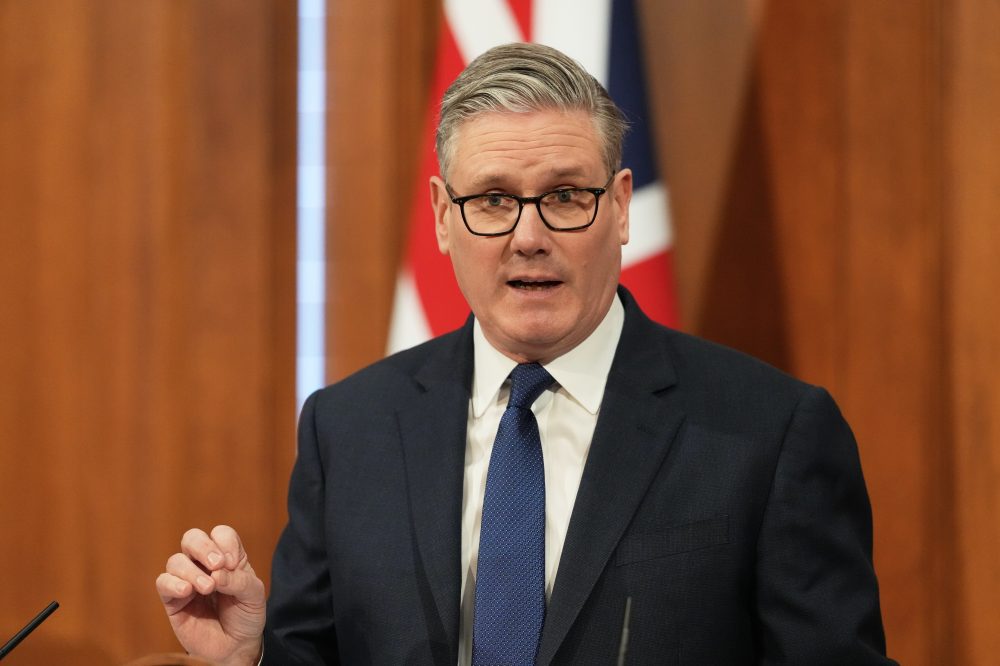
British Prime Minister Keir Starmer announced that the virtual summit, led by Foreign Secretary Yvette Cooper, “will assess all viable diplomatic and political measures we can take to restore freedom of navigation, guarantee the safety of trapped ships and seafarers and to resume the movement of vital commodities.”
Commercial vessel traffic through the strategic waterway linking the Persian Gulf to international waters has ground to a near-complete halt following Iranian strikes on merchant ships and continued threats of additional attacks. The blockade has severed a crucial artery for global oil transport, causing petroleum costs to spike worldwide.
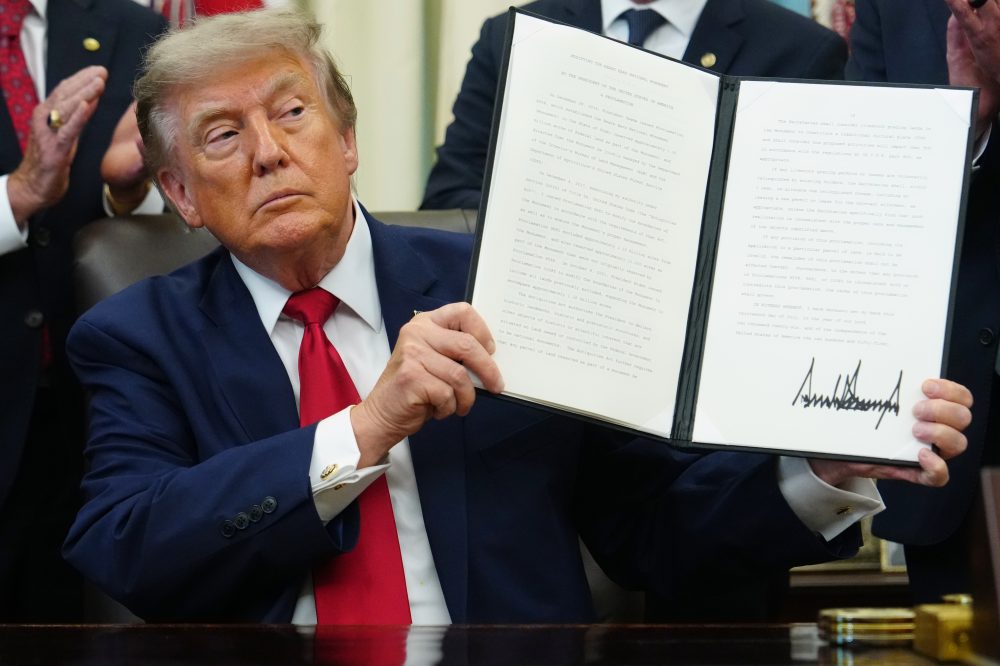
Notably absent from Thursday’s gathering will be the United States. President Trump has declared that protecting the shipping lane falls outside American responsibilities and advised U.S. partners to “go get your own oil.”
With active hostilities continuing and Iran’s capability to deploy anti-ship missiles, unmanned drones, naval vessels and sea mines, no nation appears prepared to attempt a military solution to force the strait open. However, Starmer revealed Wednesday that defense officials from several unnamed countries will convene separately to develop security protocols for merchant shipping “after the fighting has stopped.”
Meanwhile, 35 nations—including Britain, France, Germany, Italy, Canada, Japan and the United Arab Emirates—have endorsed a declaration calling on Iran to cease its blockade efforts while committing to “contribute to appropriate efforts to ensure safe passage” through the vital channel.
Officials describe Thursday’s virtual conference as an initial step, with follow-up “working-level meetings” planned to develop specific implementation strategies.
Starmer acknowledged that restoring commercial navigation “will not be easy,” requiring “a united front of military strength and diplomatic activity” combined with collaboration from the shipping industry.
The multinational initiative mirrors the international “coalition of the willing” spearheaded by Britain and France to support Ukraine’s long-term security following any future ceasefire in that conflict. The coalition partly serves to demonstrate to the Trump administration that European allies are taking greater responsibility for regional security matters.
The importance of enhanced continental defense capabilities has gained added significance following Trump’s repeated suggestions that America might withdraw from NATO.