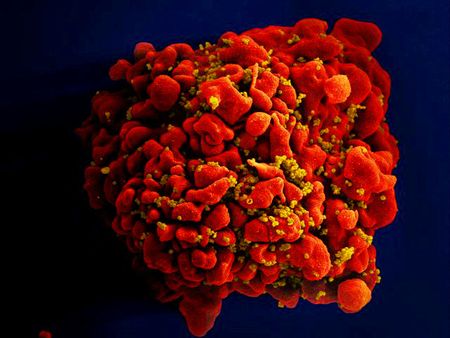

Medical researchers have achieved promising results using a patient’s own modified immune cells to combat HIV infection in a groundbreaking early-stage clinical trial, though scientists emphasize more research is needed to validate these findings and identify the best candidates for treatment.
The initial human trial utilized CAR-T technology, a single-dose treatment where doctors remove a patient’s T-cells, modify and multiply them in laboratory conditions, then reintroduce them into the patient’s system. For this study, scientists programmed the CAR-T cells to target specific HIV binding locations called CD4 and CCR5.
Without medical intervention, HIV multiplies and eliminates the body’s disease-fighting cells, ultimately developing into AIDS. Approximately 41 million individuals worldwide currently live with HIV, and although modern antiretroviral medications have made the condition manageable, patients must take these drugs throughout their lives.
This approach differs significantly from earlier HIV treatment breakthroughs that involved cancer patients receiving bone marrow transplants from donors carrying a uncommon genetic variation that naturally resists HIV. Scientists believe CAR-T therapy could benefit many more patients.
“Our goal is to make these therapies affordable and accessible,” stated Dr. Boro Dropulić, executive director of the nonprofit organization Caring Cross, which partnered with researchers from University of California, San Francisco, University of California, Davis and Case Western Reserve University Hospital on this study.
Among three trial participants who received the standard CAR-T treatment dose, researchers reported that two have sustained undetectable or extremely low HIV levels since discontinuing antiretroviral medications – one patient for more than two years and another for almost one year. The third participant experienced an initial virus resurgence but subsequently managed to keep HIV at low yet detectable amounts.
The safety-focused trial included three additional patients who did not receive the preparatory chemotherapy typically used to ready bone marrow for cell reinfusion, while three others received reduced CAR-T doses.
“The two that have been off (HIV drugs) the longest and doing well were importantly diagnosed pretty quickly and put on therapy pretty quickly,” explained Dr. Steven Deeks, a medicine professor at the University of California, San Francisco and the study’s primary researcher.
He described how antiretroviral treatment “freezes the virus in place” to prevent mutations while also stopping the body’s immune system from getting “ravished by HIV.”
Deeks noted that ongoing research aims to understand why certain patients have shown better responses.
“The CAR-T cells disappeared after several weeks… so we’re really trying to come up with a mechanism to explain that,” he said.
CAR-T treatments are currently approved for various blood cancers and are being tested for autoimmune conditions including lupus and scleroderma.
“In the cancer settings, the overall burden of disease is much higher. Typically the CAR-T cells persist much longer,” Deeks noted.
He added that HIV trial participants did not experience the severe side effects commonly seen in cancer patients receiving CAR-T therapy, including a dangerous inflammatory reaction called cytokine release syndrome.
The research results were scheduled for presentation Tuesday at the American Society of Cell and Gene Therapy’s annual conference in Boston.