
Brazil’s highest-ranking labor inspection official has been terminated from his position after defying direct orders from his superior regarding the placement of Chinese electric vehicle manufacturer BYD on the country’s registry of companies accused of subjecting employees to slave-like working conditions, according to two individuals familiar with the situation who spoke to Reuters.
Luiz Felipe Brandao de Mello ignored instructions from Labor Minister Luiz Marinho to keep the automaker off Brazil’s labor violations registry, commonly referred to as the “dirty list,” the anonymous sources revealed.
The termination, which appeared in Monday’s official government publication, represents the most recent tension between President Luiz Inacio Lula da Silva’s administration and the historically autonomous labor inspectors responsible for investigating severe workplace violations. Minister Marinho has faced previous allegations of meddling in inspector activities to protect major corporations from being listed.
Neither Brazil’s Labor Ministry nor Mello responded immediately to requests for statements.
The country’s labor inspector association, Anafitra, condemned the firing and warned it compromises Brazil’s efforts to combat workplace exploitation while diminishing the effectiveness of the registry, which serves as an important enforcement mechanism.
“The dismissal of the secretary signals an escalation of political interference in labor inspections,” Anafitra declared in an official statement.
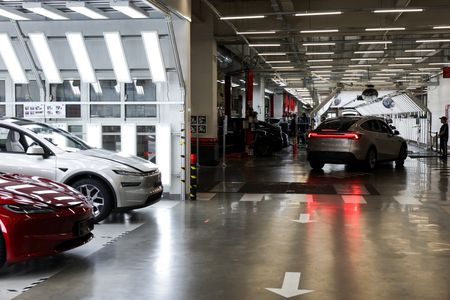
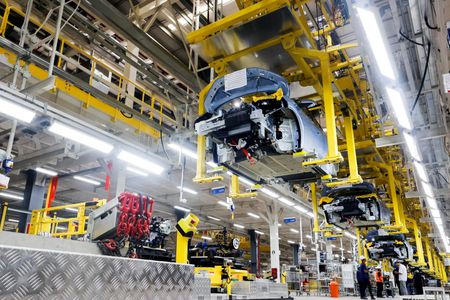
The controversy surrounding BYD stems from a 2024 incident involving 163 Chinese employees working for a subcontractor who were discovered constructing the company’s primary Brazilian manufacturing facility under conditions Brazilian authorities characterized as “slavery-like.”
This controversy damaged BYD’s public image and caused significant construction delays in Brazil, which represents the company’s second-largest market globally after China.
BYD has not responded to requests for comment but previously stated it was unaware of any violations until Brazilian news outlets reported on them in late 2024.
Government regulations require the labor violations registry to be refreshed every six months, with the most recent update deadline falling on April 6.
Sources indicated that Marinho instructed Mello to postpone adding BYD to the list without providing any technical reasoning for the delay.
Two days following this directive, a court issued an injunction removing BYD from the registry at the company’s request. A final court decision remains pending.
BYD has cultivated strong relationships with Brazil’s leftist administration, with President Lula participating in the factory’s opening ceremony in October, even as the labor abuse investigation was ongoing.
Companies placed on the registry face more than just public embarrassment, as they become ineligible for specific types of financing from Brazilian financial institutions.
In the previous year, Marinho conducted extraordinary final assessments of labor inspector findings to prevent certain companies from being listed, including a subsidiary of Brazilian meat processing giant JBS.
One source revealed that Mello had opposed Marinho’s previous interventions, noting that his refusal to comply with orders in the BYD situation was viewed as the breaking point.