
Federal aviation officials have declared that military laser systems designed to neutralize drones along the southern border pose no safety risk to aircraft when used properly, following a comprehensive review triggered by Texas airport disruptions earlier this year.
The Federal Aviation Administration and Defense Department have reached a formal agreement establishing safety protocols for deploying these anti-drone laser weapons to protect air travelers.
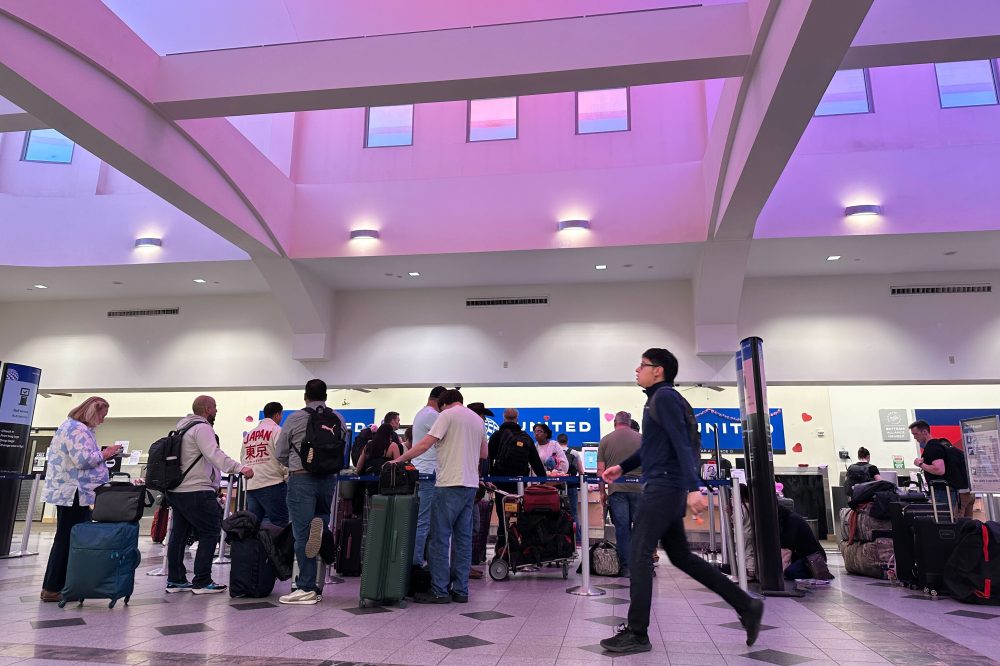
The El Paso airport’s airspace was shut down for multiple hours in early February after a government agency activated a counter-drone laser system without alerting aviation authorities. The closure forced numerous passengers to seek alternative travel arrangements. A second, smaller airspace restriction occurred when military forces mistakenly destroyed a U.S. Customs and Border Protection drone.
Testing conducted at New Mexico’s White Sands Missile Range last month provided the FAA with sufficient evidence that these laser systems can operate without compromising aviation safety.
“We will continue working with our interagency partners to ensure the National Airspace System remains safe while addressing emerging drone threats,” FAA Administrator Bryan Bedford said in a statement.
Mexican drug cartels frequently deploy drones along the border for smuggling operations and surveillance of law enforcement activities. Congressional testimony from last summer revealed that authorities detected over 27,000 drones within 1,600 feet of the southern border during the final six months of 2024.
The devastating impact of weaponized drones in conflicts across Ukraine and Iran underscores the seriousness of this emerging threat.
Congressional leaders expressed alarm over the apparent communication breakdown after the Pentagon authorized Customs and Border Protection to deploy anti-drone lasers in early February without informing the FAA.
Military personnel used the laser system on February 26 to eliminate what appeared to be a threatening drone near the U.S.-Mexico border. However, the targeted aircraft actually belonged to Customs and Border Protection, according to lawmakers.
This incident prompted the FAA to restrict airspace around Fort Hancock, located approximately 50 miles southeast of El Paso.
The Trump administration has emphasized its commitment to stopping Mexican cartel drone incursions. U.S. Army Brigadier General Matt Ross stated that this new agreement enables the deployment of sophisticated defensive technology to protect American territory.
“By working hand-in-hand with the FAA and our interagency partners, the Department of War is proving that these cutting-edge capabilities are safe, effective, and ready to protect all air travelers from illicit drone use in the national airspace,” Ross said.
The federal government has distributed more than $250 million to help states develop drone response capabilities in preparation for World Cup events and the nation’s 250th anniversary celebrations scheduled for this summer.
An additional $250 million in funding will be allocated later this year to enhance national drone defense systems.