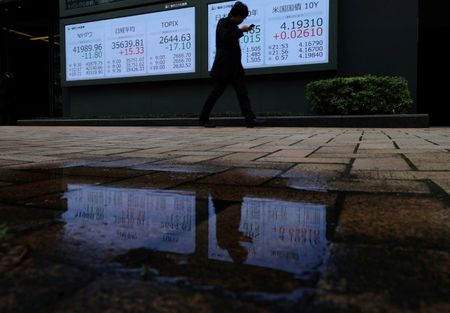

International bond markets concluded a difficult week on Friday with widespread declines as mounting signs of economic disruption from the Iran war led investors to expect more aggressive interest rate increases and slower economic growth.
Treasury yields in the United States reached approximately one-year highs as market participants expect the Federal Reserve may need to raise borrowing costs to combat inflation driven by energy price spikes related to the Iran conflict.
European government bonds from Germany, Italy and France faced selling pressure during morning trading sessions, while bond yields in Japan climbed to unprecedented levels.
Italy’s 10-year government bond yields jumped nearly 9 basis points to approximately 3.87%, marking a weekly increase of almost 14 basis points, while Germany’s benchmark Bund yields climbed about 6 basis points to roughly 3.11%.
Economic data released this week demonstrated that consumers and companies are beginning to experience significant price increases due to the conflict, which has driven crude oil prices up more than 50%.
Shorter-term two-year yields, which respond most quickly to shifting expectations about inflation and monetary policy, posted the steepest gains this week, though longer-term bond yields have also begun climbing as investors worry about extended impacts from energy price shocks.
“It’s not just inflation, but also higher deficits that should be the focus,” Jefferies strategist Mohit Kumar said.
“We are likely to see a number of support measures for fuel subsidies announced in the coming months.”
Kumar predicted a steepening pattern in government bond yield curves, describing a market condition where longer-term bond yields increase faster than shorter-term rates.
The benchmark 10-year Treasury note was most recently trading at 4.53%, gaining 7.3 basis points for the session and near its peak since last June.
British government bond yields experienced volatile trading throughout the week, reaching multi-decade highs, as political pressure intensifies on Prime Minister Keir Starmer to step down following his Labour party’s significant defeats in local elections and the emergence of potential leadership rivals.