
LA PAZ — Bolivia appeared to be turning a corner on Sunday, one day after President Rodrigo Paz declared a state of emergency in response to a 50-day social crisis that had shut down the country’s primary highway routes.
In the early hours of Sunday, the Legislative Assembly voted overwhelmingly to approve Paz’s emergency decree, which was designed to restore road access and ensure the delivery of essential goods after protest groups spent weeks cutting off major roads. The blockades had left trucks stranded and severely limited the flow of food, fuel, and medicine to communities across the country.
Sunday’s congressional vote came alongside several significant developments on the ground. In Santa Cruz, local officials and protest leaders reached an agreement to end a major blockade in the town of San Julian. Separately, a well-known campesino federation based in La Paz announced it was temporarily suspending its demonstrations, though the group made clear its underlying demands had not changed.
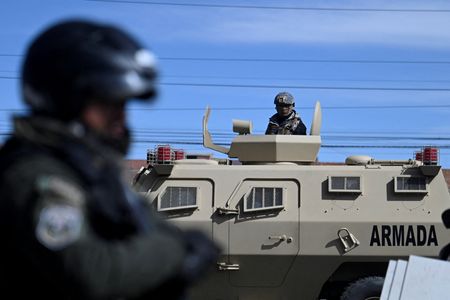
Although police and military personnel remain stationed across the country, the national highway authority confirmed that no active protest-related blockades were still in place. That said, many roads sustained considerable damage during the weeks of unrest and will need extensive cleanup and repairs.
The roots of the crisis stretch back to a decision by Paz — who took office in November — to abruptly eliminate long-established fuel subsidies in an effort to reduce the budget deficit during a worsening shortage of dollars and ongoing discussions with the International Monetary Fund. Even after taking steps to stabilize fuel prices and walk back unpopular land reform measures, the protests grew stronger. Labor unions pushed for wage increases, relief from fuel and dollar shortages, and Paz’s removal from office.
Political analysts and legal experts have cautioned that the emergency powers could actually make the situation worse if the government fails to tackle the deeper issues driving the protests.
The calming of tensions on Sunday happened to fall on the same day as the celebration of the Andean-Amazonian New Year, a culturally significant occasion in Bolivia. Across the country, government representatives and indigenous leaders used the occasion to call for unity and healing. At a ceremony in La Paz, Tourism Minister Cinthya Yanez expressed her hope that “prosperity” and “bounty” would return to Bolivia and that its people would once again “join hands.”