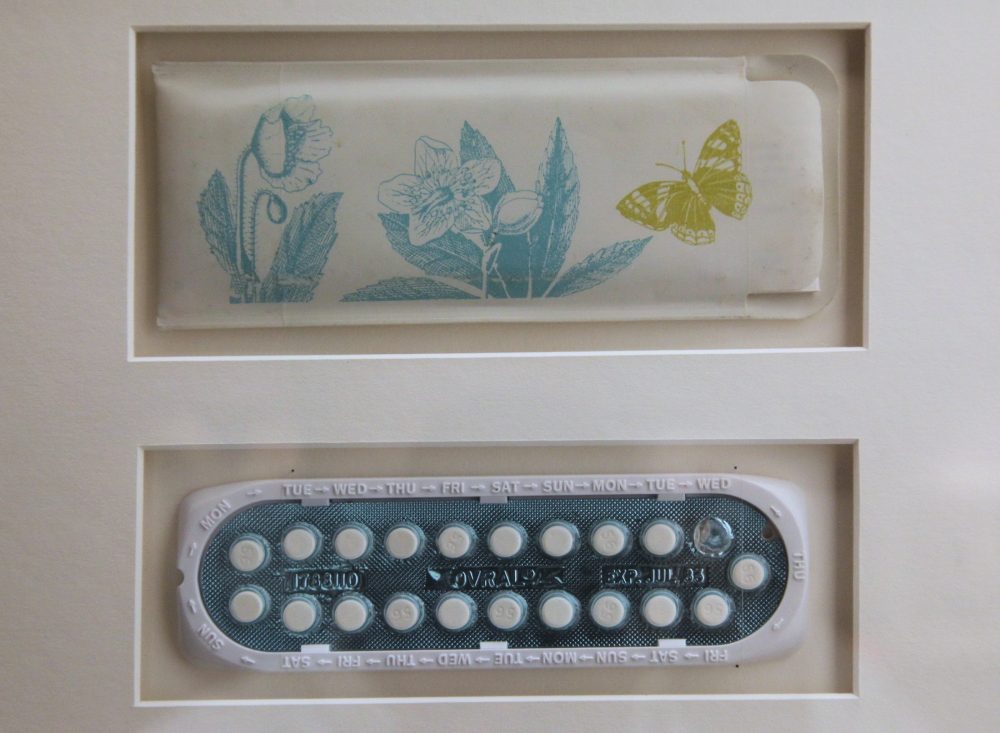

A small daily tablet fundamentally transformed modern American society.
The oral contraceptive, receiving FDA approval six and a half decades ago, accomplished far more than pregnancy prevention. This groundbreaking medication provided women with unprecedented autonomy, fundamentally altering family structures and societal norms across the nation.
“Its introduction in the 1960s afforded U.S. women this unprecedented control over their childbearing and subsequent life trajectories,” says Suzanne Bell of Johns Hopkins Bloomberg School of Public Health.
The contraceptive separated sexual intimacy from reproduction. For the first time, women could manage their fertility independently, without requiring male participation in family planning decisions.
A pioneering woman led the charge for this medical breakthrough. Margaret Sanger, who established what would become Planned Parenthood Federation of America, championed the medication’s creation alongside financial backing from philanthropist friend Katharine Dexter McCormick. Sanger declared, “No woman can call herself free until she can choose consciously whether she will or will not be a mother.”
Scientists Gregory Pincus and Min Chueh Chang, working with gynecologist Dr. John Rock, developed the medication. The contraceptive employs artificial progesterone and estrogen to block pregnancy primarily through preventing egg release, while also creating barriers that impede fertilization. Perfect usage achieves 99% effectiveness in pregnancy prevention.
American adoption was rapid – over one million women were using the medication within just two years of availability. Dramatic societal shifts emerged. Studies connect the contraceptive to delayed marriage timing, increased educational achievement, and expanded female workforce engagement. The medication also contributed significantly to the sexual liberation movement of the 1960s and 1970s.
Opposition arose alongside acceptance. During the 1960s, Pope Paul VI denounced the medication while numerous states prohibited contraceptive access. Married women gained exemption from these restrictions in 1965, though single women faced continued bans for years afterward.
Contemporary concerns have emerged following the Supreme Court’s abortion ruling, with some fearing contraceptive rights may face similar challenges.
“With any device or procedure that gives women more reproductive or sexual autonomy, there are always groups that resist and push back,” says Bell, pointing to the recent push for women to have more children.
Despite opposition, women continue making independent choices. American birth rates have dropped to unprecedented lows, while the contraceptive maintains widespread popularity. Currently serving as America’s leading reversible birth control method, it serves more than 8 million users and continues influencing both individual lives and national trends.