
SAN FRANCISCO — Delaware residents, like Americans nationwide, find themselves caught in a complex relationship with their iPhones that mirrors many complicated emotional attachments.
These devices often feel like mystical tools so essential that imagining life without their countless benefits and conveniences seems impossible. iPhones and similar smartphones allow instant photo sharing across social platforms, gaming, video streaming, music playback, text messaging, email management, web browsing, news consumption, navigation assistance, and contactless payments.
Occasionally, people even use them for actual telephone conversations.
Yet at times, these same devices resemble predatory dealers exploiting our vulnerabilities and negative tendencies while feeding our dependency on constant notifications and alerts that draw our eyes to screens, steadily eroding our ability to focus.
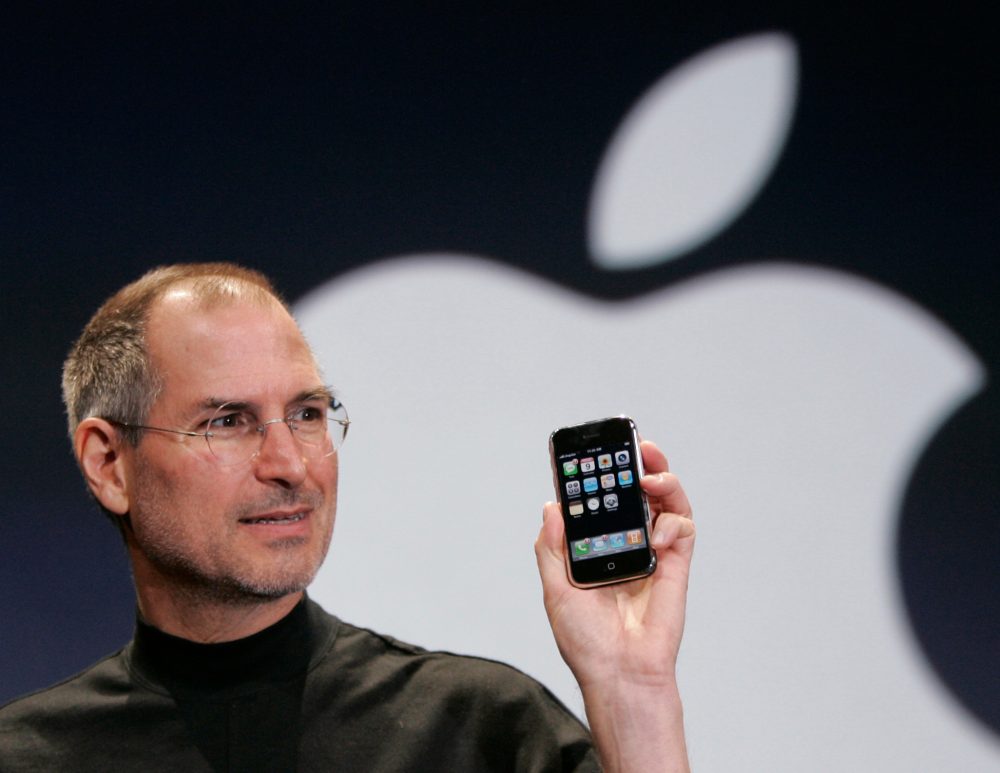
This contradiction faces America as the iPhone remains relatively young, existing within the same age group it has potentially influenced most dramatically. Apple’s revolutionary device didn’t debut until 2007, when company co-founder Steve Jobs walked onto a stage and promised a captivated crowd they would witness something transformative.
His prediction largely came true. Jobs, as frequently occurred before his passing in 2011, demonstrated remarkable foresight — so accurate that research indicates many people would choose sharing their bed with their iPhone over their romantic partner if forced to decide.
The current dilemma involves determining whether society can better navigate this complex relationship with iPhones and Android-powered smartphones in a world that practically demands universal ownership. Can we maintain all the advantages while eliminating harmful behaviors? Should smartphone usage be grouped with cigarettes, alcohol, and unhealthy food?
Currently, America appears to drift deeper into a digital stream reminiscent of a famous closing line from classic American literature: We continue scrolling, like vessels fighting the tide, constantly pulled back toward the illuminated display.