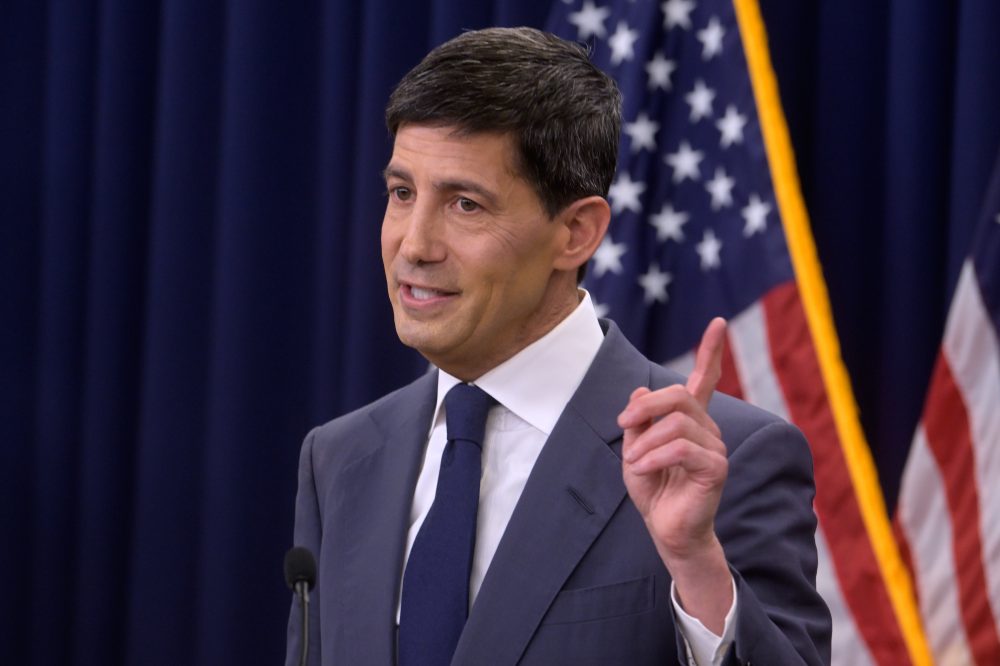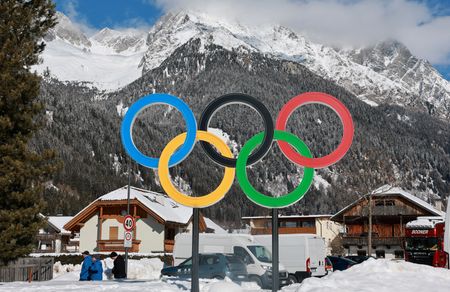

ANTERSELVA, Italy – The International Olympic Committee presented its highest honor, the Olympic Order, to International Biathlon Union President Olle Dahlin on Sunday, celebrating his transformative leadership of the winter sport over the past eight years.
The 71-year-old former athlete, who competed in both biathlon and cross-country skiing, received the recognition during the IOC’s closing session, just one day after biathlon concluded its spectacular Olympic run. Dahlin plans to retire from his presidential role before the year ends.
“It has been a fantastic journey, not least this international journey that is being crowned with the Olympic Order, which is perhaps the finest prize in sports in the world. It is a huge honour,” Dahlin shared during an interview at the Antholz-Anterselva Biathlon Centre.
The Swedish leader emphasized how far the sport has progressed under his guidance. “It’s been a tremendous journey in biathlon, it’s now at a top, top level and can be compared to many, if not all, of the world’s biggest sports in terms of the level it is at,” he explained.
“At the Olympics we have seen the development over recent decades on the world stage, the biggest stage that exists. We have top-class stadiums, and our World Cup competition is at a very high level,” Dahlin added.
The recent Olympic competition showcased the sport’s evolution, with massive crowds witnessing intense battles where traditional powerhouses Norway and France claimed multiple medals, though they faced strong challenges from emerging nations.
Nations like Bulgaria and the Czech Republic celebrated bronze medal victories, demonstrating the success of IBU initiatives under Dahlin’s leadership to level the competitive playing field and give smaller countries better opportunities to compete.
The women’s mass start finale exemplified biathlon at its peak, as France’s Oceane Michelon delivered a thrilling final lap performance to overtake Czech Republic’s Tereza Vobornikova for the gold medal, all unfolding before a roaring crowd of enthusiastic spectators.
Dahlin takes particular pride in the IBU’s investment in the Anterselva venue, located in Italy’s biathlon stronghold region, which created an electric atmosphere that captivated fans throughout the competition.
“It’s primarily the atmosphere that has been fantastic. We had the biggest arena at the Olympics with space for 19,000 fans, so we’ve had around 200,000 here in total,” Dahlin noted.
“When people who have never seen biathlon live before come here and experience this, it’s a huge surprise, so it’s been so positive to receive these visitors,” he continued.
Throughout his tenure, Dahlin has championed a data-focused and creative strategy for developing the sport at grassroots levels, with particular emphasis on expanding biathlon’s reach beyond its traditional European base.
“It’s probably easiest to focus on where we already have, but we also see two particular areas where we can focus – North America and Asia – so we’re working with developing the sport there, and also the communication,” he explained.
Attracting new audiences represents a cornerstone of the IBU’s future strategy, leading the organization to significantly expand its internal media and communications operations to connect with potential fans worldwide.
This growing popularity has generated increased revenue streams, providing the IBU with additional resources for further investment in sport development.
“I often say money isn’t everything, but it’s good to have,” Dahlin remarked with a laugh. “Last year we organised a tournament on roller skis in downtown Munich. It cost a lot of money but we had 50,000 fans.”
“We’ve also had more than 100,000 young people test biathlon with laser rifles, so that’s the kind of investment we’re going to make – these things are gaining us more fans, but they are also giving biathlon a future,” he concluded.