
MILAN – Olympic officials are celebrating what they’re calling an extraordinary achievement at the Milano Cortina Winter Games, which wrapped up despite facing numerous construction setbacks and organizational challenges leading up to the international competition.
The winter sports spectacular, which kicked off February 6 with an elaborate opening ceremony at Milan’s San Siro stadium, had been under intense scrutiny for years as organizers struggled with tight construction timelines and venue delays scattered throughout northern Italy.
As the final curtain prepares to drop at Sunday’s closing ceremony in Verona’s arena, both event organizers and International Olympic Committee leadership are expressing relief and satisfaction.
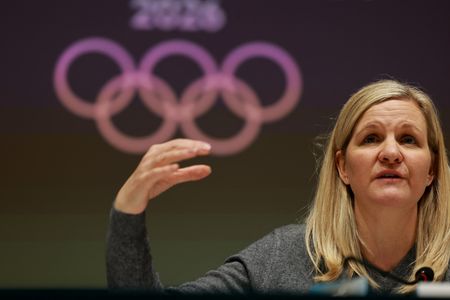
IOC President Kirsty Coventry praised the effort during her remarks to committee members, stating: “They have been fantastic. It could not happen without incredible teamwork… and we had it every step of the way.”
Coventry, who is overseeing her first Olympics since being elected last year, added: “Over the last two weeks we have seen and experienced incredible Games. I have no words really.”
The positive outcome represents a dramatic turnaround from just weeks before the Games began, when organizers were racing against time to finish the Santagiulia ice hockey facility and the controversial new sliding center in Cortina d’Ampezzo.
The sliding center project became a major point of contention during preparations due to its hefty price tag and compressed construction schedule. Italy made the decision in 2023 to proceed with building the new facility, rejecting IOC recommendations to relocate those events to an existing track in another nation.
Italian officials insisted on keeping all Olympic competitions within their borders, adding significant pressure to an already strained organizational effort.
Political tensions also surfaced on opening day, with demonstrators protesting the presence of U.S. Immigration and Customs Enforcement analysts, while Vice President JD Vance faced crowd disapproval when appearing on stadium screens during the ceremony.
The IOC’s pre-Games concerns were evident when Milano Cortina chief Giovanni Malago, himself an IOC member, suffered a stunning defeat in his bid for the Olympic committee’s executive board just before the opening ceremony. An overwhelming 48 members voted against him in an unusual rebuke of a host nation representative.
However, once competition began, most operations proceeded smoothly, catching organizers off guard with their success.
Unlike many Olympic Games that face operational hiccups or atmosphere problems, the Italian event avoided major crises while benefiting from cooperative winter weather that provided spectacular Alpine scenery.
Early worries about transportation between Milan and the mountain venues in the Dolomites quickly subsided, largely because most spectators chose to remain in either the city or mountain locations rather than make the lengthy six-to-seven-hour journey between sites.
The European timing also boosted television audiences across the continent and in North America compared to recent Asian-hosted winter Games. NBC Universal reported selling out all advertising slots a full month before competition started.
The Games received additional momentum from Italy’s strong medal performance, with the host nation capturing 30 medals including 10 golds by Sunday morning, placing them among the top five countries. Domestic interest surged during competition, with several hundred thousand additional tickets sold to bring the total to approximately 1.5 million, up from 1.2 million at the start.
Games chief Malago expressed gratitude to the IOC session, saying: “Thank you for never ceasing to believing in us. For supporting us in the most difficult moments and there were not a few.”
He concluded: “Together we were stronger than any challenge and any adversity.”