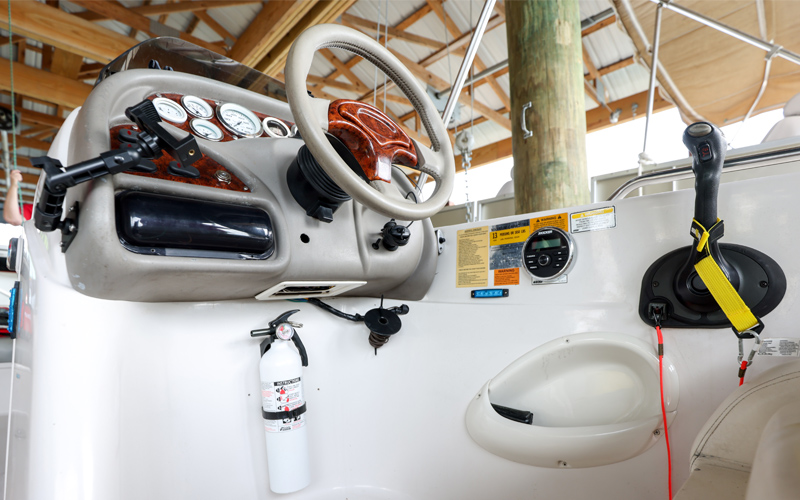

Although Virginia’s boating regulations establish minimum standards for mandatory safety equipment including life jackets, flares, and horns, marine safety experts emphasize that carrying additional protective gear beyond these legal minimums can make the difference between a minor inconvenience and a life-threatening emergency.
Smart boaters understand that true water safety extends far beyond simply meeting state requirements. By investing in supplementary equipment like medical supplies, communication devices, navigation aids, and backup tools, recreational boaters create multiple layers of protection for themselves and their passengers.
Marine safety specialists recommend considering these eleven categories of supplementary equipment:
Medical Supplies
A comprehensive first-aid kit becomes essential when dealing with common boating injuries such as cuts, severe sunburn, or seasickness while waiting for professional medical assistance.
Communication Equipment
VHF marine radios provide dependable contact with emergency services and nearby vessels, particularly in areas where cellular service becomes unreliable.
Navigation Tools
GPS units, chart plotters, and traditional compasses help prevent dangerous situations like running aground or becoming disoriented in unfamiliar waters.
Anchoring Systems
Reliable anchor equipment with sufficient line enables boaters to stabilize their vessel during mechanical problems or emergency situations.
Water Removal Equipment
Manual bailers and backup bilge pumps provide critical protection against unexpected water intrusion that could overwhelm primary pumping systems.
Backup Propulsion
Extra paddles or oars give smaller watercraft operators essential backup mobility when engines fail unexpectedly.
Engine Safety Backups
Additional engine cut-off lanyards ensure operators always have this critical safety device available.
Fire Suppression Tools
Marine-grade fire blankets or additional extinguishers supplement required fire equipment and can prove vital during sudden onboard blazes.
Mechanical Support Items
Emergency fuel supplies and basic tool kits help address minor engine problems before they become major emergencies requiring rescue assistance.
Mooring Equipment
Extra dock lines and rope provide essential backup when primary mooring equipment fails during docking operations.
Emergency Location Devices
Personal Locator Beacons transmit precise GPS coordinates and distress signals through satellite networks directly to search and rescue teams, enabling rapid location and assistance.
Safety experts identify four key advantages of carrying supplementary protective equipment:
Emergency Response Capability: Alternative equipment options can become lifesaving when primary systems fail, whether dealing with communication breakdowns or fire emergencies.
Improved Navigation Safety: Electronic and traditional navigation tools significantly reduce risks of becoming lost in unknown waters.
Equipment Redundancy: Having duplicate critical items like propulsion, safety lanyards, and water removal tools prevents minor equipment failures from escalating into serious emergencies.
Operational Efficiency: Practical equipment including anchoring systems, mooring lines, and weather protection contributes to more enjoyable and safer recreational boating experiences.