
NEW YORK — Federal investigators are examining a troubling pattern of potentially illegal betting activity on prediction markets, including cases where military personnel wagered on classified operations and elected officials bet on their own campaigns.
Recent arrests highlight growing concerns about whether these online betting platforms serve as legitimate venues for political and news-related wagering, or have become havens for insider trading schemes.
State regulators are threatening strict oversight or outright prohibition of what they consider unlawful gambling enterprises. The controversy could affect the Trump family’s business interests, as they plan to launch their own prediction marketplace.
The fairness of these betting platforms varies significantly depending on which service users choose. Each operates under different internal guidelines and regulations, though recent scandals indicate the entire sector is experiencing significant challenges that have caught regulators’ attention.
A major concern is the anonymity surrounding successful bettors, making it impossible for outsiders to determine whether winners are using privileged information. This opacity has sparked calls for federal intervention.
“There has been very much a laissez-faire” approach to overseeing this sector, explained Richard Warr, a finance professor at NC State University. “Regulation always takes time to catch up.”
Two major companies dominate this market but employ vastly different business models.
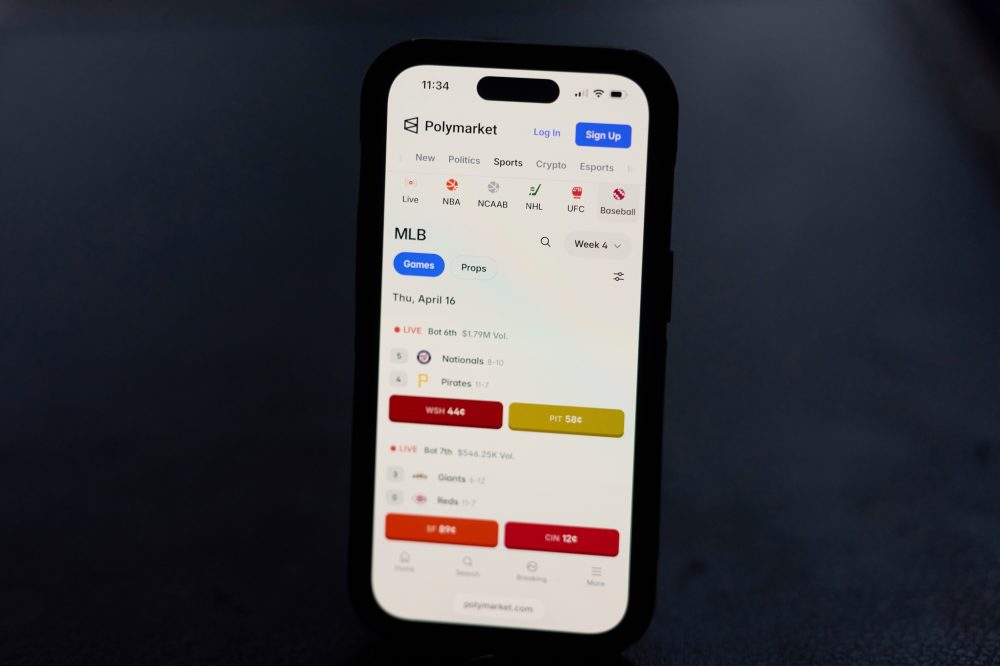
Polymarket conducts most operations outside American borders and projects an unrestrained image. The Biden administration previously prohibited the company from operating domestically due to regulatory non-compliance.
The platform accepts cryptocurrency payments and permits users to maintain pseudonymous accounts. While critics argue this setup attracts individuals with insider knowledge, industry analysts point out that Polymarket should still identify such users through account verification procedures.
Kalshi has operated as a federally regulated exchange since 2020. The company mandates customer identification and maintains complete records of user identities, though it protects this information from other participants. Operating within U.S. borders means following “Know Your Customer” protocols to prevent money laundering and other criminal activities.
In competing for market share, Kalshi positions itself as the ethical alternative.
“Not all prediction markets are the same,” stated Kalshi spokesperson Elisabeth Diana when criticism intensified following suspicious ceasefire-related betting. She continued, “We support Congress and regulators taking action to police insider trading.”
The most recent insider trading allegations emerged this week following the detention of an army special operations member accused of exploiting classified information for Polymarket bets regarding former Venezuelan leader Nicolas Maduro’s potential capture.
Polymarket stressed that it had notified federal investigators about suspicious activity on the soldier’s account, though customer reactions to this disclosure remain unclear. “We flagged this, referred it, and cooperated throughout the process,” Polymarket CEO Shayne Coplan wrote on X. “This happens constantly behind the scenes, despite what many are led to believe.”
Kalshi responded differently, revealing that the same soldier — Gannon Ken Van Dyke, who earned $400,000 from his trades — had previously attempted similar betting on their platform but was rejected during screening.
“Unlike competitors whose trading activity is mostly offshore and unregulated, we ban and police insider trading and don’t allow war markets,” a Kalshi representative told the AP.
Earlier this year, Israeli officials detained two soldiers for allegedly using classified information about their nation’s operations against Iran for betting purposes.
On Wednesday, Kalshi disclosed that three federal candidates had wagered on their own electoral contests. The politicians, including one Senate candidate from Virginia and two House hopefuls from Texas and Minnesota, received fines and five-year platform bans.
The sector is working rapidly to address these issues.
Last month, Kalshi announced prohibitions preventing political candidates from betting on their campaigns and preemptively blocking sports professionals from wagering on contracts related to their athletic involvement.
Polymarket recently updated its terms to explicitly forbid users from trading on contracts where they might possess confidential information or could affect event outcomes.
Federal officials maintain that the Commodity Futures Trading Commission holds oversight authority, arguing prediction markets fall outside state gambling regulations. They contend the CFTC already supervises financial derivatives that banks sell to corporations for risk management, making these betting contracts similar instruments.
Several states strongly reject this reasoning.
“Gambling by another name is still gambling,” declared New York Attorney General Letitia James after filing lawsuits against newcomers Coinbase and Gemini for allegedly running illegal gambling operations. “It is not exempt from regulation.”
In large states like California and Texas, where users circumvent sports betting prohibitions through these markets, opposition to CFTC support has been particularly intense.
“I don’t remember the CFTC having authority over the ‘derivative market’ of LeBron James rebounds,” Utah’s Republican Governor Spencer Cox responded to a social media post from CFTC chairman Michael Selig in February. Cox promised to utilize “every resource” to block these markets from his state.
Congressional leaders are also demanding stricter oversight.
Bipartisan lawmakers are pushing for enhanced supervision of betting on warfare, assassinations, terrorist incidents, and death-related events. While federal law already empowers the CFTC to prohibit certain event contracts, some legislators want complete bans.
“There is no justification for gambling on lives,” Democratic Senator Adam Schiff stated last month, noting that war-related betting could alert American adversaries and create national security vulnerabilities.
The Trump family’s financial interests could benefit from industry expansion, creating another potential conflict during this administration.
Donald Trump Jr. holds a stake in Polymarket through his venture capital partnership and serves as an advisor to both Polymarket and Kalshi. The Trump organization behind Truth Social is developing its own prediction platform called Truth Predict.
Regarding the president’s own position, his regulatory intentions remain unclear, though he has expressed growing skepticism.
“I was never much in favor, and I don’t like it conceptually, but it is what it is,” he commented Thursday about online betting. “Now, I think that I’m not happy with any of that stuff.”