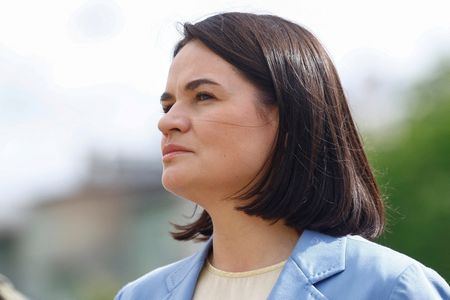

The Trump administration has informed Belarus’s exiled opposition leadership about setbacks in diplomatic efforts to secure additional prisoner releases from President Alexander Lukashenko, according to opposition leader Sviatlana Tsikhanouskaya in an exclusive interview.
This represents the first time officials have publicly acknowledged that momentum has slowed in negotiations spearheaded by President Donald Trump’s envoy John Coale, which have successfully secured freedom for over 400 detainees to date. Human rights organization Viasna reports that close to 870 individuals remain imprisoned, with at least 170 considered “particularly vulnerable” because of their age, medical conditions, or severe detention circumstances.
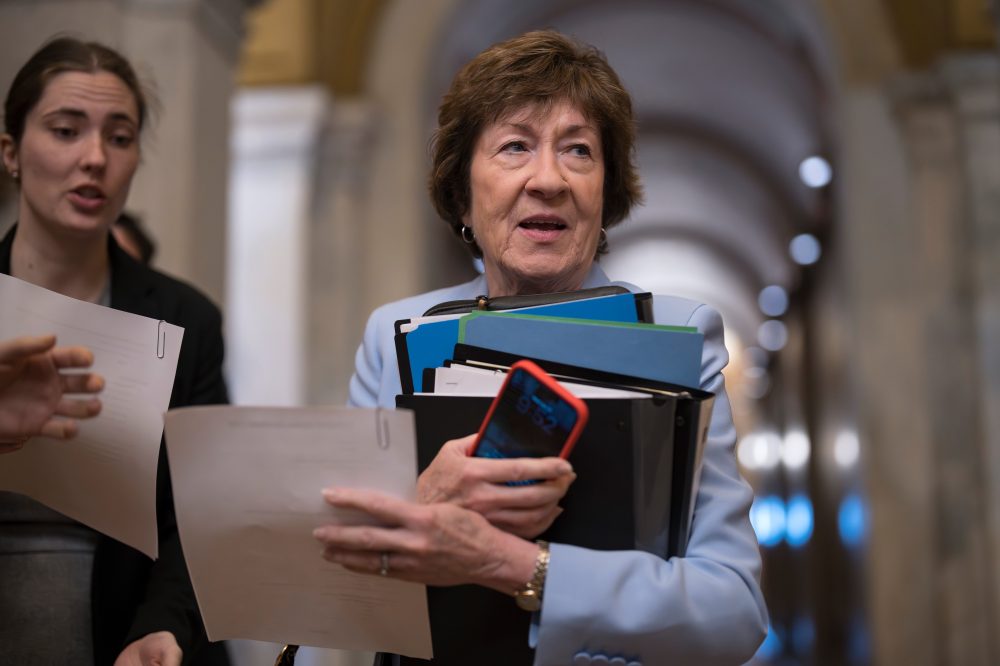
During her conversation with Reuters, Tsikhanouskaya revealed that American officials informed her that “the next releases were postponed for a while,” though she declined to reveal the specific reasoning behind the delay.
“Knowing the reason, it doesn’t worry me. Of course, we want more people to be released as soon as possible, and any delay, it ruins health for many of them,” she explained in English. “But it’s not the end of the process.”
She referenced encouraging statements from Coale, who wrote on X on June 3: “We are not finished. Keep hope alive!”
Neither Coale nor Lukashenko’s office provided responses when contacted for comment.
The Trump administration’s decision to engage directly with Lukashenko – who maintains close ties with Russian President Vladimir Putin – marked a dramatic shift from earlier Western approaches. Previously, he faced isolation and extensive U.S. and EU sanctions due to his human rights violations and support for Moscow’s military actions in Ukraine.
Tsikhanouskaya – whom Western nations view as the legitimate victor of the contested 2020 election that Lukashenko claimed – has endorsed the U.S. diplomatic initiative as a crucial humanitarian effort, while cautioning against legitimizing the long-serving authoritarian leader.
She has openly expressed discomfort with Trump’s public praise of Lukashenko, whom he has termed “the Highly Respected President of Belarus,” but recognizes the strategy’s effectiveness.
“Neither President Trump nor those around him are naive, they understand who they are dealing with, and they can make some tactical moves to free people,” she stated.
As part of a significant policy change, the U.S. announced in December that it was removing sanctions on Belarusian potash fertilizer – a major global export – to reward the prisoner releases.
However, this hasn’t generated substantial revenue increases for Lukashenko because EU sanctions persist, forcing Belarus to route exports through Russia rather than the more efficient path via Lithuania’s port of Klaipeda.
Lithuania announced last month that the U.S. was urging restoration of Belarusian access to Klaipeda, but Vilnius stated it wouldn’t consider this while EU sanctions remain active until February 2027.
Pavel Slunkin, a former Belarusian diplomat currently working as an independent political analyst in Warsaw, suggested that Lukashenko’s disappointment with America’s inability to persuade European allies likely explains the negotiation delays.
“Probably the Americans delivered a promise (to Lukashenko) that they could not fulfil,” he said during a phone interview.
“The American sanctions have never been the biggest problem for the regime in Minsk. The toughest sanctions are the European ones.”
Coale, age 79, received his appointment from Trump last year to lead discussions with Lukashenko. He has built rapport with the former collective farm administrator through extended negotiations and vodka-drinking meetings, quietly disposing of his alcohol on the floor to remain alert.
Notable figures among the hundreds of freed prisoners include Nobel Peace Prize recipient Ales Bialiatski and prominent opposition members such as Tsikhanouskaya’s husband Siarhei Tsikhanouski.
On April 28, Coale told Reuters he anticipated securing more prisoner releases within the following month. However, six weeks have passed without such developments.
On June 4, Coale disputed claims made on X by Valery Tsepkalo, a Belarusian opposition politician and former ambassador to the U.S., who alleged that Lukashenko had declined to meet with him in May.
The negotiation standstill occurs amid escalating tensions between Lukashenko and Western nations in recent weeks.
Belarus has participated in joint nuclear training exercises with Russia, and Ukrainian President Volodymyr Zelenskiy has expressed belief that Moscow seeks to involve Belarus more deeply in the conflict.
New arrests of Lukashenko’s critics have persisted, despite Coale’s statement that the U.S. had demanded an end to such actions.
Tsikhanouskaya reported that arrests occur “every day” but precise numbers remain unclear because families fear government retaliation.
Rights organization Viasna has documented at least 50 prison sentences since December that it considers politically motivated. In the previous month alone, it added 32 individuals to its political prisoner registry.
Tsikhanouskaya described Lukashenko as operating a “revolving door” system, replacing released prisoners with new detainees to preserve his negotiating leverage.
While commending Coale for doing a “fantastic job,” she said she had expressed concerns that Lukashenko was attempting deceptive tactics.
“He wants to get a Lamborghini for the price of a bicycle. Take a lot while giving a little,” she explained.
“And now if the Americans and the Europeans don’t maintain a principled position, we will repeat the same cycle again: Lukashenko will deceive, the sanctions will be removed, and the regime will still be there, without systemic changes.”