
The tech giant Apple and European Union regulators are engaged in a public dispute over who’s responsible for preventing European customers from accessing the company’s enhanced artificial intelligence assistant.
On Tuesday, a representative from the EU’s governing body challenged Apple’s reasoning for excluding European markets from its upcoming AI launch scheduled for later this year.
“We indeed need to set the record straight,” European Commission spokesman Thomas Regnier said. “The decision not to roll out Siri AI in the EU is Apple’s and Apple’s only because absolutely nothing in the DMA prohibits Apple from introducing new products in the EU.”
The spokesman referenced the Digital Markets Act, Europe’s stringent regulatory framework designed to prevent major technology companies from blocking competitors.
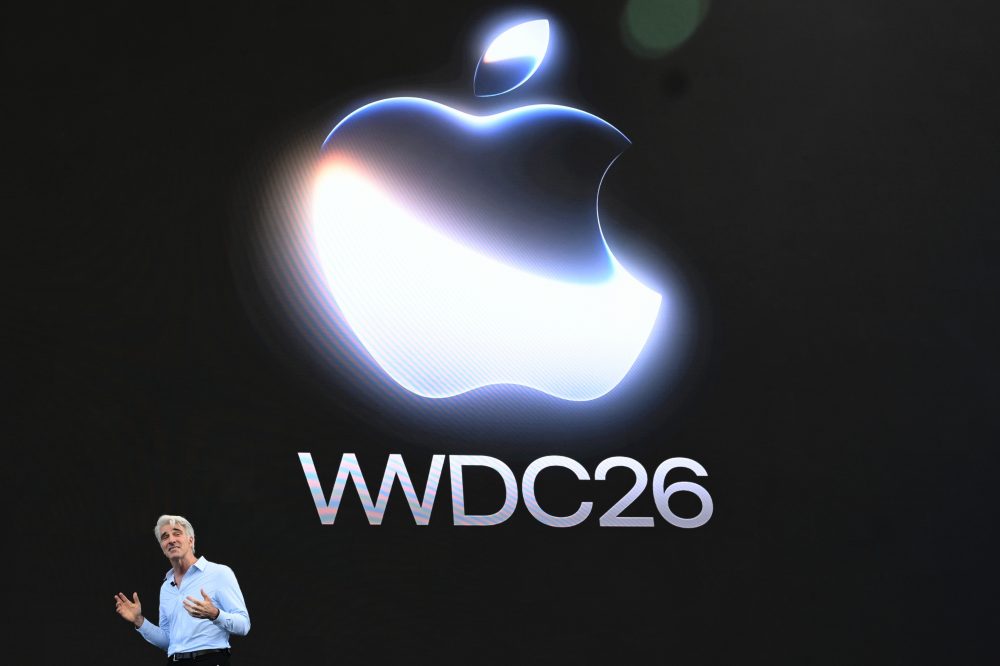
The iPhone manufacturer had pointed to these regulations as the reason for the delay, announcing Monday during its yearly developer event that the enhanced AI features would be unavailable to European iPhone and iPad customers, without specifying when they might arrive.
The regulatory framework mandates that major technology companies provide competitors with fair access to their platforms. However, Apple argued that European officials’ “extreme interpretation” of these rules would force the company to grant competing virtual assistants “direct access” to customer information without “essential protections.” The company claimed it developed a rollout strategy spanning 18 months, but European regulators rejected their proposal.
The EU representative offered a contrasting account of events.
“Instead of trying to find a suitable, compliant solution,” Apple merely asked the commission for a 18-month exemption, he told reporters at a regular briefing in Brussels.
“Guess what? That’s not an option, because it would mean that no AI agent other than Siri AI, by the way, powered by Google, would have an equal chance to be chosen by iPhone users.”
European regulations are “non-negotiable,” Regnier said. “The commission won’t give any exemptions, just like a police officer would not exempt a driver from respecting the speed limit.”