
BEIJING, March 18 – Beijing made a strategic proposal Wednesday, promising Taiwan guaranteed energy stability if the island nation accepts Chinese governance, as part of an ongoing effort to persuade Taiwan that unification would benefit its citizens.
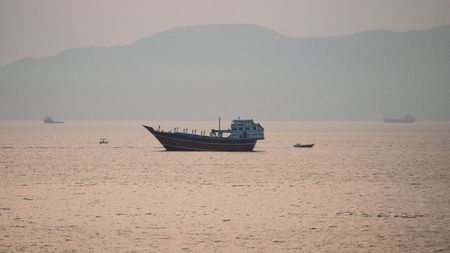
The proposal comes as nations worldwide seek backup energy sources due to ongoing Middle East conflicts that have disrupted crucial shipping routes through the Strait of Hormuz.
Taiwan currently obtains one-third of its liquefied natural gas from Qatar and receives no energy resources from China. Island officials have announced they’ve arranged backup supply sources for upcoming months, with increased deliveries from the United States, Taiwan’s primary international ally.
Chen Binhua, speaking for China’s Taiwan Affairs Office, addressed reporters in Beijing, stating that “peaceful reunification” would provide enhanced protection for Taiwan’s energy and resource needs through support from a “strong motherland.”
“We are willing to provide Taiwan compatriots with stable and reliable energy and resource security, so that they may live better lives,” Chen stated when asked about Taiwan’s energy situation during Middle East hostilities.
Taiwan’s government has not yet responded to these remarks. The island consistently rejects Beijing’s claims of authority and maintains that only Taiwan’s citizens can determine their political future.
During a Wednesday gathering of his Democratic Progressive Party in Taipei, Taiwan President Lai Ching-te confirmed that energy supplies remain secure through this month and next, with expanded U.S. gas shipments beginning in June.
“Taiwan has adopted a diversified and multi-source strategic approach to energy imports,” Lai stated, according to party documentation.
Beijing has repeatedly presented Taiwan with “one country, two systems” autonomy arrangements in exchange for accepting Chinese authority, a proposal that lacks support from any significant Taiwanese political organization.
Last October, China’s state-run Xinhua news service outlined supposed benefits Taiwan would receive following “reunification,” including financial assistance, though requiring the island be governed by “patriots.”
Beijing has consistently maintained that military action remains an option for bringing Taiwan under Chinese control.
China, which leads global oil imports, implemented a fuel export prohibition last week extending through March’s end to prevent domestic supply shortages, according to sources. This restriction affects exports valued at $22 billion in the previous year.