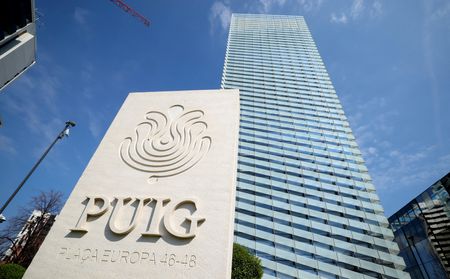

The founding families behind two major beauty industry players are heading to New York this week for high-stakes merger discussions that could reshape the global cosmetics landscape.
Representatives from U.S. cosmetics powerhouse Estee Lauder and Spanish beauty company Puig are scheduled to meet to hash out details of a potential business combination, according to an insider familiar with the negotiations who spoke anonymously due to the private nature of the talks.
The source indicated that both Estee Lauder and Puig hope to finalize an agreement within the next few weeks. This information backs up an earlier report published by Spanish business publication Expansion.
Last month, both companies publicly announced they were exploring a deal that would establish the globe’s biggest premium beauty corporation, bringing together prestigious brands such as Tom Ford, Carolina Herrera, Rabanne, Jean Paul Gaultier, and Clinique.
When contacted for comment, Puig representatives declined to provide a statement, while Estee Lauder officials were unavailable during non-business hours.
The merger discussions have already impacted Puig’s scheduled business activities. The company was originally planning to release its first-quarter sales figures and conduct its capital markets presentation on April 14, but has pushed back the sales announcement to April 28 and has not yet revealed a new date for the markets presentation.
According to Expansion’s reporting, the deal would be structured as a combined cash-and-stock public acquisition offer from Estee Lauder targeting Puig, with the resulting company trading on the New York Stock Exchange.
The proposed merger structure would reduce the Lauder family’s controlling interest, bringing their ownership closer to what the Puig family would hold, while Puig’s shareholders without voting rights would receive either cash payments or shares with limited voting power, the Spanish publication reported.
Industry experts project the merged entity would generate revenues exceeding 20 billion euros, positioning it as the world’s top premium beauty conglomerate, surpassing L’Oreal’s Luxe division, which recorded 15.6 billion euros in revenue and acquired Kering’s beauty portfolio last October.