
NEW YORK (AP) — Representatives for Major League Baseball players and team owners launched what’s expected to be challenging contract negotiations on Tuesday, working to hammer out a new labor agreement before their current deal runs out on December 1st. League management is anticipated to push for implementing a salary cap structure that the players’ union has consistently refused to consider.
The opening meeting lasted approximately two hours at the Major League Baseball Players Association headquarters in Manhattan, just a short walk from MLB’s main offices in Rockefeller Center. This initial gathering focused on each side presenting their perspectives on the sport’s current state and financial situation, with no formal proposals exchanged.
Among the players present was Mets infielder Marcus Semien, who serves on the union’s eight-member executive subcommittee, alongside teammates Clay Holmes and Austin Slater, according to a source familiar with the proceedings who requested anonymity since attendee names weren’t officially released. Other players participated through video calls.
Baseball’s current five-year labor agreement reaches its expiration on December 1st. Commissioner Rob Manfred has repeatedly stated that team owners would rather implement offseason lockouts than face in-season strikes, hoping to avoid losing regular-season games. The sport hasn’t lost regular-season contests due to labor disputes since the devastating 7½-month strike of 1994-95, which led to the first World Series cancellation in nine decades.
Previous negotiations for the current contract started in April 2021 and concluded with an agreement on March 10, 2022, saving the full 162-game season only after both sides negotiated beyond multiple deadlines. Manfred had announced the cancellation of 184 games before they were ultimately restored.
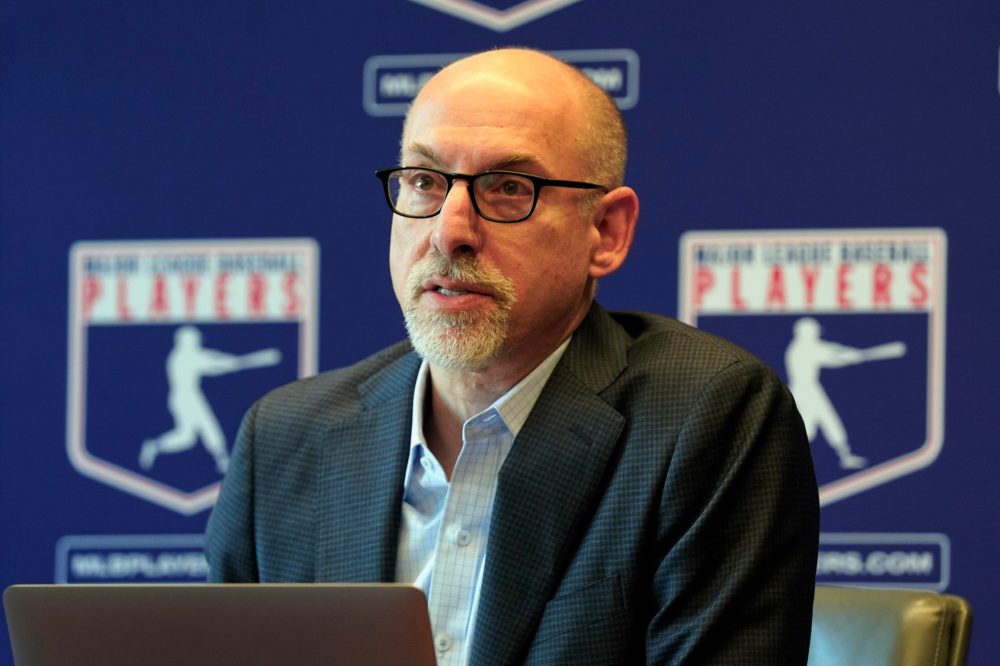
Bruce Meyer will guide the union’s negotiating efforts, reprising his role from 2021-22 but now serving as interim union leader. He was promoted from deputy director in February following Tony Clark’s forced departure. Clark, a former All-Star first baseman, had led the union since Michael Weiner’s death in 2013.
Deputy Commissioner Dan Halem will again head MLB’s negotiating team, continuing his role from the previous two contract discussions.
Several major league team owners have advocated for a salary cap structure that includes both a ceiling and floor, arguing it would benefit the sport overall. Unlike the NFL, NBA, and NHL, MLB has operated without a cap system, instead relying on a luxury tax implemented in 2003 to discourage excessive spending.
“When I talk to the players, I don’t try to convince them that a salary cap system would be a good thing,” Manfred explained to the Baseball Writers’ Association of America last summer. “I identify a problem in the media business and explain to them that owners need to change to address that problem. I then identify a second problem that we need to work together and that is that there are fans in a lot of our markets who feel like we have a competitive balance problem.”
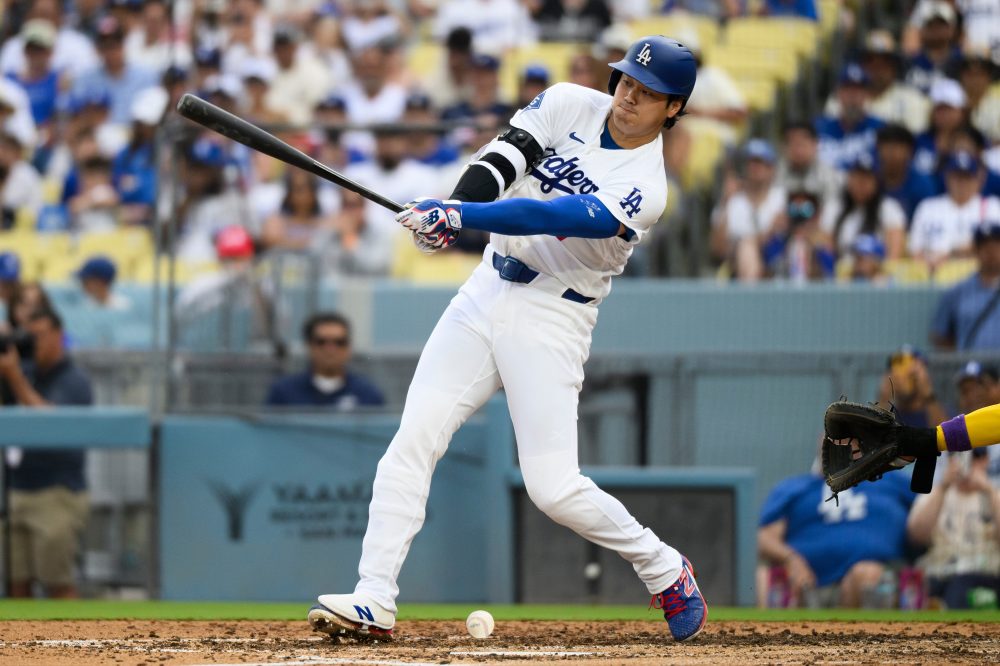
Current spending restrictions haven’t significantly impacted teams like the Los Angeles Dodgers and New York Mets in recent seasons. The Dodgers broke MLB’s spending records with a total of $515 million in payroll and luxury tax payments last year while capturing their second consecutive World Series championship, based on final calculations from the commissioner’s office. Los Angeles is projected to lead spending again in 2026. The gap between the five biggest spenders and five lowest spenders grew from 3.6 in 2021 to a record 4.7 last year.
The players’ union contends that cap systems reduce overall player compensation, while team management claims that both caps and floors would help the majority of players.
Players have built up their potential strike fund of cash and investments to $415 million entering 2026. MLB has similarly been stockpiling resources for negotiations, accumulating roughly $75 million per team through withheld central fund payments.