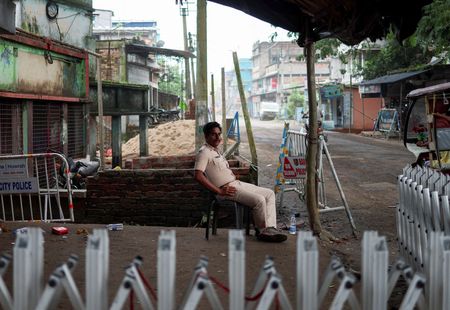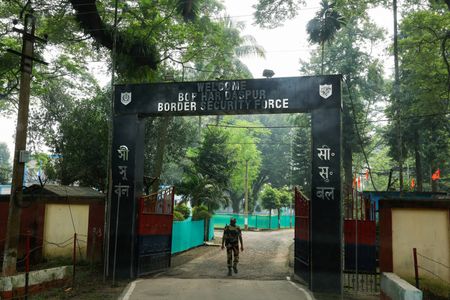

DHAKA, May 26 – Border security forces in Bangladesh have stepped up patrol operations and initiated community outreach efforts along sections of the India-Bangladesh frontier amid worries that India is unlawfully pushing individuals across the border, according to government officials.
The ruling Bharatiya Janata Party in India, which controls the frontier states of Tripura, West Bengal and Assam, has indicated it plans to address unauthorized migration as a key objective.
This month, India’s foreign ministry informed journalists that the country has requested Bangladesh confirm the citizenship status of over 2,860 individuals believed to be Bangladeshi nationals residing unlawfully within India’s borders. India’s foreign ministry did not provide a response to requests for comment on Tuesday.
The 60th Battalion of Border Guard Bangladesh initiated outreach efforts on Sunday in frontier regions of the Brahmanbaria district, employing loudspeakers to alert local populations and encourage them to watch for efforts to force people across the boundary.
“We have started miking in border villages to raise awareness among residents and ask them to stay vigilant against any illegal crossings or push-in attempts,” Lieutenant Colonel S. M. Shariful Islam, commander of the battalion, told Reuters.
“Our patrols and surveillance have been strengthened across the border areas. Intelligence operations are also continuing to prevent illegal push-ins, human trafficking, and the smuggling of drugs and other goods,” he said.
The frontier between Bangladesh and India extends for more than 4,000 kilometres (2,485 miles), representing one of the world’s most extensive land boundaries.
Three administrative areas within Brahmanbaria district in eastern Bangladesh encompass approximately 73 kilometres of the frontier with India’s Tripura state.
India’s northeastern Assam state, which borders Bangladesh, has since May 2025 forced hundreds of individuals back into Bangladesh from among the 30,000 people that legal tribunals have determined to be non-citizens. Multiple human rights organizations have stated that officials have randomly expelled people from the nation.
The government in Dhaka has consistently stated that any deportation process must adhere to established diplomatic protocols and has cautioned against one-sided forced movements across the frontier.