
American families are jumping on back-to-school sales earlier than ever this summer, scooping up deals on backpacks, electronics, and other school necessities even as rising food and gas prices leave many households feeling the pinch.
Amazon.com, Walmart, Target, and Best Buy have all launched their back-to-school promotions ahead of their usual schedules, stretching what used to be a late-summer shopping window into a full summer sales season. Events similar to Amazon Prime Day have become an unofficial starting gun for back-to-school spending, with retailers aggressively competing for shoppers watching their wallets.
The early bargain hunting reflects growing stress among households dealing with higher everyday costs and increasingly expensive school supplies.
Parents are looking for discounts on the basics while still budgeting for trend-driven items — from customizable pencil cases, erasers, and bento lunch boxes to JanSport and North Face Borealis backpacks, Stanley and Owala water bottles, and dorm accessories trending on TikTok and Instagram.
Julie Kelley, founder of a media consulting company in Vermont and mother of an 11-year-old, described how rising costs are shaping her spending habits. “With the kind of higher gas prices and higher food prices, I am definitely more aware of how I am going to spend my money heading toward back-to-school. I tend to be a consumer who chooses wisely versus just shops for a lot of things,” she said.
According to PwC, families are expected to spend an average of about $922 on back-to-school shopping this year — roughly 47% more than in 2025, with part of that increase tied to higher prices linked to the Iran war. The back-to-school season accounts for about 2.3% of all annual U.S. retail sales, with approximately $128.2 billion spent in 2025, according to the NRF.
Children’s input is also playing a bigger role in what ends up in the shopping cart. Kelly Pedersen, PwC’s global retail leader, noted that about 61% of households plan to let their children add products directly to online carts after finding them on social media.
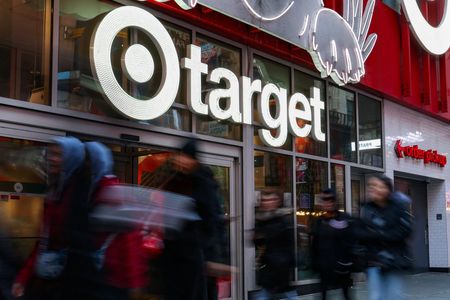
Target said its June sales event gave shoppers a head start on trending back-to-school items. Amazon confirmed it had deals in its back-to-school and college categories but did not provide additional details.
Shoppers were also purchasing higher-priced electronics and clothing, where discounts were steepest during late June Prime Day promotions, according to Adobe Analytics. Those categories have faced inconsistent demand as household budgets have tightened.
The move toward online shopping continues to grow, with Amazon and Walmart leading the way. PwC expects the share of consumers planning to shop in-store for back-to-school items to drop to about 70% this year, down from 79% last year.
Together, the two retail giants captured about 71 cents of every new dollar spent online in 2025, according to Morgan Stanley, as both expanded delivery options and product selections to attract shoppers.
Walmart’s four-day deals event last month featured small appliances aimed at college students in dorms and bulk classroom supplies for teachers. The retailer said it will also stock back-to-school supplies closer to the actual start of school, from mid-August through early September.
Jeffrey Degner, a research fellow at the American Institute for Economic Research, explained what that timing means for retailers. “That’s the time then for retailers to make a value play on the less trendy items,” he said. “We’re going to see a lower-margin timeframe when it comes to August and September.”