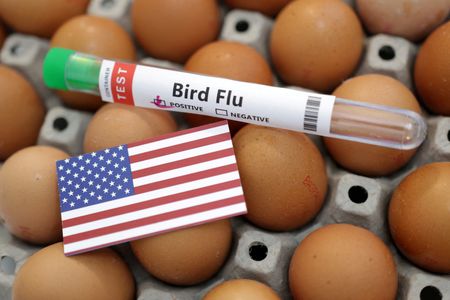

Pennsylvania officials are dealing with a catastrophic avian influenza outbreak that has killed 7.4 million chickens across the state in just the past month, marking one of the most severe losses the region has experienced.
The massive die-off continues a nationwide bird flu crisis that started four years ago and has now claimed 196 million birds across the United States. This highly contagious virus, typically carried by migrating wild birds, has also jumped to farm workers and affected poultry and other animals worldwide.
“We are obviously in crisis mode,” Pennsylvania Governor Josh Shapiro declared during a public forum this week, emphasizing that infections were happening “dramatically earlier in the season than what we expected.”
According to Shannon Powers, a spokesperson for the Pennsylvania Department of Agriculture, snow geese and other wild birds that remained in Pennsylvania through the winter months are believed to be the source of the poultry outbreaks.
The state ranks as America’s fourth-largest producer of eggs, making these losses particularly significant for the national food supply.
Experts believe this winter’s extreme cold played a crucial role in the outbreak’s severity. Dr. Megan Lighty, a veterinarian with Penn State University, explained that the harsh temperatures likely forced wild birds away from their usual habitats as rivers and ponds froze over.
“The theory is that they were looking for sources of food and may have ventured closer to farms than they normally would,” Lighty explained on Friday, though she noted she couldn’t definitively confirm this scenario occurred.
The hardest-hit area has been Lancaster County, located roughly an hour west of Philadelphia, where numerous farms operate in close proximity to each other.
Chris Herr, who serves as executive vice president of PennAg, a Pennsylvania agricultural business association, observed unusual bird behavior this winter. “We had birds in this area maybe a little bit earlier than we normally would have had,” Herr said, referring to the wild bird populations.
“In some cases, they got stuck here. They were looking for open water,” he added.
Historically, poultry farms face the greatest risk of viral infections during spring and fall seasons when waterfowl migrate through the region.
However, 2025 has broken that pattern. Pennsylvania recorded its first commercial outbreak of the year in February, ending more than a year without any reported cases, according to federal government data. The current surge began when a farm housing 1.5 million egg-laying hens reported an infection in late January, following a positive test at a commercial duck operation in December 2025.
Standard protocol requires the destruction of all birds at any infected facility. Since January 28, Pennsylvania farms housing more than 7 million birds combined have confirmed outbreaks, federal data shows.
Looking ahead, Dr. Lighty expressed concern about what spring migration season might bring. “If things are this bad now, once spring migration starts and we’ve got more birds moving through the area… my gut feeling is it’s probably going to get worse,” she warned.