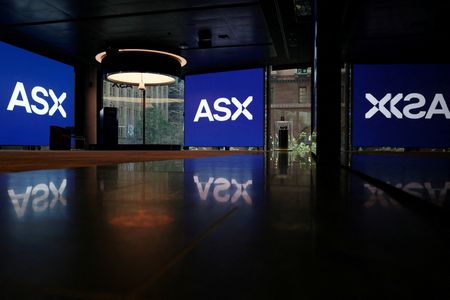

The Australian stock exchange operator experienced its steepest stock decline in over a decade on Tuesday after announcing plans for substantial technology spending increases that will drive up costs in 2027.
The company’s shares dropped more than 12% following the announcement, representing the worst single-day performance since August 2012. The operator disclosed that overall expenses would climb by as much as 21% in 2027 compared to the prior year.
Capital spending projections were revised upward to between A$180 million and A$200 million ($128.97 million to $143.30 million), an increase from the previously estimated A$160 million to A$180 million range. For 2028, capital expenditures are anticipated to fall between A$170 million and A$190 million.
The dramatic cost increases stem from multiple technology initiatives, including system upgrades, artificial intelligence investments, enhanced internal systems and automation improvements. Additional expenses will result from operating both legacy and updated systems simultaneously during the transition period.
Regulatory compliance is also driving higher spending. The Australian Securities and Investments Commission released findings in April documenting various operational failures, budget overruns, and delayed technology upgrade schedules at the exchange operator.
The regulatory report concluded that the company had focused on maximizing shareholder returns while implementing short-term fixes rather than solving underlying operational problems.
In response to the criticism, the exchange operator stated: “Final ASIC Inquiry Panel Report identified historical underinvestment compared to global peers, which ASX has committed to address with a faster pace and greater ambition.”
The projected expense growth of up to 23% for 2026 incorporates costs related to addressing the regulatory investigation findings.
Trading data showed shares fell as low as A$51.40, down 12.6%, while the broader ASX200 index declined only 0.4% as of 0315 GMT.
Despite the spending increases, the exchange operator maintained its previously reduced dividend payout ratio of 75% to 85% of underlying net profit after tax. The company also reported that preliminary revenue for the ten months ending April 30 increased 12.5% to A$1.03 billion.