
An outgoing Federal Reserve official is sounding the alarm that America’s robust economic performance may require continued high interest rates to prevent runaway inflation.
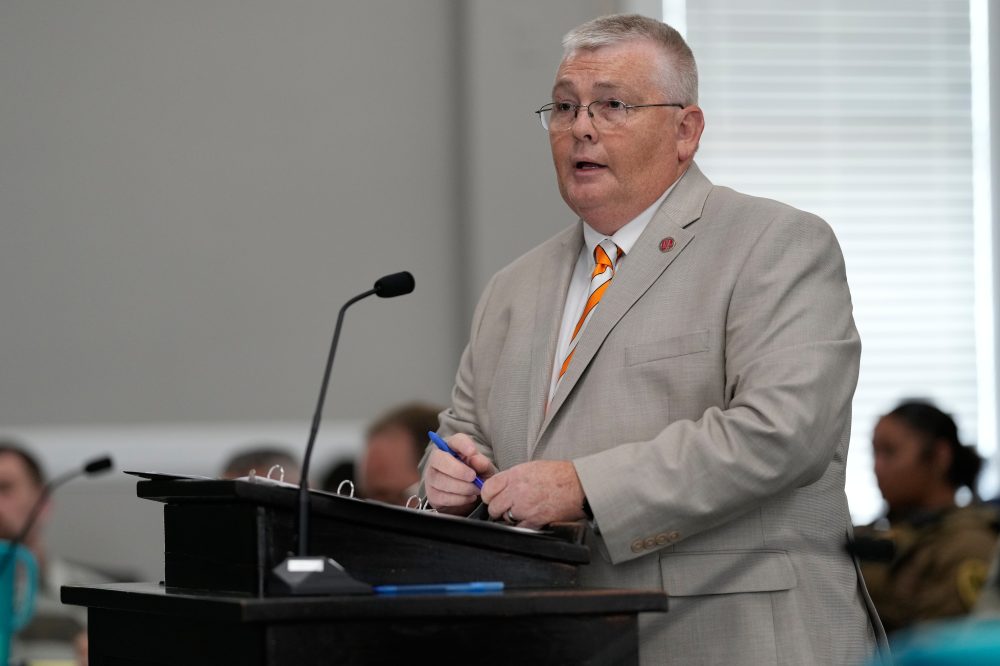
Atlanta Federal Reserve President Raphael Bostic described last year’s 2.2% economic growth as impressive, calling it “a pretty strong number” during remarks Friday at an economic forum in Birmingham, Alabama. However, he cautioned that such vigorous expansion could complicate efforts to bring inflation under control.
“Our economy has remained remarkably resilient,” Bostic noted, projecting that growth will climb to 2.4% in the coming year. This forecast exceeds what he believes represents the economy’s natural capacity for expansion.
The Fed official expressed particular concern about inflation implications, stating: “What that means is that we have to worry about the implications for prices on a strong economy.” With inflation hovering around 3%, he emphasized it remains “a long way” from the Federal Reserve’s desired 2% benchmark.
Bostic argued it would be “prudent” for the central bank to maintain restrictive interest rates that could slow economic activity and help drive down stubbornly high prices that have shown minimal improvement in recent months.
The Atlanta Fed president, who is stepping down this month after attending his final policy meeting in January, highlighted how remarkable the economic performance has been despite significant challenges. He praised the growth figures given “all the turbulence we’ve seen, with the disruptions in trade relationships, and the uncertainty around where policy will land.”
Friday’s economic data revealed that while fourth-quarter growth disappointed at 1.4%, the full-year expansion of 2.2% surpassed what Bostic considers the economy’s sustainable growth rate of approximately 1.8% annually. This figure aligns with projections from his Federal Reserve colleagues.
When economic growth significantly exceeds this threshold, it typically drives up prices, Bostic explained, making a case against reducing interest rates. His perspective contrasts with incoming Fed chair nominee Kevin Warsh, who has suggested that emerging productivity gains could allow for faster economic growth without triggering inflation.
Bostic’s comments highlight an evolving discussion within the Federal Reserve about whether advancing artificial intelligence technology might be reshaping the economy’s fundamental growth capacity and what that could mean for future price stability.