
BANGKOK (AP) — Asian nations are confronting a deepening energy crisis as their initial emergency responses to the Iran conflict prove inadequate, with more severe economic consequences now emerging.
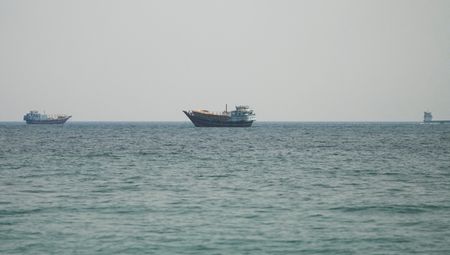
When hostilities began, regional governments rushed to address the blockade of the Strait of Hormuz, a vital shipping lane for Asian energy supplies. Officials implemented emergency strategies including conservation measures that slowed business operations, redirected natural gas from industrial uses to residential needs, and depleted strategic energy reserves for short-term stability.
However, these emergency responses were designed for a brief conflict that would allow energy shipments to resume quickly. That scenario has failed to materialize.
As the war continues indefinitely, the energy shortage is spreading throughout regional economies. Transportation costs, freight charges, and energy bills are surging, threatening economic stability. The United Nations Development Program warns that approximately 8.8 million people face the risk of falling into poverty, while the conflict could generate $299 billion in economic damage across the Asia-Pacific area.
“The countries with the least resources to respond, or the consumers who can least afford to pay, are the ones who feel everything first,” said Samantha Gross of the U.S.-based think tank Brookings Institution.
Regional governments structured their fiscal plans expecting oil to cost approximately $70 per barrel on average. Energy subsidies helped maintain stable fuel pricing. However, the conflict drove Brent crude prices to peaks of roughly $120 per barrel.
Officials now confront a difficult decision between continuing expensive subsidies that burden government budgets, or eliminating them to transfer increased costs to citizens, potentially triggering public unrest, explained Ahmad Rafdi Endut, a Kuala Lumpur-based independent energy analyst.
In India, initial efforts to redirect fuel supplies toward cooking gas for approximately 330 million households reduced availability for fertilizer manufacturing. Rising fertilizer costs combined with meteorologists’ predictions of poor rainfall during an El Niño year create concerns for the world’s top rice exporting nation.
India has used subsidies to protect its 1.4 billion citizens so far, but on Sunday, Prime Minister Narendra Modi called on residents to purchase domestic products and reduce international travel to conserve foreign currency. He also promoted working from home and using public transportation to decrease fuel usage, while asking farmers to reduce fertilizer consumption by half.
The Philippines rapidly implemented a four-day work schedule to conserve fuel. The country also introduced targeted financial assistance for lower-income families. Nevertheless, Fitch Ratings observed that most consumers continue facing elevated energy expenses, leading to reduced business operations in major urban areas like Manila.
Thailand eliminated its diesel price controls less than one month into the conflict as fuel subsidies were depleted. The country is now reducing other expenditures to handle increased oil costs while attempting to maintain fiscal discipline.
Vietnam extended its suspension of fuel taxes to reduce domestic price pressures. Jet fuel shortages have resulted in flight cancellations. Since tourism represents nearly 8% of Vietnam’s gross domestic product, these disruptions impact the broader economy.
“Business is not good right now,” said Hanoi-based tour guide Nguyen Manh Thang. “There are already fewer tourists.”
Fuel shortages have forced financially strained nations like Pakistan and Bangladesh to purchase oil and gas at spot market rates, which typically exceed long-term contract prices and show greater volatility. This increases import expenses and strains their already limited foreign currency reserves.
Governments can maintain expensive fuel subsidies by reducing spending on other priorities such as social programs, or increase borrowing and risk higher inflation, Endut explained from Kuala Lumpur. Alternatively, they can decrease subsidies and transfer higher costs to consumers, potentially angering constituents.
After subsidies are depleted and inflation begins climbing, nations could encounter what he described as a “fiscal time bomb.”
The conflict’s conclusion will not provide immediate relief to Asia.
Global oil and gas commerce will not recover immediately, and restarting production will require time, Gross from the Brookings Institution noted. Rebuilding damaged infrastructure, reactivating facilities, and accounting for shipping time from the Middle East to destination markets will require weeks or potentially months.
Europe will experience similar effects to Asia, but with approximately a four-week delay, according to experts.
Americans are also experiencing pressure as gasoline prices increase nationwide. However, Southeast Asia remains the “biggest pain point,” according to Henning Gloystein of the Eurasia Group consultancy firm.
“This fuel shortage situation is going to get worse,” he stated.
In Africa, elevated energy and import expenses are similarly pressuring budgets, expanding deficits, and increasing inflation. The conflict is also affecting Latin America and the Caribbean, where economic growth is expected to decelerate slightly.
The complicated disruptions throughout global supply networks will continue creating broader consequences, cautioned Ted Krantz, CEO of supply chain risk company Interos.ai.
The crisis also demonstrates the vulnerability of Asia’s expanding middle class, according to Maria Monica Wihardja of the Singapore-based ISEAS-Yusof Ishak Institute, with numerous individuals at risk of returning to poverty.
The energy disruption will transform Southeast Asia’s economies gradually, she explained, including changes in employment markets and how nations prepare for future energy emergencies.
Nations are already discussing and implementing long-range solutions, such as diversifying fossil fuel sources, advancing nuclear energy, and developing renewable options like solar power.
The conflict is placing geopolitical risk at the center of Southeast Asia’s economic projections and directly hampering regional growth, stated Albert Park of the Asian Development Bank.
“The longer it lasts, the larger those negative effects would be,” he concluded.