
Markets across Asia posted gains Friday as investors reacted to prospects of a potential agreement between the United States and Iran to prolong their existing ceasefire for an additional 60 days.
Petroleum prices declined on growing confidence about conflict de-escalation, though they continue trading well above levels seen before hostilities began. Market experts cautioned that any potential ceasefire prolongation should be approached carefully, noting that petroleum supply restoration will require significant time.
Futures markets in the United States showed slight declines.
Japan’s Nikkei 225 surged 1.8% to reach 65,814.96 following Friday’s release of data indicating Tokyo’s core inflation rate for May increased at a slower pace than economists had predicted.
The Kospi in South Korea climbed 2.3% to 8,369.81.
These two major indices are currently trading close to their all-time peak values.
The Hang Seng in Hong Kong rose 0.4% to 25,098.68, while Shanghai’s Composite index declined 0.2% to 4,092.22.
The S&P/ASX 200 in Australia increased 1% to 8,681.80.
Taiwan’s Taiex showed gains of 2.3%.
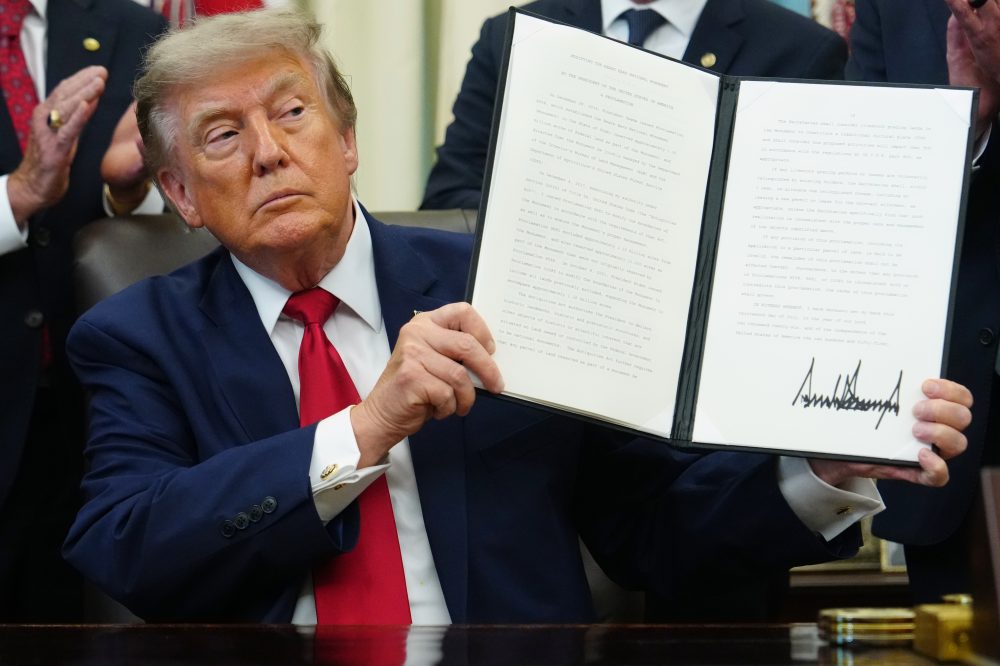
Representatives from the United States and Iran achieved a preliminary agreement Thursday regarding ceasefire extension and scheduling fresh discussions about Iran’s nuclear program, according to a U.S. official. Iran had not yet publicly acknowledged the agreement, and the preliminary deal still required approval from U.S. President Donald Trump.
Brent crude, the global benchmark, dropped 0.8% in early Friday trading to $91.97 per barrel. This commodity was priced around $70 per barrel in late February prior to the conflict’s start. U.S. benchmark crude decreased 1.2% to $87.85 per barrel.
Market participants are monitoring closely for potential reopening of the Strait of Hormuz. The U.S. official indicated the preliminary agreement specifies that Iran would be prohibited from charging fees to vessels passing through the strait, while the United States would progressively remove its maritime blockade of Iranian ports.
“The oil market continues to edge lower amid growing optimism that the U.S. and Iran are moving toward a deal,” ING commodities strategists Warren Patterson and Ewa Manthey wrote Friday. “A reopening of the strait would offer some immediate relief to the oil market with tankers leaving the Persian Gulf. However, the recovery is still uncertain.”
Vessel operators may hesitate to dispatch ships into the Persian Gulf initially due to concerns that the ceasefire might collapse, they noted. Additionally, restoration of oil and gas production would probably occur gradually rather than immediately.
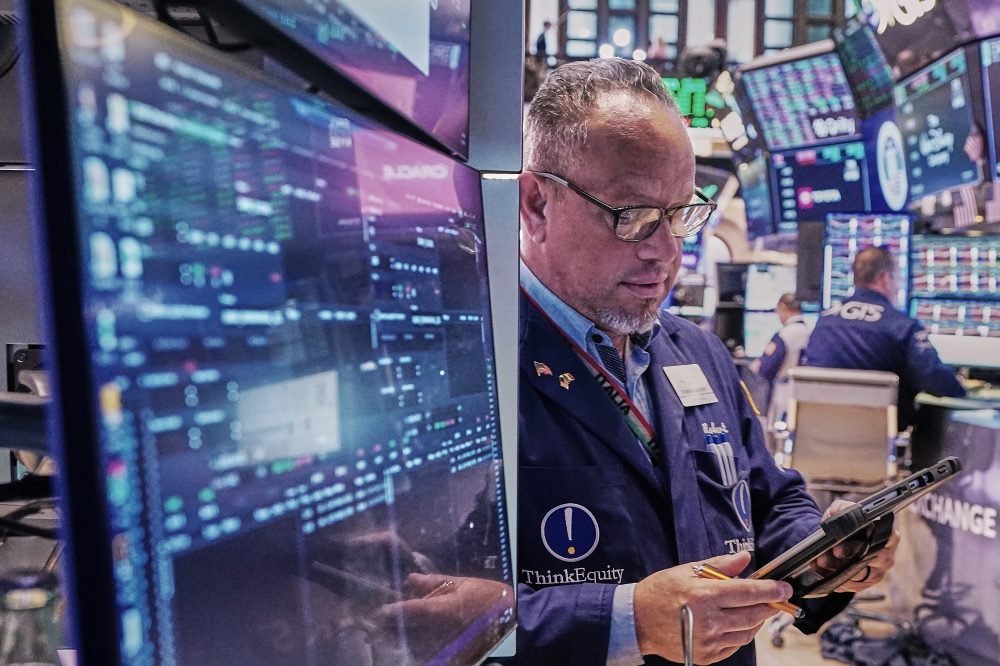
Wall Street achieved new records Thursday with the benchmark S&P 500 reaching another all-time peak, advancing 0.6% to 7,563.63. The Dow Jones Industrial Average increased less than 0.1% to 50,668.97, while the technology-focused Nasdaq composite rose 0.9% to 26,917.47.
Dollar Tree discount retail chain stock jumped 17.9% following its report of better-than-expected earnings, while department store chain Kohl’s surged 20.6% after also delivering results that exceeded forecasts.
In early Friday currency trading, the U.S. dollar strengthened to 159.30 Japanese yen from 159.24 yen. The euro declined to $1.1646 from $1.1651.