
Asian financial markets experienced devastating losses on Wednesday as escalating tensions in the Middle East sent shockwaves through global trading centers, with South Korea bearing the brunt of investor panic.
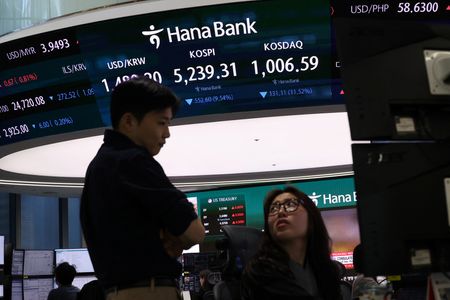
The South Korean Kospi index crashed 12% in what marked the exchange’s most catastrophic single-day performance in history. Meanwhile, Japan’s Nikkei and Taiwan’s primary stock gauge each dropped approximately 4% as the crisis spread across the region.
The Korean currency plummeted to its weakest position in nearly two decades, while Seoul and multiple other Asian trading hubs were compelled to halt operations intermittently due to the severity of the market rout.
Manufacturing powerhouses throughout Asia face significant vulnerability to energy imports from Middle Eastern nations, making both the price increases and supply disruptions particularly concerning for these economies.
Despite the Asian turmoil, other global markets showed signs of stabilization as investors paused to assess developments. U.S. and international Brent crude prices climbed an additional 3%, though they remained below Tuesday’s peaks of 8 months and 19 months respectively.
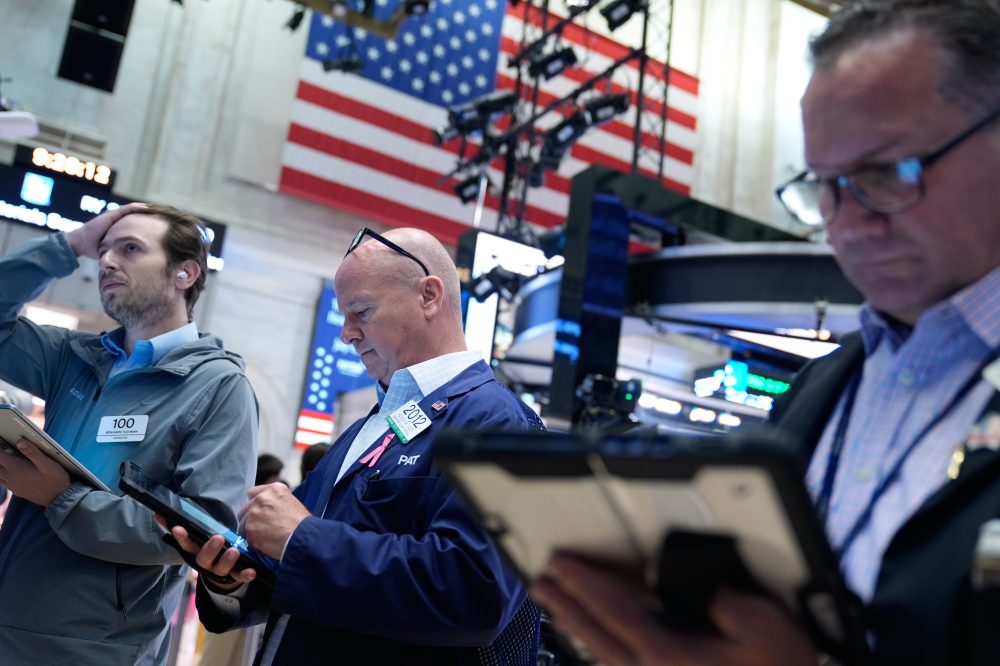
European equities gained roughly 0.5% in what appeared to be a temporary respite following two consecutive days of substantial declines. American stock futures also edged slightly higher, while the dollar’s recent surge leveled off, even as government bond yields continued their upward trajectory.
Precious metals, including gold, which surprisingly declined during this week’s geopolitical turmoil, recovered some ground Wednesday as the urgent demand for cash subsided.
President Trump revealed initiatives to offer shipping insurance and potential naval protection for energy shipments departing the effectively blockaded Gulf region. While these measures may provide marginal relief, their implementation could require considerable time to generate meaningful results. Global markets questioning when energy supply disruptions will end are now considering timelines measured in weeks rather than days.
The Iranian conflict and broader regional instability remain highly unpredictable. Market attention has shifted to succession plans for Supreme Leader following Ayatollah Ali Khamenei’s death last weekend. Some investors found encouragement in a New York Times report indicating Tehran officials secretly contacted Washington over the weekend regarding potential conflict resolution.
However, investors hoping for calm seas once Gulf tensions subside face numerous other concerns, including growing anxiety about private credit funds managed by firms such as Blackstone and BlackRock.
Wednesday’s economic calendar returns focus to standard indicators, featuring ADP’s private employment data and ISM’s services sector analysis. The employment figures may receive heightened scrutiny ahead of Friday’s comprehensive U.S. jobs report.
European natural gas prices have skyrocketed this week due to Middle Eastern supply disruptions, particularly from Qatar, reaching three-year highs nearly 20% above last year’s levels. As the Iranian situation develops, Europe enters spring with gas reserves significantly below five-year averages, though EU officials stated Wednesday they see no immediate threat to natural gas security.
Key Wednesday events include U.S. February ADP employment data at 8:15 AM, February services sector surveys between 9:45-10:00 AM, the Federal Reserve’s latest Beige Book release, and Broadcom’s corporate earnings report.