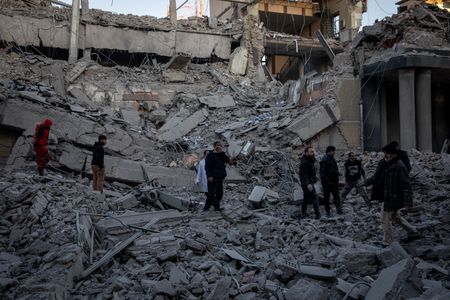

Constitutional law scholars and international legal experts are scrutinizing the legal foundation for major U.S. military operations against Iran that have targeted more than 1,000 locations and resulted in numerous high-ranking casualties, including Supreme Leader Ayatollah Ali Khamenei, in joint operations with Israeli forces.
Critics argue these military actions surpass presidential constitutional powers and breach international legal standards.
TRUMP’S RATIONALE
President Donald Trump has offered multiple explanations and justifications for the military campaign. The president stated he believed Iran was preparing to attack first, describing the operations as necessary to neutralize immediate threats facing America, overseas military installations, and allied nations. However, Trump has not released specific evidence, and some assertions lack support from U.S. intelligence assessments. The president also claimed Iran was one month away from nuclear weapon capability, though he offered no proof and this statement conflicts with his June assertions that American forces had “obliterated” Iran’s nuclear capabilities.
EXECUTIVE AUTHORITY OVER MILITARY FORCES
Legal scholars suggest the Iranian operations are stretching the limits of Trump’s constitutional powers as commander-in-chief.
The Constitution grants the president command over military forces and foreign policy leadership, but reserves war declaration authority exclusively to Congress.
Previous presidents from both political parties have authorized military strikes without congressional consent when deemed in national interest, but these were typically limited in scale and duration compared to full-scale warfare — boundaries that Trump may be challenging.
Both Trump and Defense Secretary Pete Hegseth have characterized the current situation as warfare, with Hegseth describing it as “the most lethal, most complex and most-precision aerial operation in history.” Trump indicated the campaign could continue for five weeks or longer and warned of additional American casualties ahead.
Historical precedent shows Congress has authorized major military campaigns, including President George W. Bush’s Afghanistan invasion in 2001 and Iraq invasion in 2003.
1973 WAR POWERS RESOLUTION
The 1973 War Powers Resolution serves as a constitutional check on executive military authority.
This legislation permits presidential military engagement only when Congress has declared war, granted specific authorization, or when responding to attacks on American territory or forces. The law mandates regular congressional briefings, which the current administration began providing Monday.
The resolution also establishes a 60-day limit on unauthorized military operations unless extended by Congress.
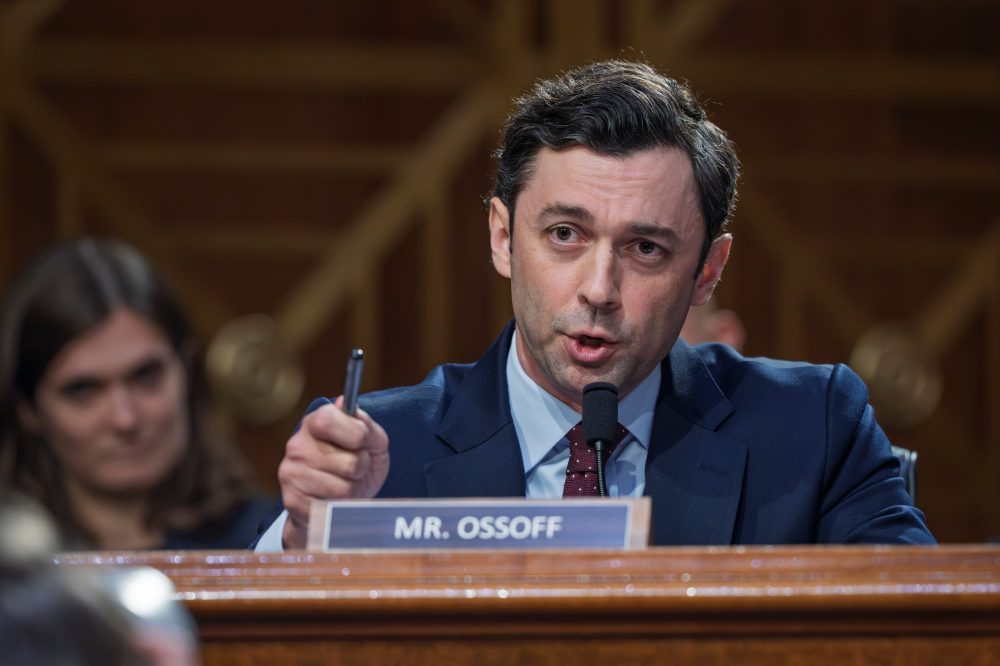
The law includes mechanisms for Congress to force military withdrawal from conflicts, and bipartisan lawmakers have announced plans to vote on such measures this week.
While such a vote would likely fall short of the two-thirds majority needed to override a presidential veto, some legislators believe it would create an important electoral record. Legal experts suggest public opposition may represent the primary constraint on Trump’s ability to continue the military campaign.
INTERNATIONAL LEGAL STANDARDS
International law experts indicate many nations will likely view these attacks as unjustified under United Nations Charter provisions requiring member states to avoid using force or threatening force against other nations. Exceptions exist for U.N. Security Council-authorized force or self-defense following armed attack, neither of which applies here.
The concept of preemptive self-defense could potentially justify American action against Iran if clear evidence existed of an imminent, overwhelming attack.
America’s Security Council veto power provides protection from U.N. action against Washington.
Legal experts note that international law violations still carry consequences, with both the United Kingdom and Spain restricting use of their military bases for these operations due to insufficient conflict justification.
KHAMENEI KILLING’S LEGAL STATUS
Legal experts describe the Supreme Leader’s killing as legally ambiguous.
Reports indicate Israel conducted the actual strike eliminating Khamenei, while America provided intelligence and operational assistance.
Republican President Ronald Reagan’s 1981 Executive Order 12333 banned anyone working for or representing the U.S. government from participating in assassinations, including intelligence community involvement.
However, actions that might constitute assassination during peacetime could represent legitimate warfare during armed conflict, according to legal scholars.
Regarding Khamenei, legality would partially depend on whether America was at war when he was killed and whether he qualified as a military commander.