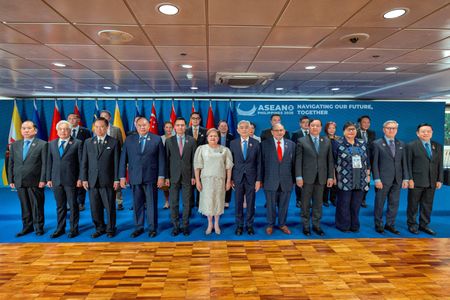

Diplomatic tensions stretching from the Middle East to Southeast Asia are converging this week as foreign ministers from the Association of Southeast Asian Nations and their key global partners convene in Manila for high-stakes talks.
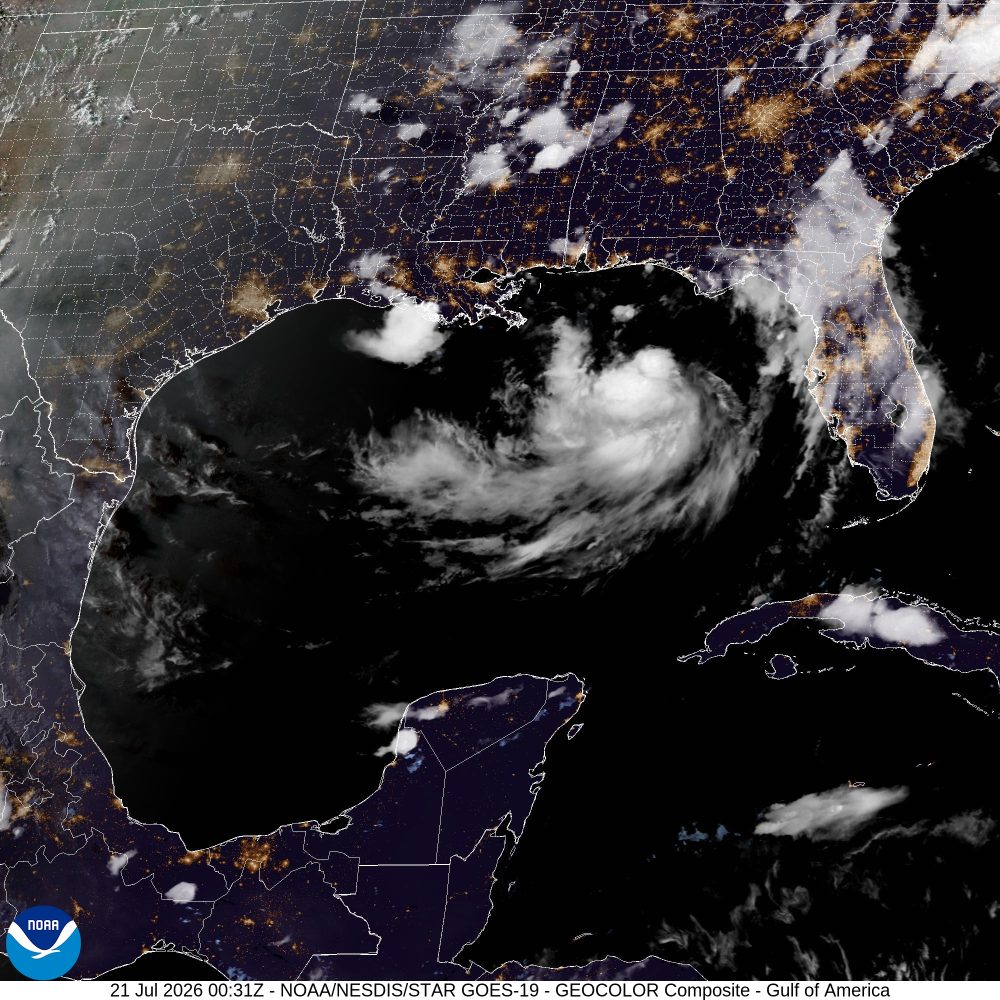
The resumption of open hostilities between the United States and Iran has added a new layer of concern to the regional gathering, with worries mounting over potential disruptions to energy shipments through the Strait of Hormuz, along with the broader effects on inflation and global economic growth.
Dominic Xavier Imperial, a spokesperson for the Philippines — the host nation — confirmed that the Middle East crisis will be a prominent topic throughout the meetings. “We’re looking at several occasions where they can raise this very, very critical topic,” he said.
Still, the 11-member bloc’s diplomats are also facing significant challenges in their own backyard. Ongoing maritime disputes in the South China Sea remain unresolved, with ASEAN and China still working toward a finalized code of conduct for the contested waters.
Myanmar’s devastating civil war is also expected to dominate discussions. ASEAN’s peace initiative, launched five years ago following a military coup that sent the country into chaos, has struggled to make meaningful progress. The conflict has claimed an estimated 100,000 lives. ASEAN foreign ministers are scheduled to hold an informal consultation specifically on Myanmar on July 22, according to Imperial.
U.S. Secretary of State Marco Rubio and Chinese Foreign Minister Wang Yi are both expected to join the broader ASEAN-led meetings in the coming days, and officials have noted the possibility of a bilateral meeting between the two on the sidelines. Other nations attending include India, Japan, Australia, South Korea, Russia, Britain, and the European Union, among others.