
Arkansas is pressing ahead with its plan to prohibit the use of government food assistance benefits for purchasing candy and soda, with the restriction set to take effect Wednesday — even after a federal judge last week struck down nearly identical programs in other states as unlawful.
Gov. Sarah Huckabee Sanders announced the decision Monday, pointing to what she called an urgent “chronic disease epidemic” gripping the country, including rising rates of obesity, diabetes, and heart disease.
She highlighted what she described as a contradiction happening within the state’s own Department of Human Services building: “On one floor of the state’s Department of Human Services, our state has been approving food stamp purchases for soft drinks and candy, while on another floor, our state’s Medicaid program is paying to treat the chronic diseases those products can help create.”
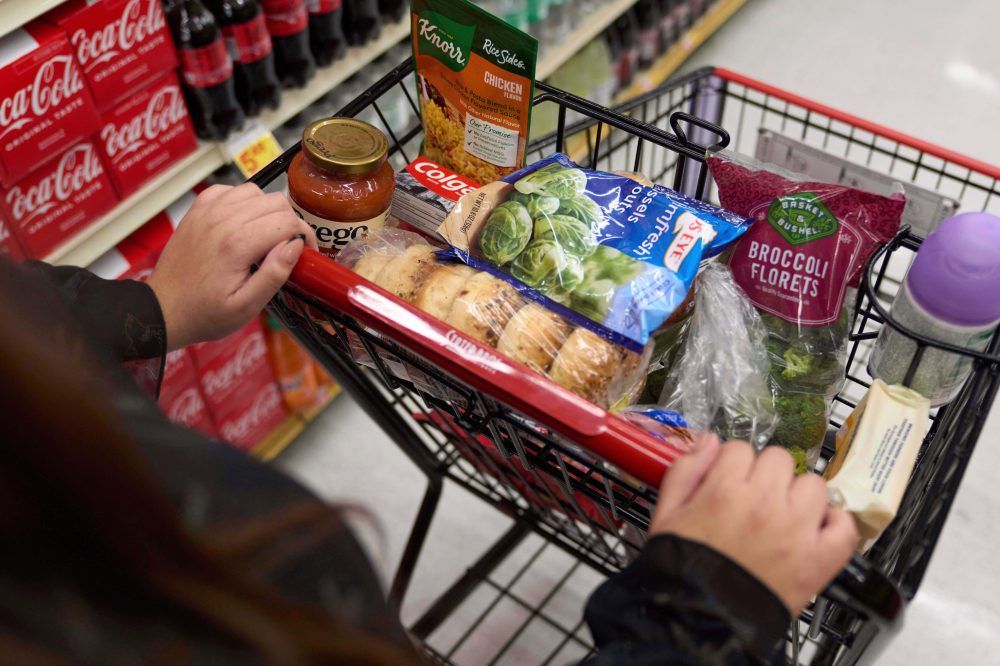
“Food stamps” is a commonly used older term for the Supplemental Nutrition Assistance Program, known as SNAP. The program is federally funded and state-administered, offering monthly grocery stipends to low-income households. It currently serves close to 42 million Americans — roughly one out of every eight people in the country.
The governor’s office pointed to research from Stanford University suggesting that limiting sugary drink purchases through food assistance could lower rates of obesity and type-2 diabetes. That said, the broader body of research on whether SNAP purchase restrictions actually improve people’s diets and overall health remains inconclusive.
The debate over what foods should and shouldn’t qualify for SNAP purchases has been ongoing at both the state and federal levels for years. Currently, SNAP benefits cannot be used on hot, prepared foods. However, a bipartisan group of U.S. senators has put forward legislation that would allow SNAP recipients to purchase rotisserie chicken from grocery stores.
Arkansas is among 23 states that have received a federal waiver permitting them to limit purchases of certain sugary foods and beverages with SNAP benefits. Health and Human Services Secretary Robert F. Kennedy Jr. and Agriculture Secretary Brooke Rollins have both championed these restrictions as part of the “Make America Healthy Again” initiative. While the overall goal is similar across states, the specific rules differ — some states are targeting both candy and sugary drinks, while others are focused solely on sugary beverages.
Last week, U.S. District Judge Amy Berman Jackson in Washington threw out the federal approval of pilot programs that had enabled SNAP purchase restrictions in Colorado, Iowa, Nebraska, Tennessee, and West Virginia. The judge clarified that her ruling was not a judgment on whether the restrictions themselves were a good idea, but rather that the projects weren’t authorized under the law the USDA had cited, and that the agency failed to follow its own rules for launching a pilot program.
Arkansas is implementing its program under the same regulatory framework as the ones the judge vacated. David Super, a law professor at Georgetown University, noted that following a U.S. Supreme Court ruling last year, federal district courts typically no longer issue injunctions that apply nationwide. Even so, he said Arkansas moving forward with the program is “putting that to the extreme test.”
Sanders acknowledged the court ruling in her Monday announcement but made clear the state isn’t backing down: “Arkansas is moving full speed ahead, because we won’t wait around while our people get less and less healthy and we spend more and more taxpayer dollars trying to fix the problem.”
Steve Goode, executive director of the Arkansas Grocers and Retail Merchants Association, said he “wouldn’t want to guess” how ready the state’s retailers are to put the new rules into practice this week. “SNAP benefits in retail have been the same for years,” he said, calling the upcoming shift a “big change.”
He added that some association members with stores in other states have already gone through a similar process and that “the results have been OK.” He noted that Arkansas has eased the transition somewhat by contracting with a third-party vendor to compile a list of banned items for stores to consult — something that wasn’t done in some other states. The state has also launched a mobile app for SNAP recipients to check whether specific items are eligible for purchase under the new rules.