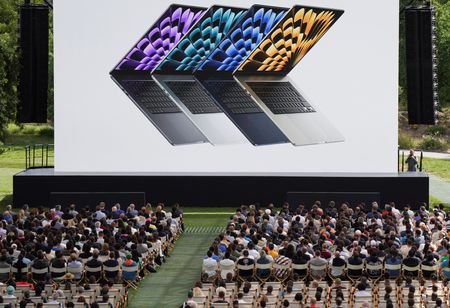

SAN FRANCISCO — Apple announced Thursday that it is raising the prices of its iPad and MacBook product lines, stating that skyrocketing memory and storage chip costs have become impossible to absorb any longer. The company attributed the surge in component prices to the massive buildout of artificial intelligence data centers across the tech industry.
The price hikes do not affect the iPhone, Apple’s top-selling product. However, the MacBook Neo — the company’s most affordable laptop, launched just months ago and designed to compete with budget Windows and Chromebook machines — will jump in price from $599 to $699.
Apple released a statement explaining its decision: “We have never seen a component price increase this much, this quickly. We have shielded our customers from these increases so far, but we have now reached a point where we need to begin raising prices on a number of products, including today’s increases for iPad and Mac.”
According to updated pricing on Apple’s website, the MacBook Air with 512 gigabytes of storage climbed from $1,099 to $1,299. The MacBook Pro with 1 terabyte of storage went from $1,699 to $1,999. The iPad Air with 128 gigabytes of storage increased from $599 to $749. Apple also bumped up prices on its HomePod smart speaker and Apple TV streaming device. Company shares slipped 0.7% in premarket trading following the announcement.
Apple had warned investors back in April that its existing inventory had helped keep profit margins above Wall Street’s expectations, but that climbing memory costs were expected to catch up by the end of June, with a slight dip in profitability anticipated.
CEO Tim Cook addressed the issue on a conference call with analysts in late April, saying, “We expect significantly higher memory costs.” He added, “Where we don’t give color beyond June, I can tell you that beyond the June quarter, we believe memory costs will drive an increasing impact on our business.”
Apple has not revealed what other measures it may be taking beyond raising prices. On Thursday, the company said, “We know this is not welcome news, and we are working tirelessly to find solutions.”
The root of the problem lies in the chip market. Prices for dynamic random access memory — the type of memory found in nearly every modern electronic device — shot up by as much as 98% in the first quarter of 2026, according to industry research firm TrendForce. Another increase of 58% to 63% is projected for the current quarter. Some industry experts have dubbed this phenomenon “RAMageddon.”
Memory manufacturers such as Micron have been prioritizing orders from AI chipmakers like Nvidia, which has helped those companies post record profits while leaving consumer electronics makers scrambling for supply. Micron announced Wednesday that it has secured $22 billion in long-term commitments from customers seeking to lock in memory supplies.
The ripple effects are expected to be severe for the broader device market. Research firm IDC projects the global smartphone market will suffer its largest-ever annual decline of nearly 14% this year, while the PC market is forecast to fall 11.3%.
Ben Bajarin, CEO of technology consulting firm Creative Strategies, offered a sobering assessment: “The memory environment is tough and remains structurally tough for the foreseeable future. We had already had signals Apple would need to raise prices, and with their supply chain as good as anyone, there is concern the rest of the industry may have to raise prices even more than Apple.”
The MacBook Neo, launched in March, had been a standout success — helping fuel Apple’s strong sales outlook for the June quarter and prompting some analysts to revise their PC sales forecasts upward. But with its price now matching the $699 Dell XPS 13 laptop — a machine Dell unveiled last month specifically to compete with the Neo — Apple’s budget laptop has lost its $100 pricing edge. It is now also more expensive than certain Chromebook models from Lenovo and Asus.