
The Associated Press has begun classifying recent military confrontations involving the United States, Israel, and Iran as warfare, citing the scale and severity of the ongoing hostilities.
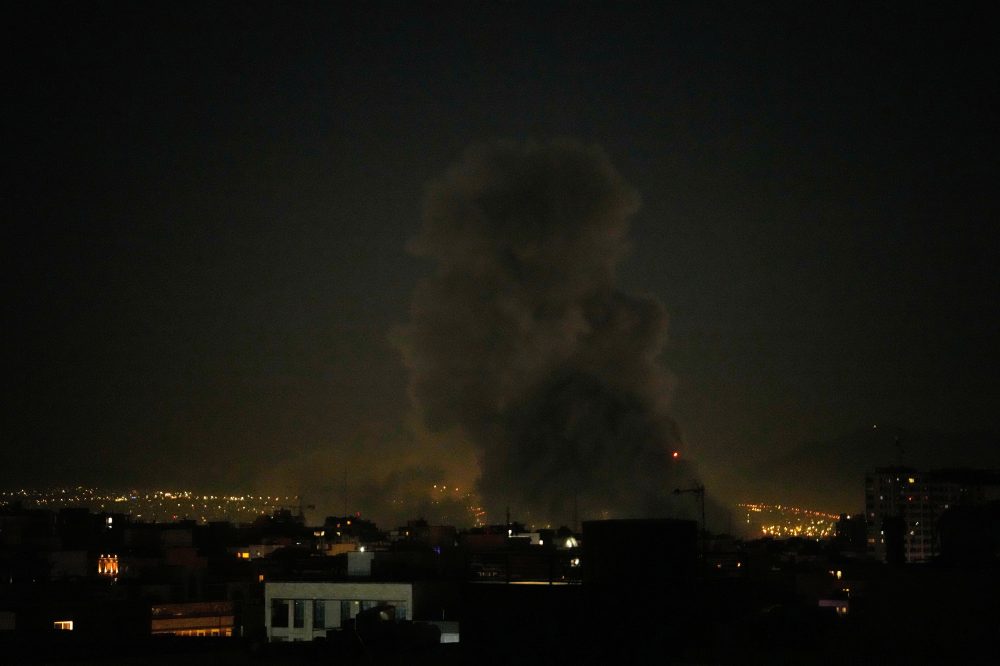
American and Israeli forces targeted critical military installations and eliminated Iran’s Supreme Leader Ayatollah Ali Khamenei along with additional high-ranking officials. Tehran responded with missile and drone attacks against Israeli territory and Gulf Arab nations housing American military personnel, while surviving Iranian leadership has promised retribution for Khamenei’s killing. These exchanges suggest that eliminating Khamenei, coupled with President Donald Trump’s demands for regime change in the Islamic Republic, may trigger extended fighting throughout the Middle East region.
According to Merriam-Webster’s definition, war encompasses ‘A state of usually open and declared armed hostile conflict between states or nations,’ or ‘a state of hostility, conflict, or antagonism.’
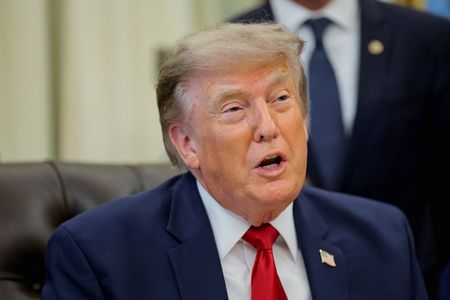
While no nation has formally announced a declaration of war, the military operations conducted by Washington and Tel Aviv, along with Tehran’s response, satisfy these parameters. The Trump administration’s decision to launch attacks alongside Israeli leadership, resulting in significant destruction and loss of life, justifies characterizing these actions and Iran’s countermeasures as warfare. Trump has personally employed the term war when discussing this confrontation.
Accurate terminology matters when reporting on military confrontations between sovereign states.
Occasionally, unilateral strikes occur without subsequent escalation, or disputes begin but fail to intensify. Labeling such scenarios as ‘war’ might reduce the term’s gravity. Consequently, when genuine warfare emerges, audiences may fail to grasp its seriousness.
The Associated Press issued editorial guidance regarding Israel’s attacks on Iran in June 2025, adopting ‘war’ terminology to characterize the hostilities following initial strikes and Iranian retaliation. The 12-day conflict significantly damaged Iran’s aerial defense systems, military command structure, and nuclear capabilities through Israeli and American bombardments.
The news organization similarly adopted war terminology for the Russia-Ukraine conflict and Israel-Hamas fighting within days or weeks of combat initiation.
Editorial decisions in these instances weighed casualty figures, combat intensity, each nation’s participation level, and how countries themselves characterized their conflicts.
The Associated Press capitalizes ‘war’ exclusively when part of official designations, which currently don’t exist for this conflict.
AP’s war terminology decisions occur as events unfold. News leadership and standards editors continuously assess developments to determine if modifications are warranted.
Currently, the fighting level constitutes warfare between these nations, regardless of future developments. Should hostilities cease quickly, AP would maintain that these countries had engaged in war.