
KOHIMA, India — Tovi Murru can’t pinpoint the exact date his family gave up cooking with gas. “It was sometime in April,” he recalls.
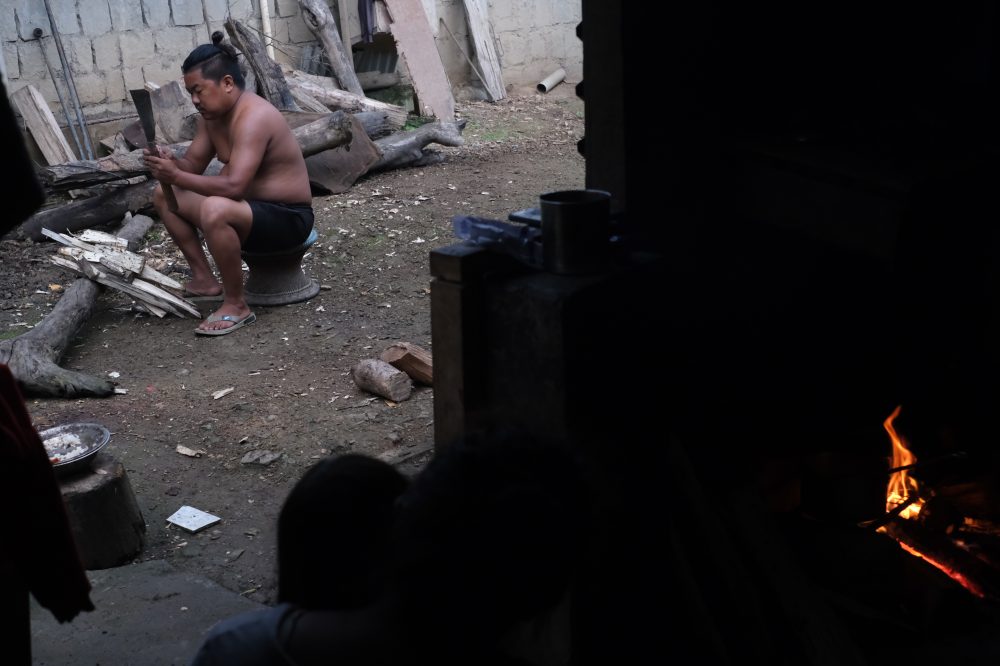
Since making that switch, the workload around his home has roughly doubled. Murru heads into the forest to collect wood from fallen trees, hauls it back, and splits it himself. He has also taken over most of the cooking duties. When the family still relied on liquefied petroleum gas, his 27-year-old wife Atoshi Ayemi handled the kitchen. But managing an open fire is simply too demanding for her, he says.
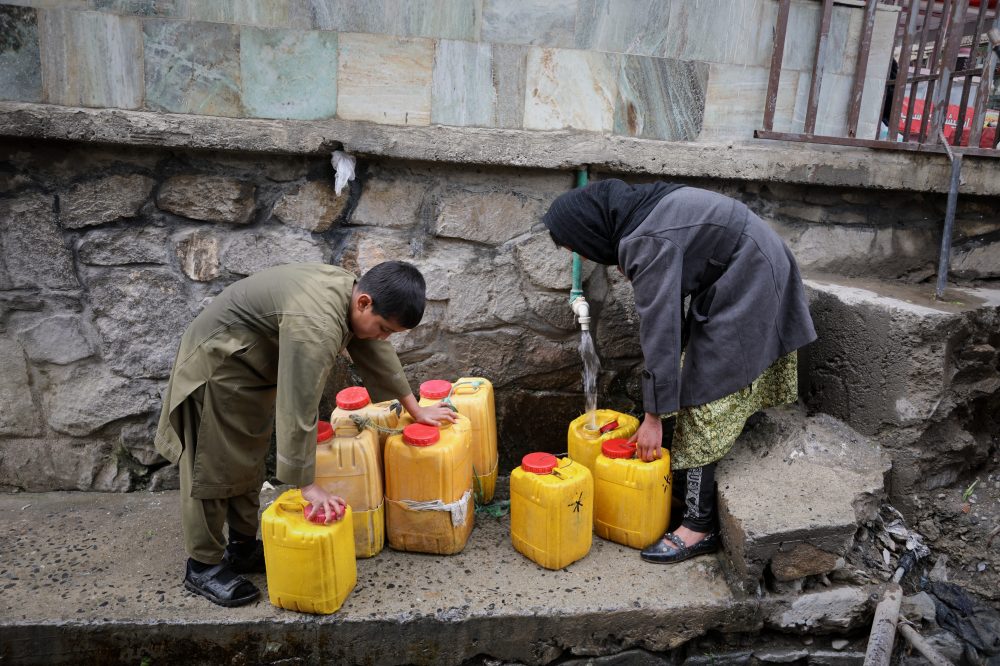
“The common person is really suffering with the rise of fuel prices. And LPG cylinders are no longer available. The few that are available are unaffordable,” Murru said.
Murru, 32, works as a driver and shares a company-provided home with his wife, their daughter, and two dogs. He acknowledges that if he had to pay rent on top of everything else, getting by would be nearly impossible right now. His monthly income is $125. When he can track down an LPG cylinder — which is increasingly rare — it costs close to a quarter of his paycheck on the black market, more than twice what it sold for before the Iran war began.
Murru proved to be a quick study at building a hearth, completing the project in under a day. He lights the fire with practiced ease and uses it to boil eggs and prepare a broth to be served alongside rice. “Azatina loves eggs,” he says, nodding toward his 3-year-old daughter.
Though Kohima sits more than 4,000 kilometers — roughly 2,500 miles — from Tehran, this small city is still feeling the consequences of the Iran war. Like many others, Murru struggles to understand why a distant conflict is disrupting daily life in his community. He is a Naga, a member of an Indigenous group with roots in northeastern India and parts of Myanmar.
Because India relies on imports for nearly 90% of its crude oil, the war has created hardships for drivers who need gasoline and for the millions of households and restaurants that depend on LPG.
Smoke from the fire irritates Atoshi’s eyes, and young Azatina’s as well. Tovi says the smoke is unpleasant, but adds, “it’s the heat from the fire that gets me,” wiping his forehead as he speaks. In a striking bit of irony, the family sets their meal out beside an empty gas cylinder.
Power outages have become a regular occurrence most evenings, leaving the couple to navigate their home using the flashlights on their mobile phones. Tovi dishes out the food, and the two dogs wait patiently nearby — their turn to eat comes next.
This report is based on a photo gallery assembled by AP photo editors.