
American diplomatic officials have expressed serious reservations about the economic strategies proposed by France’s far-right National Rally party, according to two diplomatic sources who spoke on condition of anonymity.
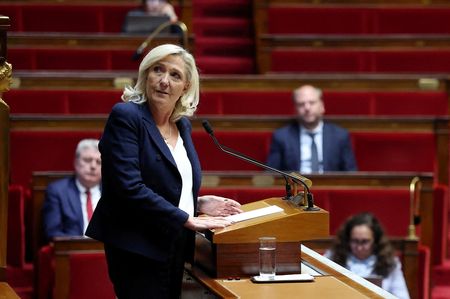
The concerns emerged following meetings between U.S. Ambassador Charles Kushner and his team with National Rally leaders, including Marine Le Pen and her 30-year-old ally Jordan Bardella. These discussions were part of broader diplomatic outreach to potential French presidential candidates ahead of the 2027 election.
The National Rally has risen to become France’s dominant parliamentary force by combining strict anti-immigration positions with populist promises to protect employment and consumer spending power. However, their traditional support for government intervention and trade protectionism has created anxiety among major French corporations and financial investors.
According to the diplomatic sources, American officials found the party’s approaches to reducing France’s substantial budget deficit, attracting U.S. investment, and stimulating economic growth to be particularly troubling. While the U.S. representatives weren’t especially impressed with any of the French political candidates they encountered, the National Rally’s economic positions stood out as especially concerning.
These diplomatic reservations mirror worries expressed by France’s business community about whether the National Rally possesses the necessary experience or knowledge to guide the heavily indebted French economy toward sustainable growth while stabilizing government finances. France’s economy currently faces sluggish expansion, elevated borrowing expenses, and a debt load reaching 115.6% of GDP – among Europe’s highest.
The National Rally has outlined economic priorities including enhancing household spending power through tax reductions, cutting government expenditures and France’s European Union budget payments, and reforming social programs to favor French citizens. However, comprehensive policy details remain absent, with critics arguing the party lacks a unified economic platform.
American officials were particularly troubled by contradictory economic messaging from the party, including their support for reversing expensive 2023 pension reforms that increased retirement ages, combined with vague strategies for deficit reduction, the sources indicated.
The party also drew criticism for supporting a budget proposal that would double a digital services tax to 6%, which Washington opposes because it primarily affects American technology companies. Though this amendment didn’t survive in the final 2026 budget, it highlighted policy disagreements.
When contacted for response, the National Rally did not reply to requests for comment regarding the American officials’ assessments. A senior aide to Bardella mentioned the party continues developing its economic program, including potentially controversial structural changes to France’s expensive pension system.
A State Department representative declined to discuss what they termed “private diplomatic exchanges.”
Business executives have previously told reporters they’re confused by conflicting economic philosophies within the party leadership, with Le Pen viewed as favoring high government spending while Bardella appears to pursue more business-friendly policies.
This internal contradiction initially helped the National Rally expand its voter base but has become problematic as the party attempts to demonstrate governing credibility, according to business leaders.
Despite electoral gains, the National Rally – historically rejected by France’s political and business establishments – continues struggling to win over major corporations.
However, signaling corporate interest in understanding the party’s economic agenda as the April 2027 election approaches, Le Pen conducted meetings with executives from luxury conglomerate LVMH, energy giant TotalEnergies, insurance company AXA, and automaker Renault on April 7, according to two additional officials.
Fund manager François Durvye, who serves as Bardella’s economic advisor, helped arrange the meeting, one official noted. The same source characterized the session as an intense question-and-answer exchange.
A senior National Rally figure described the meeting’s purpose as dispelling “the stereotypes frequently associated with our program, which actually represents the most growth-oriented and business-friendly platform across the entire political landscape.”
Questions about the National Rally’s economic competence could create electoral challenges in France and influence American decisions about whether to publicly endorse the party in 2027, when polling suggests they could achieve victory.
President Donald Trump’s administration has supported ideological partners across Europe, though with inconsistent outcomes. American efforts to assist Hungarian Prime Minister Viktor Orban’s re-election campaign ultimately failed when he lost power after 16 years in office on Sunday.
One diplomatic source noted no evidence that National Rally leaders are actively seeking American support, and European far-right and populist movements that previously celebrated Trump are increasingly cautious about appearing too closely aligned with the United States.