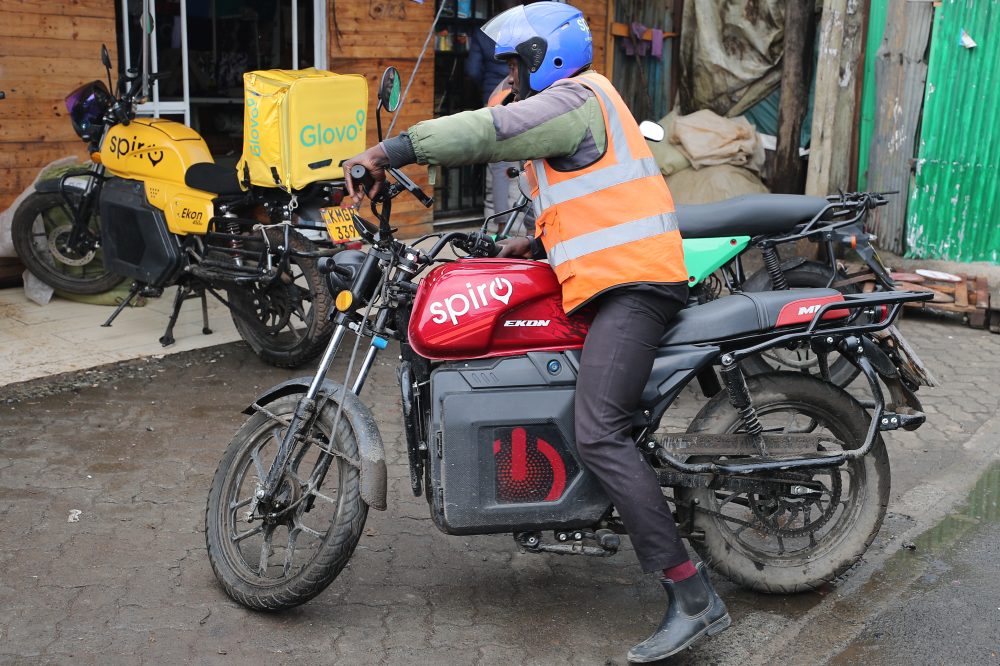

An African electric vehicle company announced Monday it has secured $215 million in equity funding to expand its battery-swapping infrastructure and electric transportation services throughout the continent.
Spiro received backing from institutional investors across Europe and Africa, including Denmark’s Impact Fund, highlighting increased investment interest in Africa’s sustainable transportation and energy industries.
“This past year marked a defining strategic milestone for Spiro,” said Gagan Gupta, founder of Spiro and chair of Equitane. “Across seven active markets, our deployment of 100,000 electric vehicles and 2,500 smart-swap stations has turned sustainable mobility into an affordable, everyday reality.”
According to Gupta, the company’s upcoming growth phase will concentrate on providing transportation options to millions of riders throughout Africa.
The company currently operates across Kenya, Rwanda, Uganda, Togo, Benin, Nigeria and Cameroon. Officials said the fresh capital will help expand the battery-swapping network, bolster local manufacturing and assembly facilities, and speed up market entry into the Democratic Republic of Congo and Ethiopia.
Company representatives did not reveal the valuation associated with this funding round.
The investment arrives as African nations work to decrease reliance on imported fossil fuels, enhance energy independence and upgrade urban transportation systems amid rising fuel costs and increasing demand for affordable mobility solutions.
Lars Bo Bertram, CEO of Impact Fund Denmark, stated the investment demonstrated confidence in Africa’s electric mobility sector.
Electric motorcycles are becoming a significant growth area across Africa, where two-wheeled vehicles serve as the primary form of urban transportation and delivery services in numerous cities.
The company runs manufacturing facilities in Kenya, Rwanda and Uganda, plus operates a battery recycling center in Nigeria.
According to Spiro, riders utilizing its electric motorcycles can reduce daily transportation expenses by up to 40%, potentially saving as much as $2 daily compared to traditional gasoline-powered motorcycles.
The company reported it is also creating solar-powered battery-swapping locations and second-life battery storage solutions.
While Africa’s electric mobility sector remains smaller than those in China and Europe, industry analysts indicate rapid growth as governments implement cleaner transportation policies and startups create business approaches designed for local markets, including battery-swapping networks that minimize charging delays and initial vehicle expenses.