
KABUL, Afghanistan (AP) — Afghan diplomatic officials announced Tuesday that peace negotiations taking place in China between Afghanistan and Pakistan aimed at stopping cross-border violence have shown encouraging progress.
The diplomatic meetings commenced last week in Urumqi, a city in western China, after Beijing extended an invitation to both nations in hopes of resolving the deadly conflict that erupted in February and has claimed hundreds of lives. Pakistan previously declared it was engaged in “open war” with Afghanistan and has conducted aerial bombardments on Afghan territory, including strikes in Kabul.
According to a Tuesday post by the United Nations humanitarian coordination office in Afghanistan, the ongoing violence has forced 94,000 people from their homes, while another 100,000 residents in two Afghan border districts have been completely isolated by the fighting since February began.
The escalating violence has created significant concern among international observers, especially given that extremist groups like al-Qaida and ISIS maintain operations in the contested region.
Afghan Foreign Minister Amir Khan Muttaqi held discussions with China’s ambassador to Afghanistan on Tuesday, as reported by Foreign Ministry deputy spokesman Zia Ahmad Takal on social media. Takal expressed gratitude to Beijing for organizing and facilitating the negotiations, while also acknowledging mediation assistance from Saudi Arabia, Turkey, Qatar and the United Arab Emirates.
“Noting that constructive discussions have taken place so far, FM Muttaqi expressed hope that minor interpretations would not hinder the progress of the negotiations,” Takal wrote.
Official communications about the diplomatic talks have remained limited since mid-level representatives from both countries began meeting on April 1.
Despite the ongoing negotiations, Afghanistan has repeatedly alleged that Pakistan continued cross-border artillery attacks during the talks, resulting in civilian casualties. Pakistani officials have not responded to these accusations.
Pakistan frequently claims that Afghanistan allows militant groups to operate from its territory and launch deadly strikes inside Pakistan, particularly the Pakistani Taliban organization known as Tehrik-e-Taliban Pakistan or TTP. This group maintains ties with but operates separately from the Afghan Taliban, which assumed control of Afghanistan in 2021 after U.S.-led forces withdrew. Afghan authorities reject these allegations.
Pakistani military leadership pledged Tuesday to maintain current anti-terrorism operations until what they described as “militant safe havens” are destroyed and “the use of Afghan territory against Pakistan” ceases.
These statements emerged from a high-level military conference led by Army Chief Field Marshal Asim Munir, according to an official military announcement.
The gathering assessed current domestic and international security conditions. The statement indicated that “terrorist proxies” working for “external sponsors” and their supporters would be tracked down and eliminated “relentlessly and without exception.”
The current violence represents the most intense fighting between the neighboring countries and began when Afghanistan launched retaliatory cross-border operations following Pakistani airstrikes on Afghan soil. These clashes shattered a Qatar-mediated ceasefire agreement from October that had ended earlier fighting which killed dozens of military personnel, civilians and suspected militants.
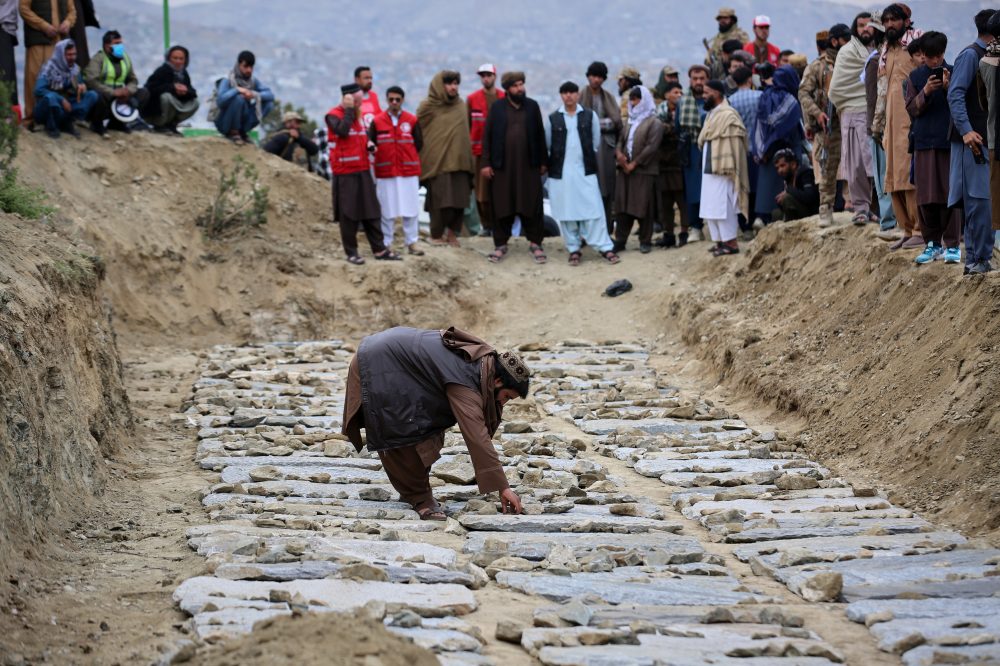
A Pakistani airstrike on March 17 targeted a drug rehabilitation facility in Kabul, with Afghan authorities reporting more than 400 deaths. Pakistan disputed targeting civilians, claiming its operations focused on military installations.