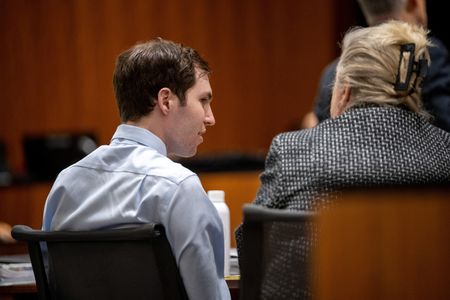

A Utah judge is considering whether to prohibit television cameras and live streaming from the courtroom in the high-profile murder case against Tyler Robinson, who stands accused of killing conservative political activist Charlie Kirk.
Robinson’s defense team argued Friday that allowing media broadcasts creates prejudicial coverage that threatens their client’s constitutional right to receive a fair trial in the aggravated murder case.
Defense attorney Michael Burt presented video evidence showing legal commentators on various news programs making character judgments about Robinson based on his courtroom demeanor, with analysts suggesting his body language demonstrated a lack of remorse and compassion. One commentator went as far as labeling him “a monster.”
Trial consultant Bryan Edelman, testifying for the defense, emphasized the damaging nature of such coverage. “Negative character evidence is some of the most prejudicial pretrial evidence you can have,” Edelman stated. “We don’t need to create a circus-like reality show out of the trial.”
The prosecution is pursuing capital punishment if Robinson is found guilty of Kirk’s September 10 killing.
The 23-year-old defendant, who was enrolled in an electrical training program when the shooting occurred, allegedly fired one shot from a rooftop that fatally wounded Kirk during a public debate with students at Utah Valley University in Orem.
However, Kirk’s surviving spouse Erika Kirk, along with news organizations and state prosecutors, are advocating for continued camera access during court sessions. They contend that transparent broadcasting represents the most effective method to combat false narratives and conspiracy theories circulating about the incident.
Kirk gained recognition for his efforts in encouraging young people to vote, contributing to President Donald Trump’s successful 2024 campaign. His public assassination before thousands of witnesses highlighted the escalating political violence occurring across the nation.
The defense also requested postponement of Robinson’s scheduled mid-May preliminary hearing, where prosecutors must demonstrate probable cause by presenting adequate evidence that a crime took place.
Defense counsel Richard Novak told the court his team has not yet received crucial DNA analysis files required for their expert witnesses to review. He asked for a four-month postponement of the proceedings.
Utah County prosecutor Ryan McBride countered that the DNA materials are unnecessary for establishing probable cause, noting that the state possesses additional evidence to support their case.
District Court Judge Tony Graff indicated he would announce his decisions on both matters at a future hearing.