
TEL AVIV, Israel — A coalition of seventeen humanitarian organizations filed an emergency legal challenge Tuesday with Israel’s Supreme Court, seeking to overturn a pending ban that would shut down their operations in Gaza and other Palestinian territories.
Israeli authorities plan to prohibit 37 humanitarian groups from operating after March 1 due to their refusal to follow newly implemented registration requirements. These regulations, announced in the previous year, mandate that organizations submit employee names and contact details, along with comprehensive information about their funding sources and operational activities. The humanitarian groups consider these demands intrusive and arbitrary, warning that the prohibition would severely impact vital assistance to Gaza’s war-torn population.
The organizations requested an emergency temporary injunction to suspend the ban pending a final court decision, according to their collective statement released Tuesday. Court documents show the Israeli government must provide its response by Wednesday afternoon.
The coalition warned that halting their work would result in “humanitarian collapse and irreparable harm” affecting hundreds of thousands of vulnerable people. They argue the ban breaches Israel’s legal duties as an occupying authority and demonstrates “extreme unreasonableness and lack of proportionality.”
COGAT, Israel’s military agency managing civilian matters in Gaza, maintains that the organizations facing license revocation account for less than 1% of total aid entering the territory. The agency stated that more than 20 organizations will maintain operations after meeting the new regulatory standards.
Government officials directed inquiries about the legal challenge to COGAT, which has not yet provided comment.
Organizations opposing compliance express concerns about how Israel might use their staff’s personal information, highlighting that hundreds of humanitarian workers have died in Israeli military strikes throughout the conflict.
Israeli officials reject claims of deliberately targeting aid organizations. In certain instances, they stated they were pursuing militants who had infiltrated these groups or were posing as humanitarian workers. In other cases, the military later acknowledged mistakes. Israel attributes civilian casualties to Hamas, whose October 7, 2023 assault sparked the current war, noting that Hamas fighters operate within heavily populated civilian areas.
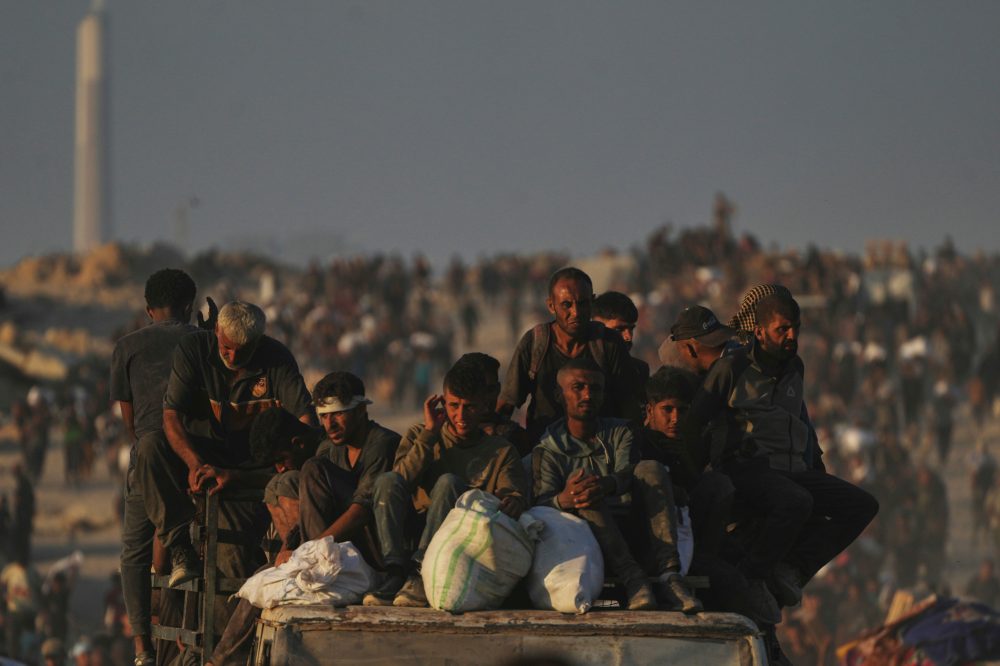
Nearly all of Gaza’s 2 million inhabitants depend on humanitarian organizations for basic necessities including food, water, medical care, housing and other essential services following Israel’s two-year military campaign that devastated much of the region. Hundreds of thousands remain in temporary tent shelters, with reconstruction efforts not yet started despite a fragile ceasefire agreement reached in October.
International charitable organizations serve a crucial function working alongside United Nations agencies and other aid providers, according to Athena Rayburn, who leads AIDA, an umbrella group representing more than 100 organizations active in Palestinian areas. AIDA joined the 17 groups in filing the legal petition.
“This petition could protect this life saving work, and allow for more time to find resolution to this issue,” she said.
The legal filing contends that the new regulations breach international law, asserting that Israel, as an occupying force, must ensure food and medical supplies reach the population. It further argues that Israel lacks authority to close organizations in regions under Palestinian Authority control.
The prohibited organizations include prominent groups such as Doctors Without Borders, the Norwegian Refugee Council, Oxfam and Medical Aid for Palestinians, representing some of the most recognized among more than 100 independent aid groups operating in Gaza.
Doctors Without Borders ranks as the largest medical supply provider after UN agencies and the Red Cross. The organization, commonly known by its French initials MSF, reported being unable to import any supplies — including antibiotics, pain medications, anesthetics and wound care materials — since early January, shortly after the ban announcement.
“Patients with traumatic injuries, people requiring surgery, those with chronic illnesses, and vulnerable groups needing routine primary care are all at increased risk of not receiving the care they need,” said Dr. Adi Nadimpalli of MSF.
MSF maintains essential supply reserves lasting up to three months. While collaborating with the UN and other aid groups to transport supplies into Gaza, Nadimpalli noted pressure on licensed organizations to avoid bringing materials for unregistered groups.
Without adequate supply access, the organization may need to suspend or close its operations, including two Gaza field hospitals, he explained.
The new restrictions have also disrupted the group’s work in the Israeli-occupied West Bank, forcing them to terminate one project and scale back two others.
The UN humanitarian affairs office, known as OCHA, has not responded to questions about potential assistance to banned organizations for aid delivery.
Previously, Israel banned UNRWA, the UN agency for Palestinian refugees and Gaza’s primary aid provider, significantly limiting its operations. Israeli officials accused UNRWA of Hamas infiltration, charges the agency denies while emphasizing its extensive neutrality measures and quick action to remove any identified militants from its workforce.