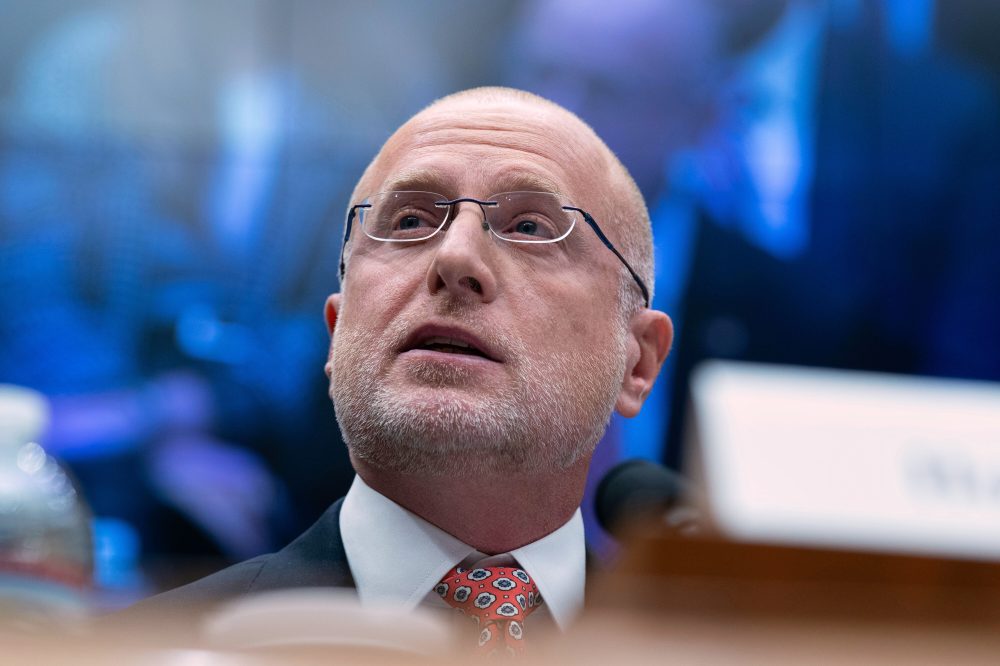

MELBOURNE, Australia — A Google executive appeared before an Australian government inquiry Tuesday, defending YouTube’s decision to keep online a video that falsely portrays a wounded survivor of a deadly antisemitic attack in Sydney as a staged performer wearing theatrical makeup.
Google Australia manager Rachel Lord was called to testify as part of a government investigation into the rise of antisemitism across Australia, which includes scrutiny of a December shooting at a Sydney Hanukkah gathering that claimed 15 lives. Two gunmen — a father and son identified as Sajid and Naveed Akram — are alleged by police to have been motivated by the Islamic State group.
Inquiry officials questioned Lord about a specific complaint filed by shooting survivor Arsen Ostrovsky. In the hours after Ostrovsky was shot on December 14, a photo showing blood flowing from a wound on his head was shared on the platform X. The image quickly became the target of online attacks against him.
Lord confirmed that the decision to leave the video on YouTube had been reviewed at, in her words, “quite senior levels.”
“We have spent a lot of time thinking about where we draw the line and we continue to re-evaluate where we are doing that,” Lord said during her testimony.
To avoid displaying disturbing images publicly, inquiry lawyer Richard Lancaster read from a transcript of the video instead. According to the transcript, four men appear in a split-screen format, describing Ostrovsky’s bleeding head as looking “very crisis actor-ish” and referencing “makeup.” The men also label him an “intelligence asset” who holds a “degree in theater.”
The video further identifies Ostrovsky as a Zionist and asserts that the massacre itself was a “false flag operation” — a claim with no factual basis.
Lancaster pressed Lord on the matter, telling her that YouTube’s choice to leave the video up revealed a “really serious deficiency” in the platform’s hate speech policies. Lord responded by saying she appreciated Lancaster’s “feedback.”
Lord also noted that YouTube had communicated with Australia’s online safety regulator just three days after the massacre, stating the platform was “focused on ensuring Australians and all users around the world have access to high quality information about the tragic events.”
Ostrovsky himself testified before the inquiry last month, describing a sustained campaign of online hate, abuse, vilification, and AI-generated manipulation he has endured since sustaining the minor head wound. The inquiry was also shown an AI-created image depicting Ostrovsky appearing to laugh while someone applied fake blood to his head.