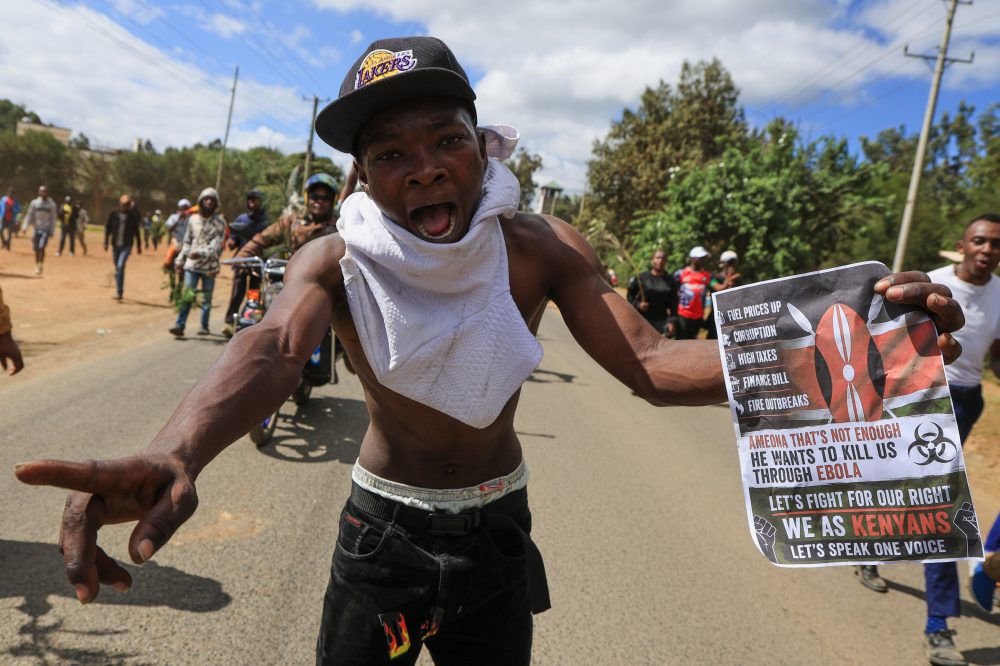

NAIROBI, Kenya — Large crowds of young demonstrators gathered Monday in the central Kenyan town of Nanyuki to voice opposition to plans for establishing an Ebola quarantine facility for American citizens at the Laikipia Air Base.
The demonstrations occurred just two days following a Kenya High Court decision to temporarily halt the facility’s creation and block any incoming foreign patients while reviewing a legal challenge brought by the Law Society of Kenya and a constitutional watchdog organization.
Both groups pointed to Kenya’s vulnerable healthcare infrastructure as justification for why foreign Ebola patients should not receive quarantine treatment within the country’s borders.
American officials announced Thursday their intention to transport Americans who have been exposed to Ebola overseas to this new Kenyan facility rather than bringing them back to the United States. Speaking anonymously about the administration’s strategy, these officials indicated the Laikipia Air Base location would become operational by Friday with capacity for 50 quarantine patients.
During Monday’s demonstration, large numbers of young people gathered at the air base entrance, shouting slogans opposing Ebola-related activities.
Health Minister Aden Duale stated Sunday that the quarantine facility was designed for “everyone” rather than being limited to U.S. citizens exclusively.
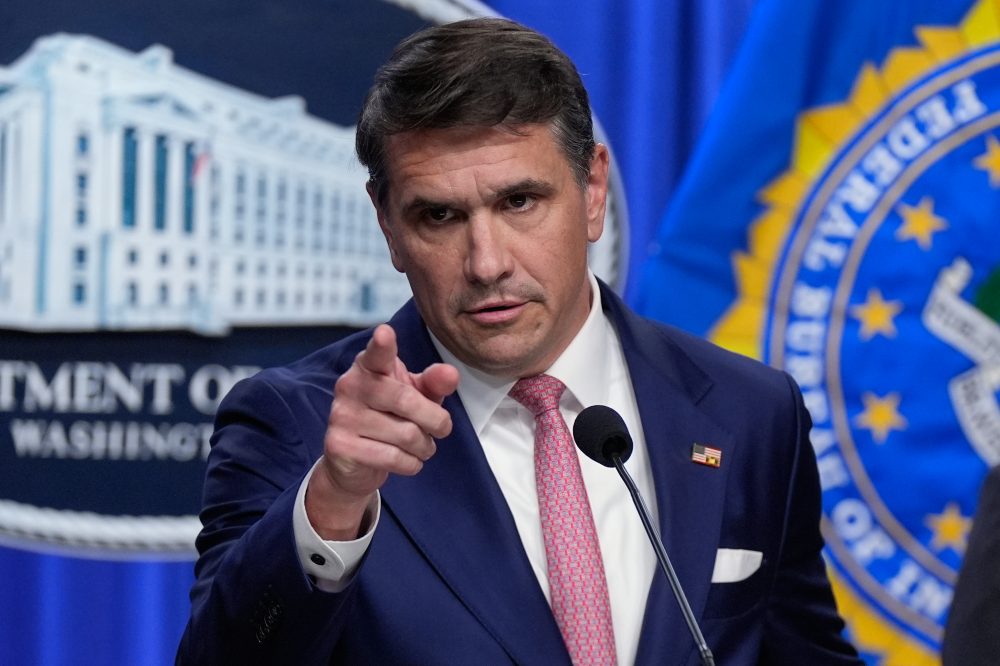
Secretary of State Marco Rubio announced in a statement that the U.S. government plans to provide $13.5 million to support Kenya’s Ebola preparedness initiatives.
Regional officials, including Laikipia Governor Joshua Irungu, have expressed their opposition to creating an Ebola quarantine center to media representatives.
“This will expose our people to Ebola,” he stated, noting that numerous local residents are employed at the air base and face potential exposure risks.
While Kenya has recorded no Ebola infections, nearby Uganda has documented nine cases and shut down its border with Congo.
Congo has reported a minimum of 282 confirmed infections along with more than 1,000 suspected instances of the Bundibugyo virus, the current Ebola strain, for which no authorized treatment or vaccination exists.