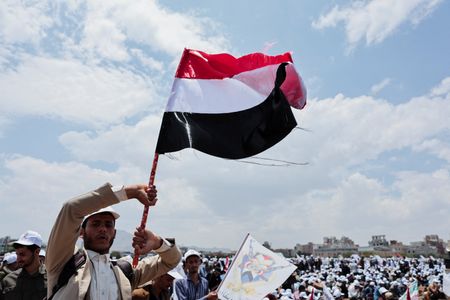

Yemen appears to be sliding back toward full-scale war, with military forces on both sides massing along front lines and diplomatic efforts stalling, according to Yemeni officials, Western diplomats, and regional analysts.
Forces loyal to the Houthi movement and those aligned with the Yemeni government have recently reinforced positions along a front line that stretches across the Houthi-controlled northwest of the country — running from the Red Sea coast all the way to the Saudi border — according to Yemeni military officials and analysts.
Mediation efforts led by the United Nations and Oman, with Pakistan also recently joining those talks, have pressed on. However, one Western diplomat indicated that hope for a negotiated solution is fading.
Saudi Arabia had worked to keep the peace in Yemen since agreeing to a ceasefire with the Houthis in 2022, halting a war that claimed hundreds of thousands of lives through combat and famine and sparked widespread international condemnation.
That restraint may now be wavering. The Houthis struck a Saudi airport last week and announced a naval blockade of the kingdom, backing it up with two attacks on Saudi oil tankers. Diplomats, analysts, and Yemeni officials say those moves may be shifting Saudi Arabia’s thinking about renewed military action.
The Houthis claimed the airport strike was retaliation for a Saudi attack on an airport under their control, and said the blockade was a response to what they described as a Saudi siege on Yemen — a characterization Saudi Arabia has rejected.
Yemeni analyst Baraa Shiban, an associate fellow at the Royal United Services Institute think tank in Britain, offered a stark assessment: “Since 2022, these are the most serious preparations for a conflict I’ve seen.”
The Saudi government media office, Yemen’s information minister, and a Houthi spokesperson all declined to respond to requests for comment.
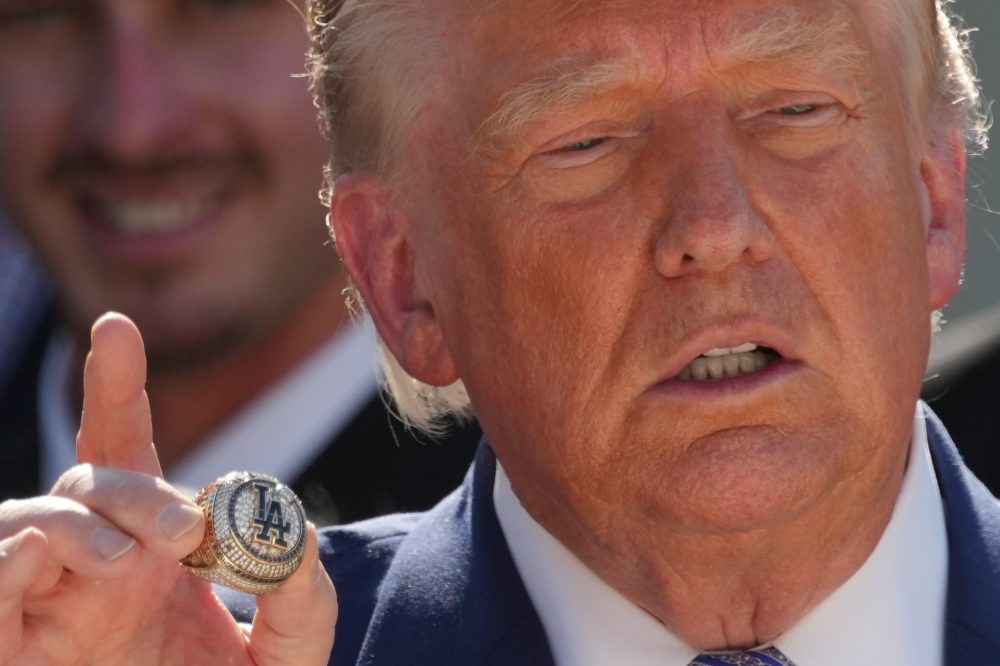
U.S. President Donald Trump said Thursday that he would hold Iran responsible for any Houthi attacks.
UN special envoy for Yemen Hans Grundberg told Reuters he had just completed two visits to the Gulf state of Oman, with a stop in Saudi Arabia in between, in an effort “to discuss a way forward towards de-escalation and greater stability.”
“Recent events have taken Yemen in the opposite direction, and that is a setback for Yemenis above all. My efforts continue, and the United Nations always stands ready to support the parties in reversing course and putting the interests of Yemenis first,” Grundberg added.
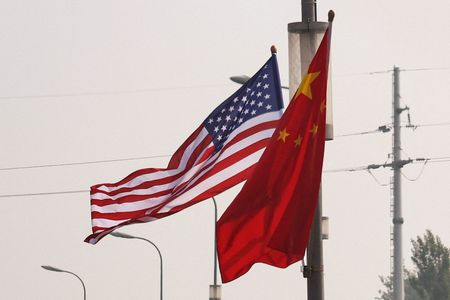
The escalating tensions come two weeks after the collapse of a temporary truce intended to bring the Iran war to a close. That conflict has largely undone a 2023 diplomatic thaw between Saudi Arabia and Iran that had eased regional hostilities and allowed Saudi Crown Prince Mohammed bin Salman to concentrate on his Vision 2030 development agenda — a sweeping plan that includes massive infrastructure investments and the hosting of major international events.
While the Houthis have largely kept out of the Iran conflict, analysts and officials say the group and its Iranian sponsors now see an opportunity to apply pressure on both Saudi Arabia and the United States.
The naval blockade on Saudi shipping could disrupt millions of barrels of oil per day moving through a pipeline to Saudi Arabia’s Red Sea coast — a route that has been used to bypass Iran’s near-complete blockade of the Strait of Hormuz.
Shiban said the Houthis may also be seeking financial and political leverage over Riyadh, as well as expanded control over the Bab al-Mandeb strait — a critical waterway linking the Red Sea to the Indian Ocean. A senior Houthi official said Bab al-Mandeb remains open to ships not flying the Saudi flag.
The recent provocations stand in sharp contrast to years of Saudi concessions to the Houthis, including granting them use of Hodeidah port and reversing a 2024 plan to cut off international banking in areas under their control.
Farea al-Muslimi, a research fellow at the Chatham House think tank’s Middle East and North Africa program, said frustration is growing in Riyadh. “There is increasingly a feeling that peace with the Houthis is unattainable, and that a delayed war might prove costlier still, especially with Saudi Arabia set to host Expo 2030 and the (soccer) World Cup in 2034,” he said. “It’s risky, but it could help clear the way,” he added, noting that U.S. backing would be essential.
The geopolitical environment has also shifted in Saudi Arabia’s favor since it first entered the conflict in 2015 leading an Arab coalition, when civilian casualties from airstrikes drew heavy pressure from Washington and European governments. Since then, Houthi attacks on Israel and international shipping following Hamas’s October 7, 2023 assault on Israel — combined with the detention of dozens of UN staff — have turned global opinion against the Houthi movement, analysts and Yemeni officials say.
Should Saudi Arabia intervene militarily again, Shiban said, “there will be much, much less scrutiny.”