
World Cup spectators face minimal danger from Ebola exposure, according to a global health expert from King’s College London, though increased health screenings and travel limitations may create operational difficulties.
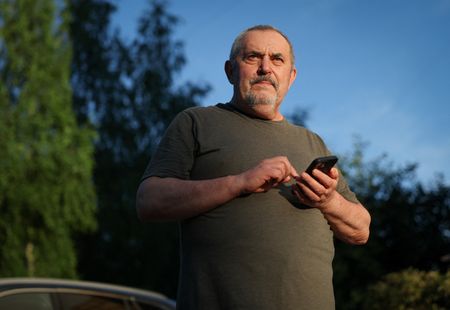
Dr Oliver Johnson, who specializes in global health at the London university, assessed the threat level as the expanded 48-nation tournament prepares to begin across the United States, Canada and Mexico from June 11 through July 19.
The Democratic Republic of Congo is currently battling an Ebola outbreak in its eastern region, with approximately 600 suspected infections and over 130 fatalities recorded. This situation prompted the World Health Organization to issue a public health emergency declaration of international concern.
The outbreak has already disrupted the DR Congo national team’s tournament preparations, forcing them to cancel pre-competition activities in Kinshasa and move their planning operations to Belgium instead.
American officials have implemented entry restrictions preventing non-U.S. passport holders who visited DR Congo, Uganda or South Sudan within the previous 21 days from entering the country, requiring Congo-based personnel to leave ahead of schedule.
The team plans to reach the U.S. on June 10 or 11 and will establish their base in Houston.
“If you are a casual visitor to the World Cup from around the world, I think there is a very low risk that you would be at risk of Ebola,” Johnson explained to Reuters. “Ebola has never really caused transmission in high-income country settings, where there have been very occasional cases.”
“That is because it is not airborne. You had to normally have direct contact with someone who is quite sick, and there is usually good contact tracing. If a case does occur, it is identified quickly,” he continued.
However, Johnson noted the outbreak may still create wider consequences.
American authorities have implemented additional screening procedures at Washington Dulles for travelers who recently visited affected nations, while health organizations are coordinating with FIFA and local authorities to address potential dangers.
“It will affect things like airport queues and screening, which will slow things down,” Johnson explained. “It is going to add a little extra stress and it’s going to cost money to the U.S. to try and organise.”
“I think the other possibility is that we hope this outbreak is not going to spread beyond DR Congo…. That could cause a knock-on effect of travel bans or extra screening, and it could happen quite last minute,” he added.
Tournament attendees should maintain standard safety measures including proper hand washing and staying away from close contact when feeling ill, Johnson recommended. He encouraged fans to show respect for others and prevent discrimination, helping maintain the World Cup’s welcoming atmosphere.
DR Congo begins their tournament schedule against Portugal in Houston, followed by matches against Colombia in Guadalajara and Uzbekistan in Atlanta.