
A West African nation has permanently terminated a controversial vaccine research project that received $1.6 million in funding during the Trump presidency, according to the country’s top diplomat.
Guinea-Bissau’s Foreign Minister Joao Bernardo Vieira announced Tuesday that his government has definitively ended the study, which was designed to examine potential side effects of hepatitis B vaccination, including exploring connections to autism.
“It’s not going to happen, period,” Vieira stated during an interview, explaining that the decision came after widespread criticism from both the scientific community and U.S. lawmakers.
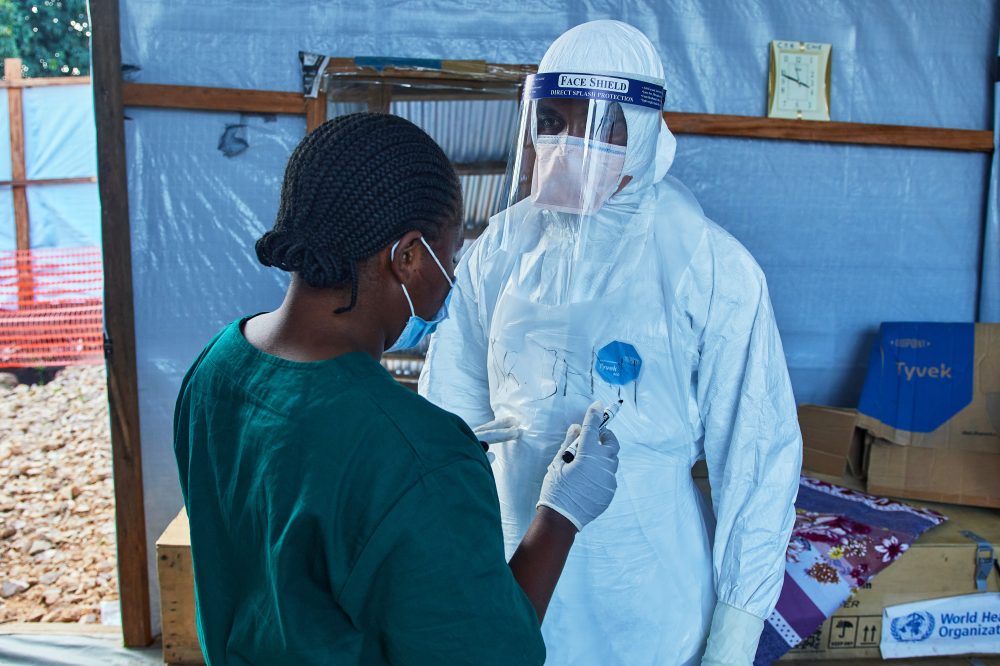
The research proposal had generated significant controversy among medical experts and international health organizations. The World Health Organization’s Director-General Tedros Ghebreyesus declared the study unethical, particularly because the trial design meant only half of participating newborns would receive the hepatitis B vaccine immediately after birth.
Guinea-Bissau, among the most economically disadvantaged nations in West Africa, experiences elevated rates of hepatitis B infection. The country had initially paused the research last month while conducting an ethical evaluation.
Opposition to the study intensified because critics argued it was being used to validate theories connecting vaccines to autism – claims frequently promoted by current U.S. Health Secretary Robert F. Kennedy Jr., despite contradictory scientific evidence.
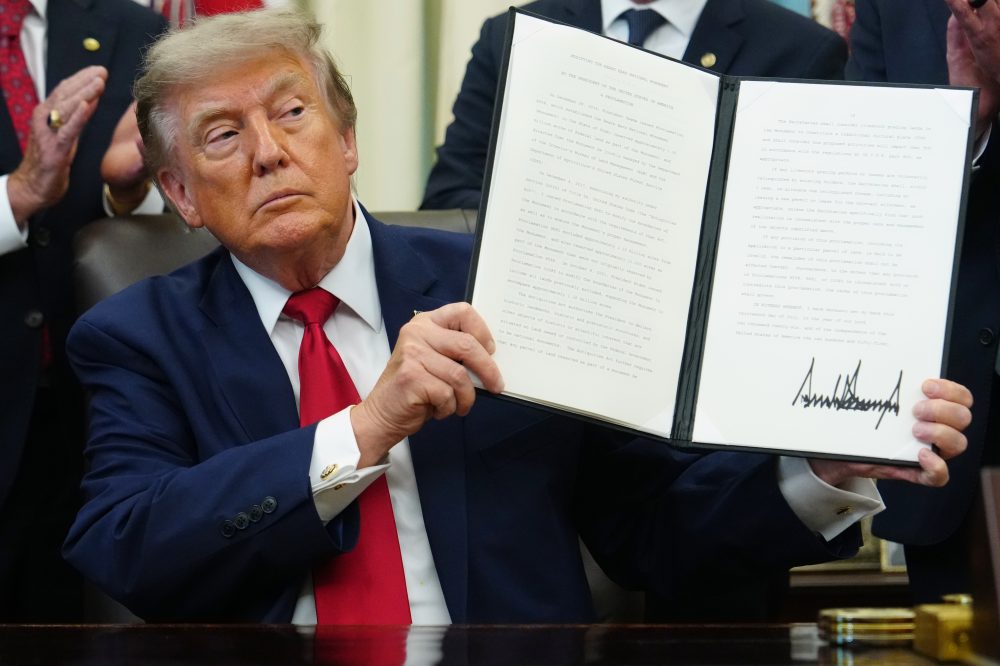
The Centers for Disease Control and Prevention had authorized the $1.6 million grant following Kennedy’s decision to eliminate the agency’s guidance recommending hepatitis B vaccination for all American newborns.
Medical data from Johns Hopkins University indicates that approximately 90% of infants exposed to hepatitis B during birth or their first year develop chronic infections, with 15% to 25% eventually dying prematurely from liver complications or cancer.
The study was being conducted by researchers from the Bandim Health Project, operated by the University of Southern Denmark and based in Guinea-Bissau. The research team planned to enroll 14,000 newborns to investigate what they termed “non-specific effects,” including skin conditions and neurodevelopmental issues such as autism.
Currently, Guinea-Bissau administers the hepatitis B vaccine at six weeks of age, by which time many babies born to infected mothers have already contracted the virus. The nation plans to begin birth-dose vaccination in 2028.
The proposed trial would have given half the participating infants the vaccine at birth, while the remaining half would receive it at the current six-week timeline.
Frederik Schaltz-Buchholzer, who was leading the investigation, expressed disappointment that the discussion had become politically charged rather than focusing on scientific merit.
“Everyone will lose if this trial is halted but, especially, confidence in vaccines and health research will suffer greatly,” Schaltz-Buchholzer commented, adding that his team remains hopeful a revised study proposal might gain approval in the future.
The Bandim project has maintained operations in Guinea-Bissau for multiple decades, with researchers stating their mission involves comprehensively understanding vaccines’ complete effects, both beneficial and harmful.
Kennedy has referenced Bandim research findings to support his decision to reduce U.S. funding for Gavi, an organization that facilitates vaccine purchases for the world’s most impoverished nations.
CDC representatives did not provide comments when contacted about the study’s termination.