
Two West African nations responsible for producing half of the world’s cocoa supply are facing a severe financial crisis that threatens both local farmers and the global chocolate industry.
Ivory Coast and Ghana are experiencing significant difficulties selling their cocoa beans and compensating farmers this year, as global harvests have increased while cocoa prices have dropped dramatically and chocolate manufacturers have reduced their demand for the key ingredient.
The crisis stems from how these nations manage their cocoa trade. Unlike free market systems, both countries operate through government-appointed regulatory bodies that pre-sell approximately 80% of their cocoa beans to international traders one year ahead of harvest. Based on these advance sales, officials establish a guaranteed price for farmers when the growing season begins each October.
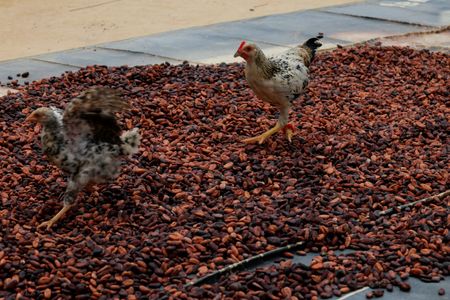
The system works through a chain where farmers sell their harvested beans to local collectors at the predetermined price. These collectors then transfer the beans to licensed buyers, who either sell directly to international traders or work through local intermediaries.
This October, Ivory Coast established its main crop price at approximately $5,000 per metric ton, while Ghana set theirs at nearly $5,300 per metric ton. However, global cocoa futures have plummeted to roughly $3,100 per ton, representing a 50% decline in value this year alone.
This dramatic price difference has created substantial losses for international cocoa traders who purchased beans from these countries at the higher rates but must sell them at current market prices. Consequently, most traders have ceased purchasing from Ivory Coast and Ghana entirely.
The impact on farmers has been devastating. Ghanaian farmers reported last month that they haven’t received payment for their beans since November, while industry sources indicate Ivorian farmers face similar circumstances. Unsold cocoa inventory continues to accumulate throughout Ivory Coast.
Both governments have implemented emergency measures to address the crisis. Ivory Coast launched a program late last month to purchase 100,000 tons of unsold main crop cocoa directly from farmers, investing half a billion dollars to provide immediate cash relief.
Ghana’s cocoa regulatory authority took action on February 12 by reducing the guaranteed farmer price by nearly one-third to around $3,580 per ton, after determining the country held approximately 50,000 tons of unsold cocoa inventory.
Ivory Coast plans to implement similar price reductions starting March 1, lowering their guaranteed farmer price by roughly one-third to encourage international sales. Government officials announced they will reveal new farmer pricing by the end of February, one month earlier than their typical schedule.
The global price collapse follows a period where cocoa prices nearly tripled to record levels in 2024 before losing approximately three-quarters of their value. Several factors contributed to this dramatic decline.
High prices led chocolate manufacturers to reduce product sizes, increase non-cocoa ingredients like wafers and nuts, and replace cocoa butter with alternative fats, resulting in decreased demand. Simultaneously, favorable weather conditions produced larger, healthier crops, creating a global market surplus of approximately 300,000 to 400,000 tons this season, according to international traders.
Much of this surplus exists in Ivory Coast and Ghana, which lack the financial resources and storage capacity that international traders and processors possess for warehousing beans long-term.
The economic implications are substantial for both nations. Cocoa represents nearly 40% of Ivory Coast’s export revenue and approximately 15% of Ghana’s export income, making it a crucial source of foreign currency for these West African countries.
Ghana faces additional challenges as it continues recovering from its most severe economic crisis in decades, having defaulted on and restructured much of its $30 billion international debt. This financial instability has made obtaining financing for cocoa purchases significantly more difficult and expensive for Ghana’s regulatory authority.
Nearly 2 million cocoa farmers and their dependents in both countries, most living below the poverty line, depend on chocolate ingredient production for their survival. The crisis directly threatens their livelihoods and economic stability.
Industry experts note that there’s typically a one-year delay between cocoa futures market prices and any resulting impact on chocolate prices for retail consumers.