
WASHINGTON — Weekly unemployment benefit applications across the United States held steady last week, maintaining the same level as the prior week and signaling that job cuts continue at historically minimal rates.
Applications for unemployment assistance during the week that concluded February 28 remained at 213,000, matching the previous week’s total, according to Thursday’s Labor Department data. Economic experts polled by FactSet had predicted 215,000 new claims would be filed.
Weekly unemployment applications serve as an indicator of layoff activity nationwide and provide near real-time insight into employment market conditions.
Earlier this month, Labor Department figures showed American businesses created an unexpectedly robust 130,000 positions in January while the jobless rate dropped from 4.4% to 4.3%. Nevertheless, government adjustments slashed 2024-2025 employment numbers by hundreds of thousands, bringing last year’s job creation total down to merely 181,000. This represents roughly one-third of the initially reported 584,000 and marks the poorest performance since 2020’s pandemic year.
February employment statistics will be released by the government on Friday.
Although weekly job cuts have stayed within a historically modest range of 200,000 to 250,000 over recent years, several prominent corporations have declared workforce reductions lately, including UPS, Amazon, Dow and the Washington Post in recent weeks.
The Labor Department also disclosed recently that available positions dropped in December to their lowest point in over five years.
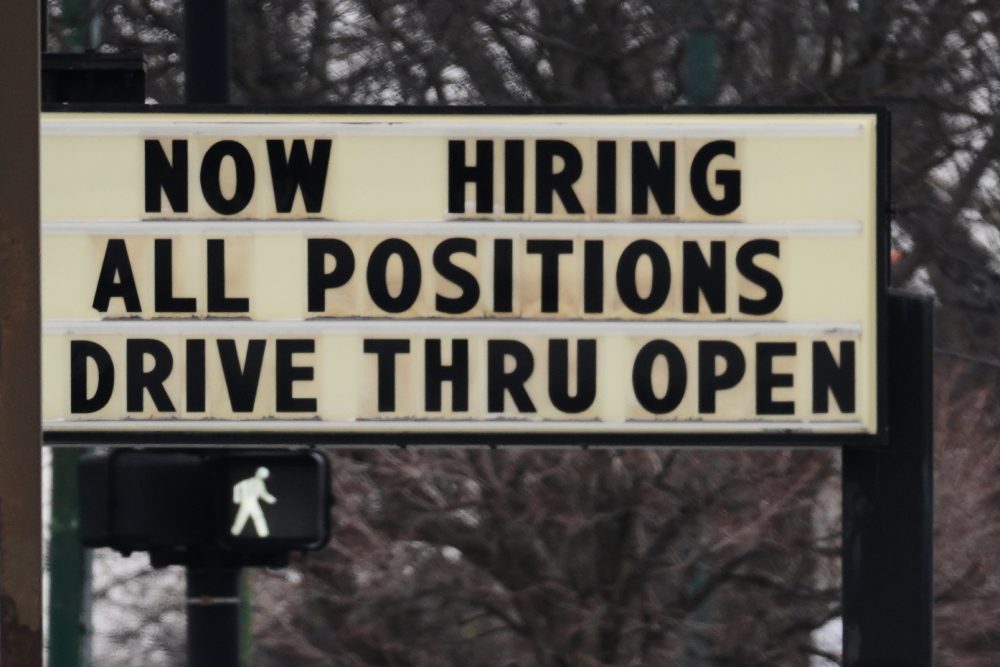
Currently, America’s employment landscape appears trapped in what economic analysts describe as a “low-hire, low-fire” condition that has maintained unemployment at historically minimal levels while making it difficult for jobless individuals to secure new employment.
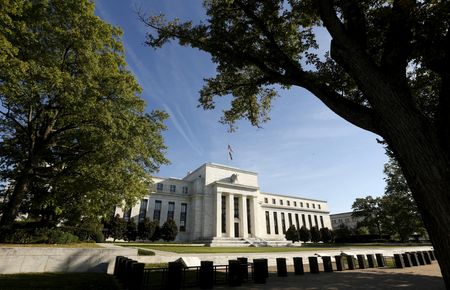
Information from the past year has generally shown a job market where recruitment has clearly decelerated, hampered by uncertainty driven by President Donald Trump’s tariffs and the continuing impact of elevated interest rates the Federal Reserve implemented in 2022 and 2023 to control pandemic-related inflation spikes.
Economic experts remain divided on whether January’s better-than-anticipated job growth represents an isolated occurrence or potentially signals the beginning of employment market recovery, which might prompt the Fed to postpone additional reductions to its benchmark interest rate.
Certain Fed officials have specifically contended that last year’s sluggish hiring demonstrates that borrowing expenses are hampering growth and discouraging business expansion. Consistent improvement in hiring could challenge this perspective.
Thursday’s Labor Department data revealed that the four-week rolling average of unemployment claims, which eliminates some weekly fluctuations, decreased by 4,750 to 215,750.
The overall count of Americans seeking jobless benefits for the prior week ending February 21 increased by 46,000 to 1.87 million, according to government figures.